|
||||
|
||||
 |

May 17 - June 3, 2026
|
|
Another summer, another Japan tour! Though it's actually being changed up a bit this time. Instead of doing a game studio tour with another professor, I'm running a media and culture tour on my own. The reason being that my usual partner is working to prep some things for next year's game studio tour, during which we're hoping to visit a different part of Japan. Anyway, the current idea is to alternate the tour tours from year to year. There's a few reasons for that, but you don't need all the details. The majority of this tour is the same as previous years, but instead of game studio visits, there's a few new things. As usual, I'll be glossing over the sights and locations that I've written a lot about in the past.
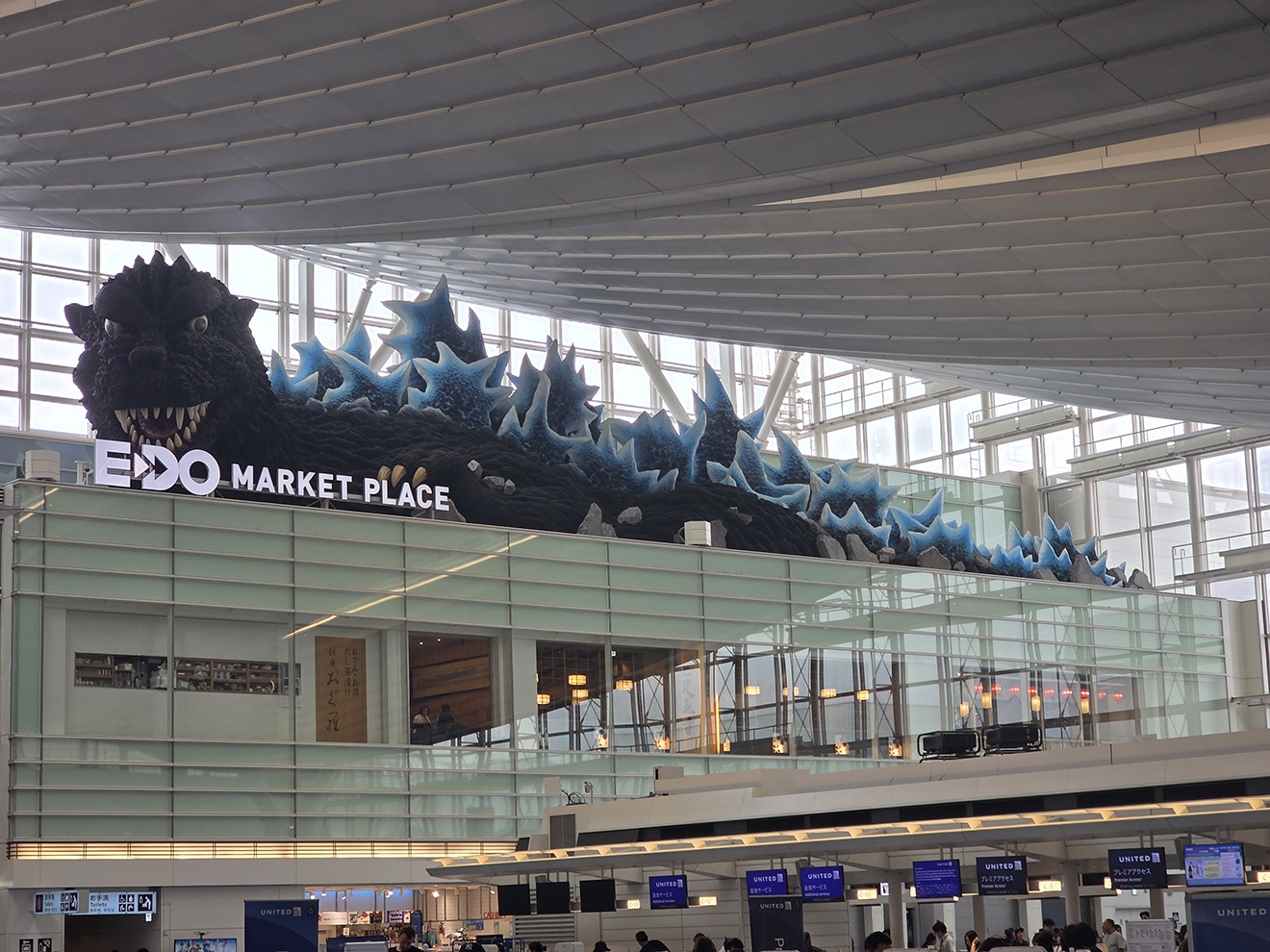
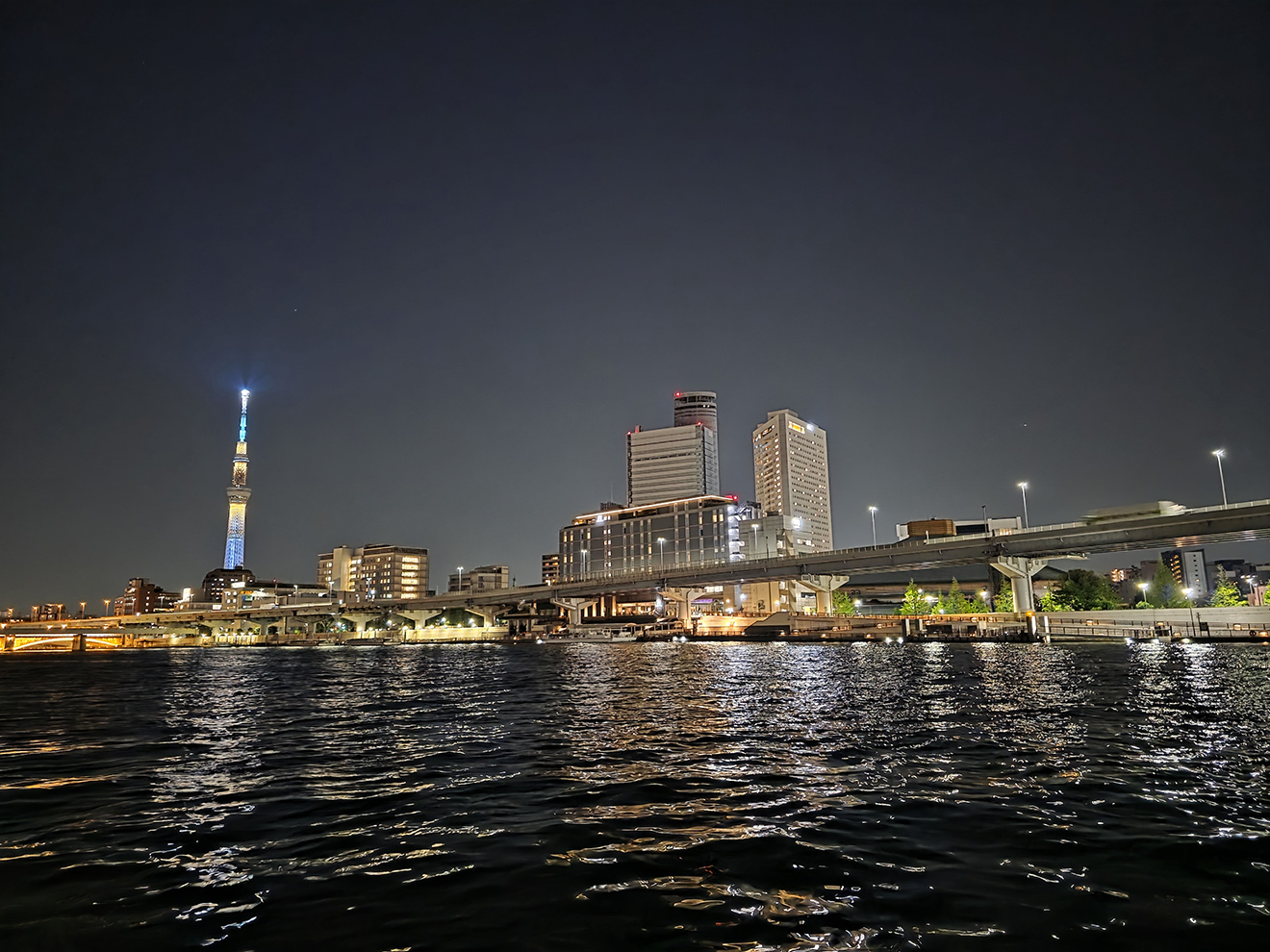
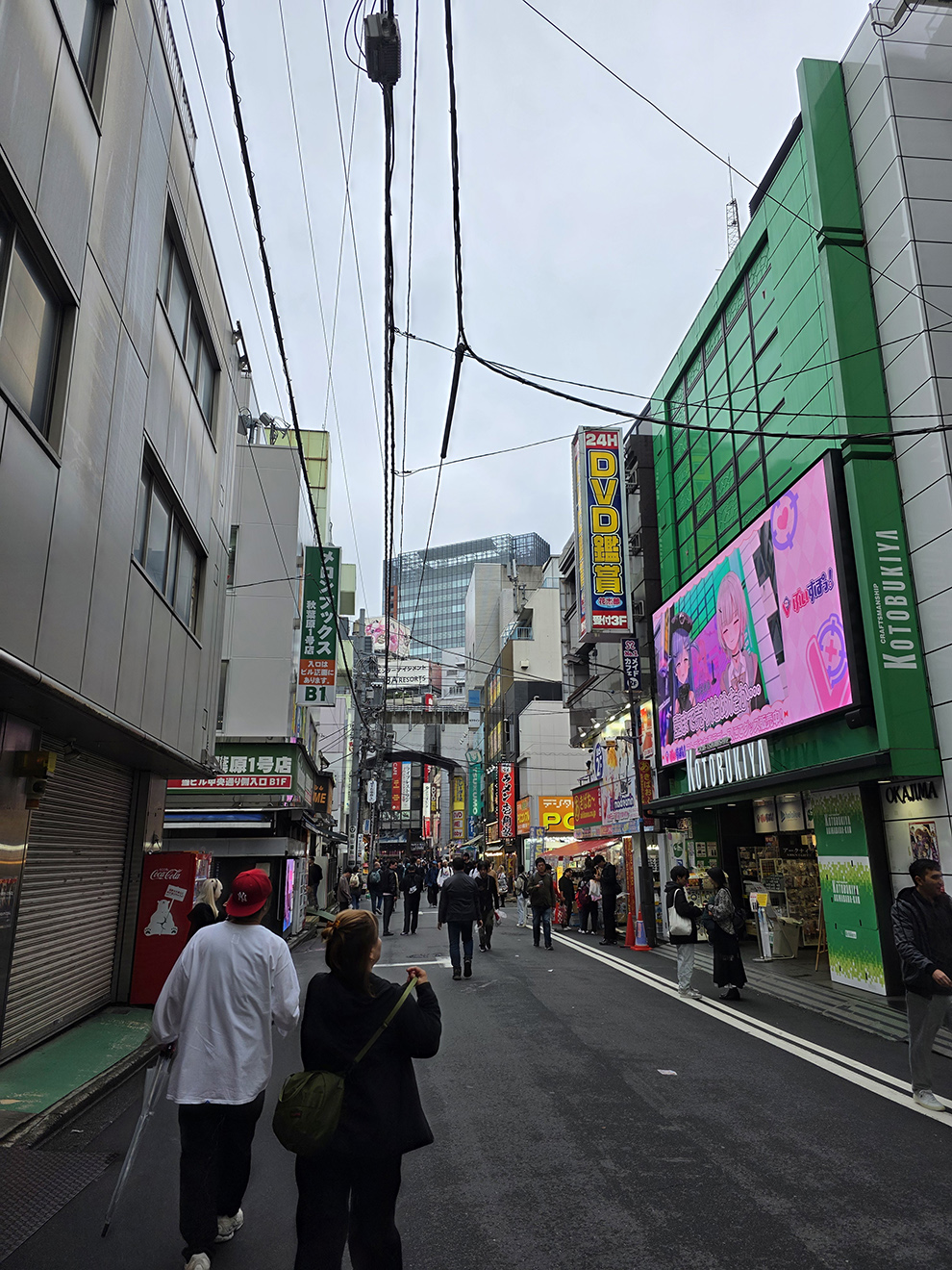
I was back on ANA this time, and had a pretty smooth flight. No real complications with immigration or anything either. After checking into the regular Tokyo hotel we use for the tours, I hopped over to Akihabara to check a couple things and get dinner at (where else) the Yodobashi Camera Food Court. I didn't want to stay up too late, but I still had enough energy to walk back along the Sumida River.
Random Japan Comment: Flying With Portable Chargers
There's a new regulation regarding flights inside and into Japan. Specially, any portable chargers / battery packs need to be kept under your seat (not in a checked bag or the overhead compartment) and you're not allowed to use them on the flight. The reason being that there were a couple cases recently of portable chargers starting fires on planes. Overkill? Maybe. Though when it comes to flying, it's always best to be safe. That said, it's not like portable chargers regularly start fires either. Anyway, so long as you're aware of the rule, it's not really a big deal, especially if you have a working power socket in your seat on the plane to charge devices (I, unfortunately, did not).
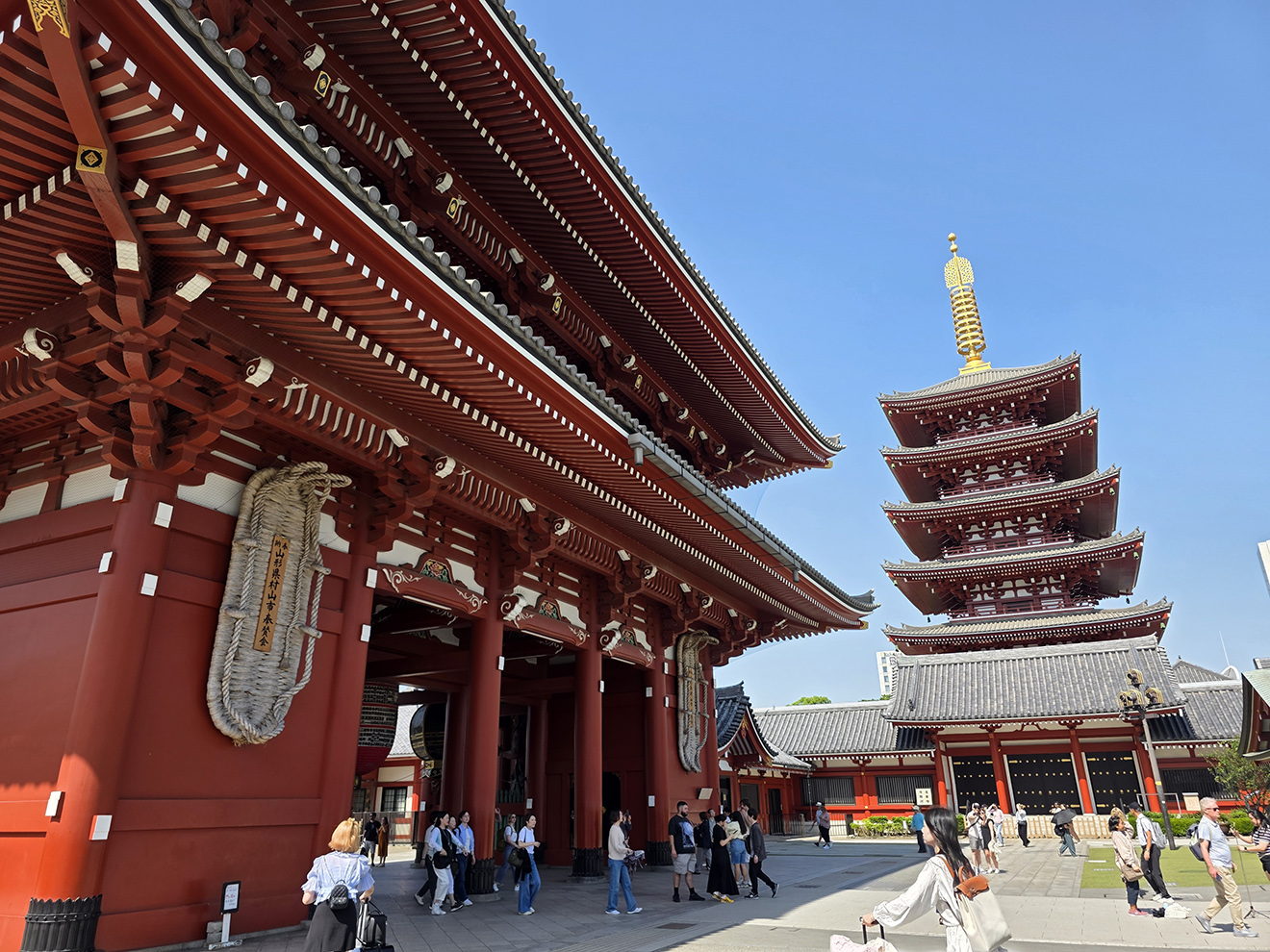
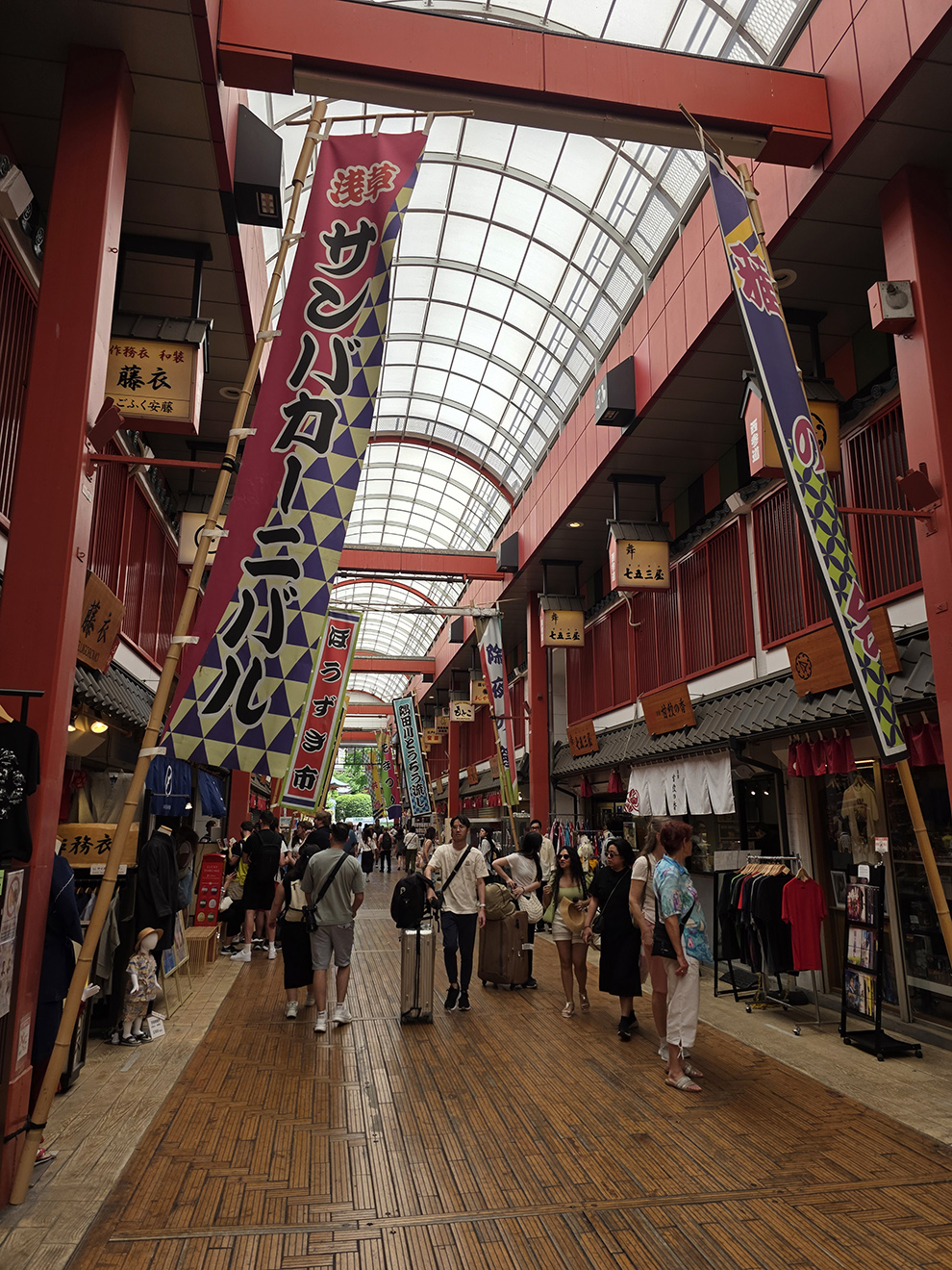
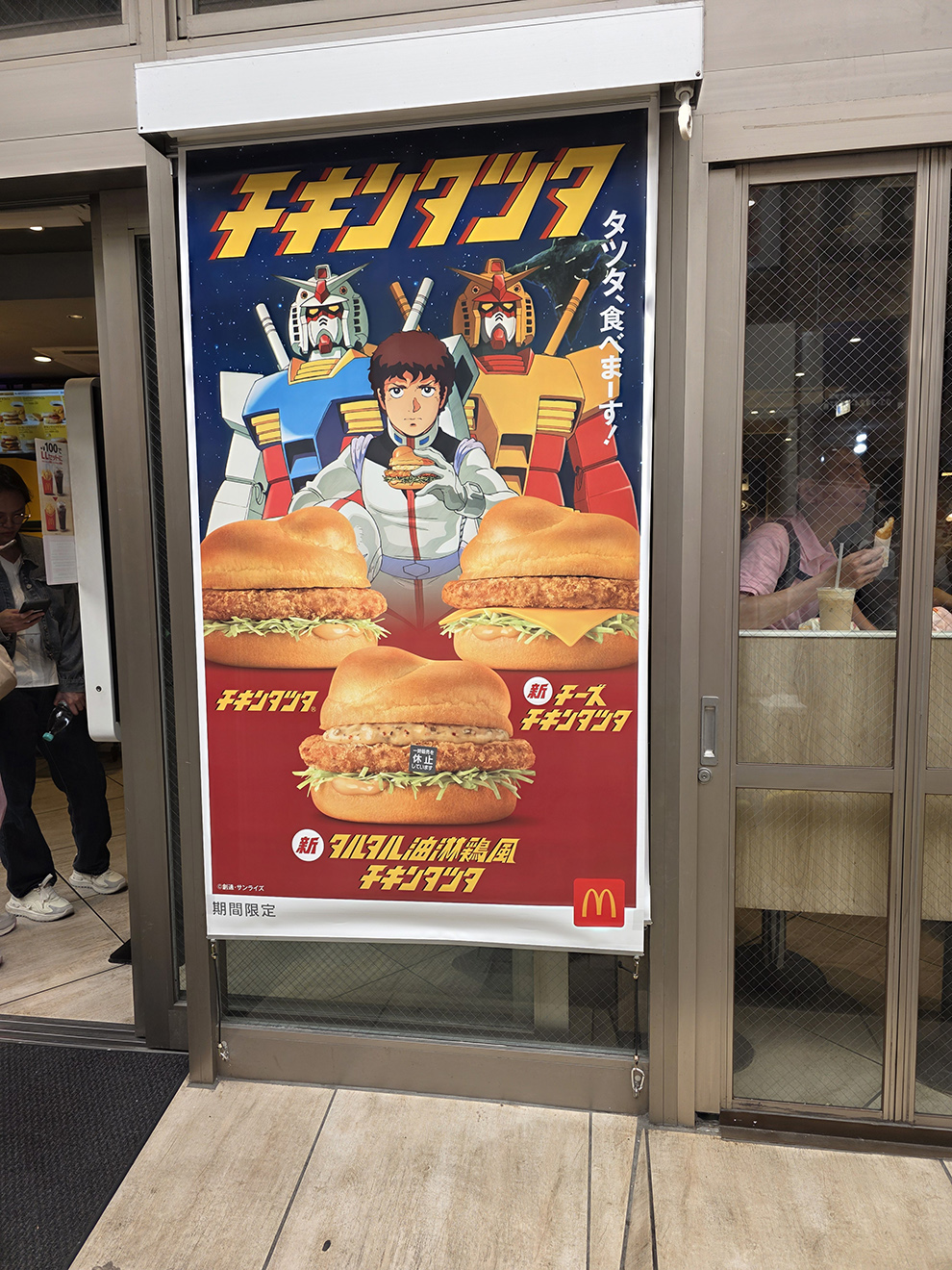
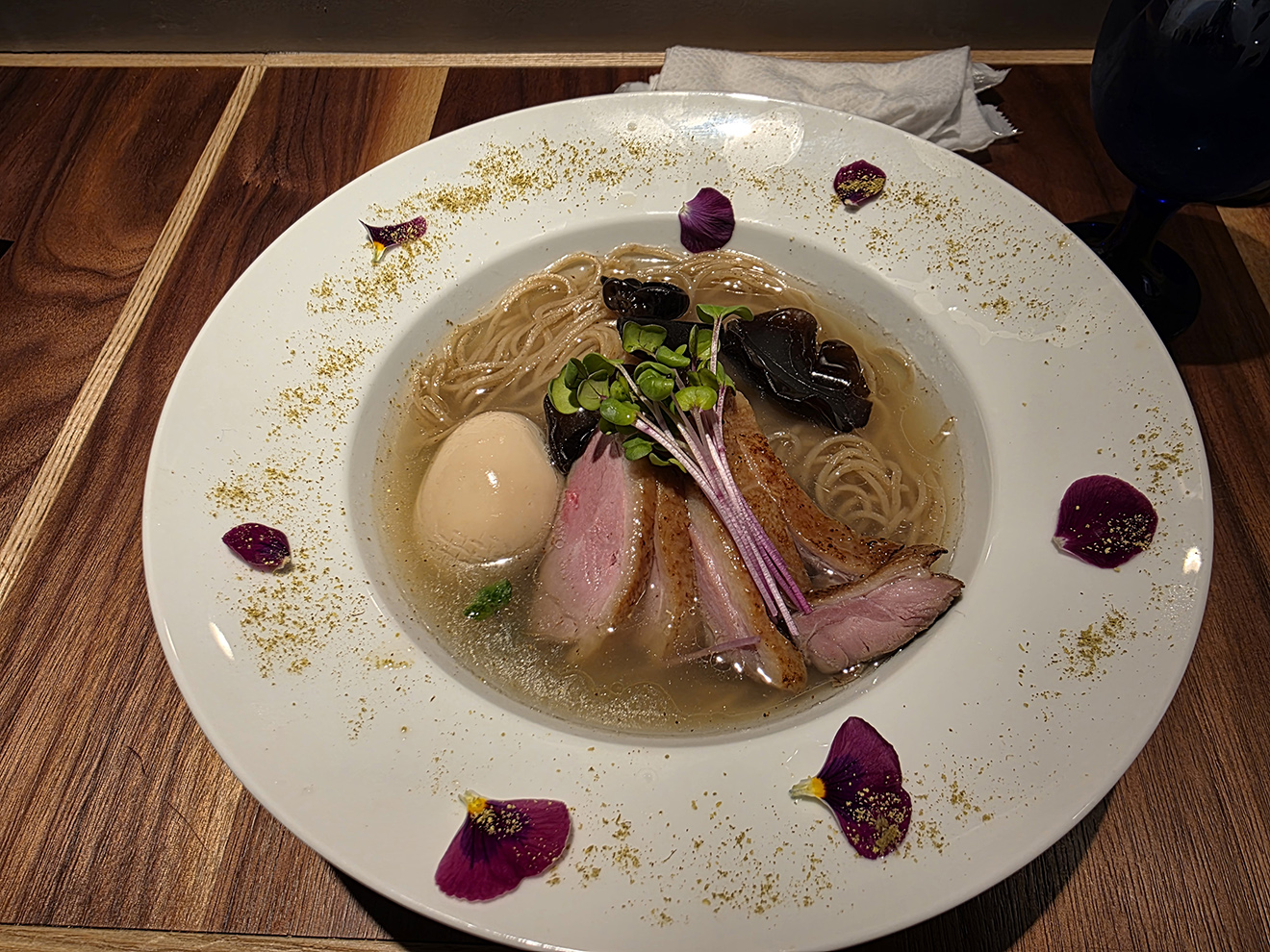
After lunch it was time for work. I had to meet with a representative from the travel company to pick up tickets and such for the tour then head to the airport to help meet and escort students to the hotel. Fortunately, everyone got in ok without any real issues and, after a nice welcome dinner (hot pot, like last year), I headed back to get some rest and prepare for our first full day of activities.
Random Japan Comment: Japan and Foreigners
If you follow Japan news, there's been a lot lately about a rise in anti immigration attitudes among the Japanese. It's a long, complicated subject that I don't have the time to fully address, but to briefly summarize, Japan's new and very popular prime minister has been pushing to put more restrictions on immigration into Japan. Primarily illegal immigration, though she's added some new rules and such for legal immigrants as well. These moves are widely supported by the Japanese public, especially given that certain immigrant groups have been causing a lot of trouble lately (starting prior to the new laws, not because of them). And there was already a bit of backlash against foreign tourists going back a year or two.
So in light of that, what's it like as a foreign tourist in Japan today? It's fine. Honestly, I have not noticed any difference in how I or my students are treated, looked at, or the like. So what about the news stories? Well, first off, the internet has a tendency to exaggerate things. Secondly though, and most importantly, not only am I and my students not part of the specific groups that have been causing trouble, but we know how to behave. Japan's main issue with foreign tourists and immigrants is when they (often deliberately) cause trouble and disruption in daily life. This includes things like demonstrations, law breaking, disregard for Japanese culture, extreme behavior, and the like. So long as foreigners behave politely, don't cause problems, and are willing to work with (rather than against) Japanese culture and traditions (remember, you're in Japan, not your home country) Japanese people are generally just fine with them.
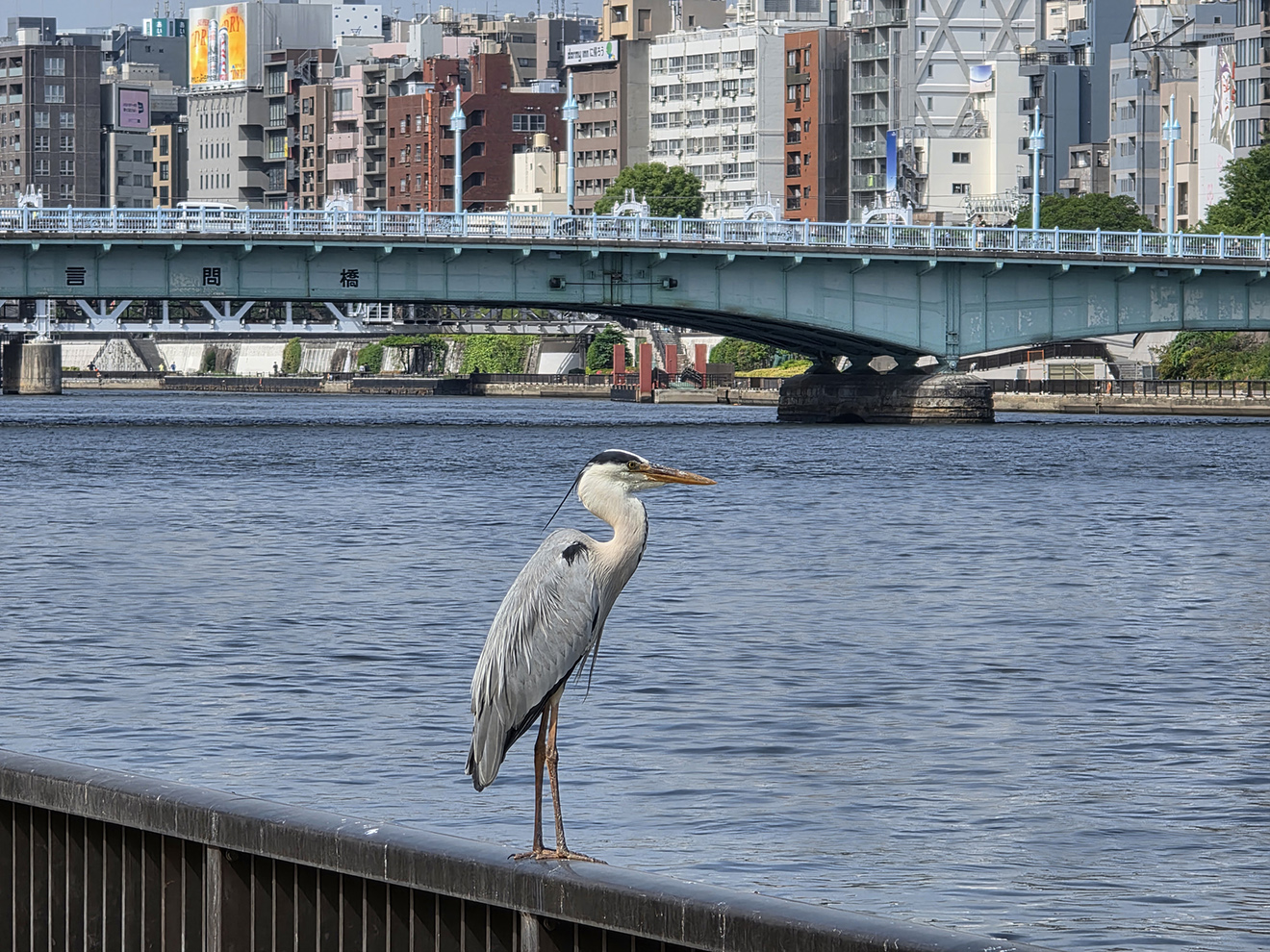
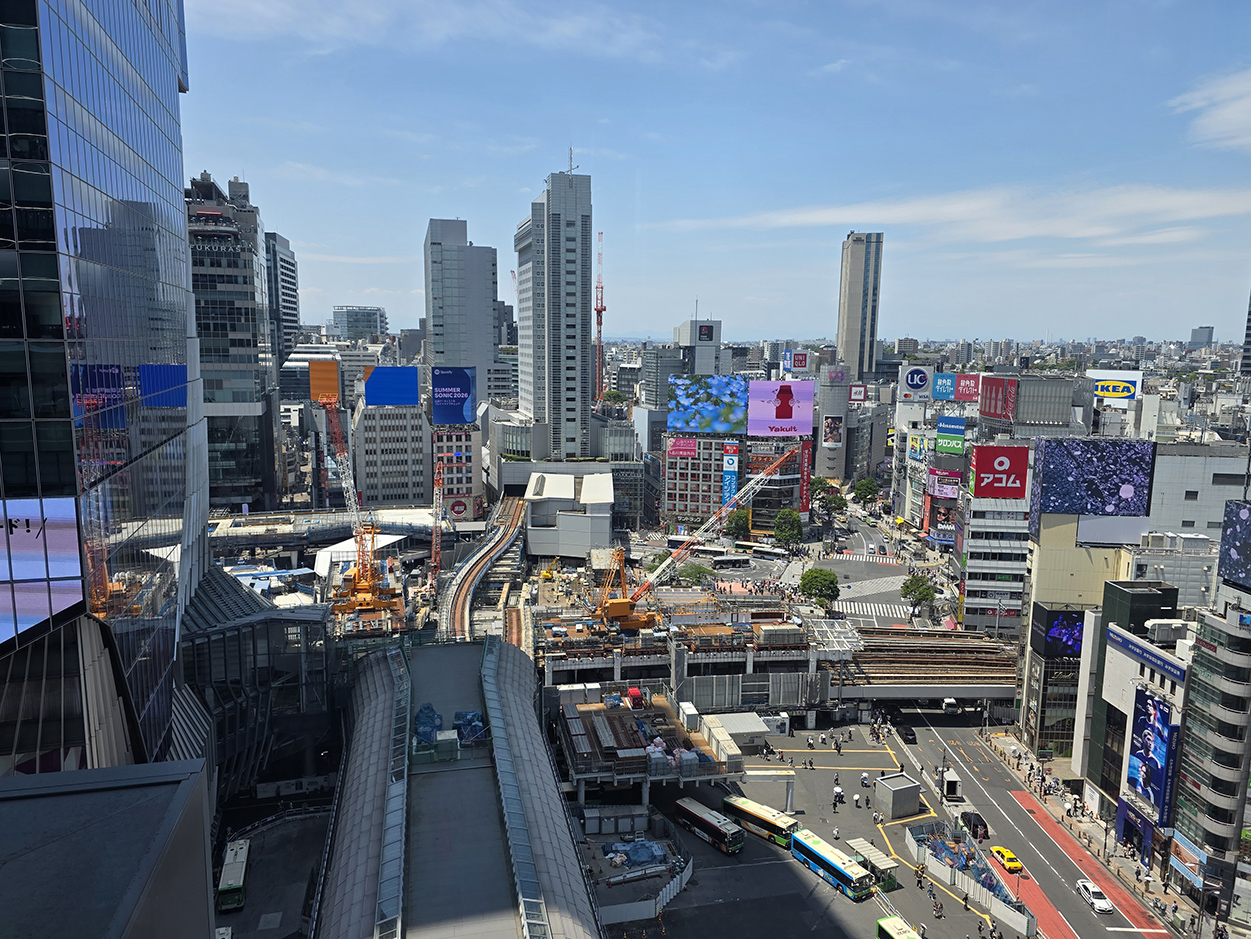
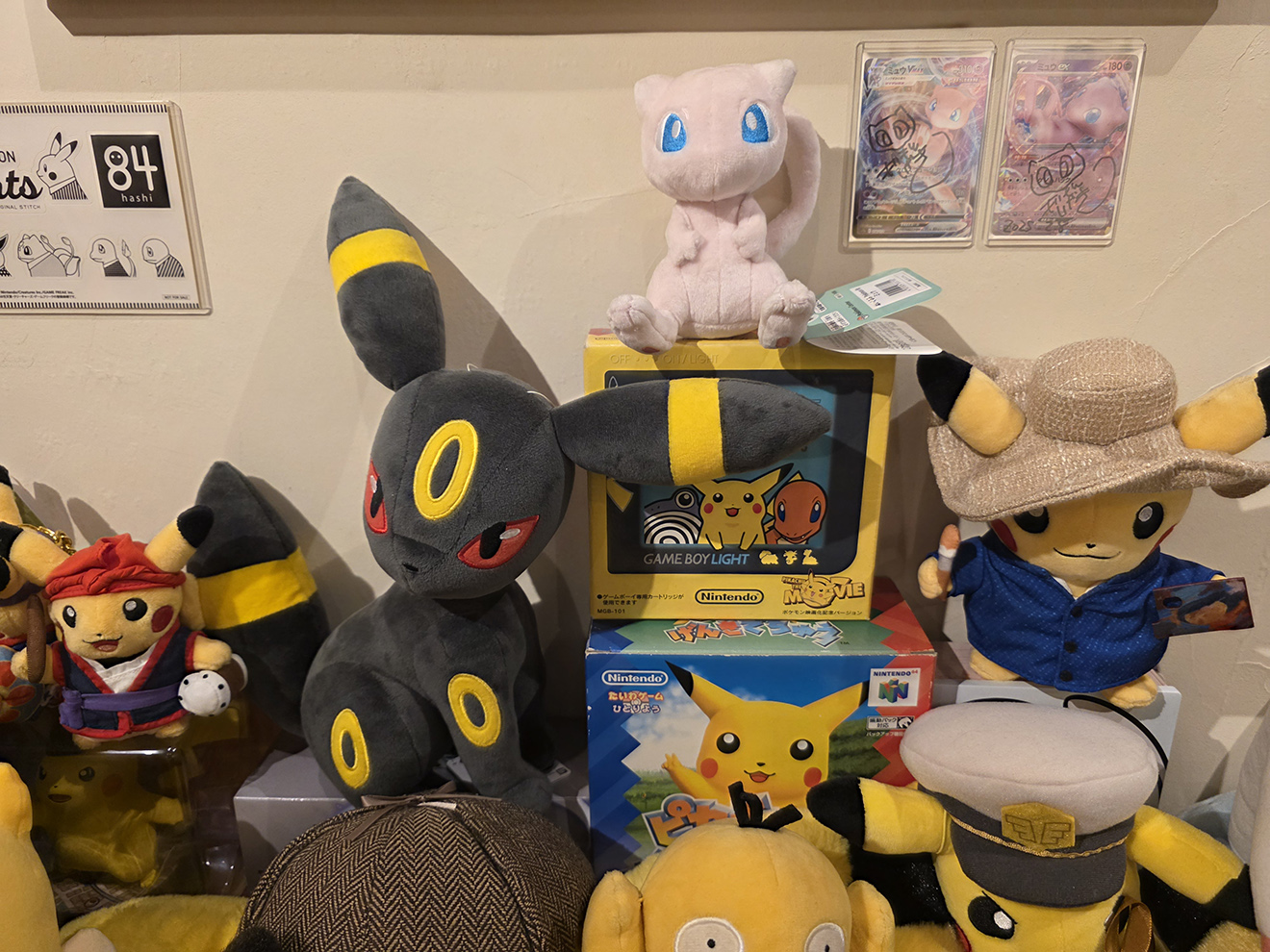
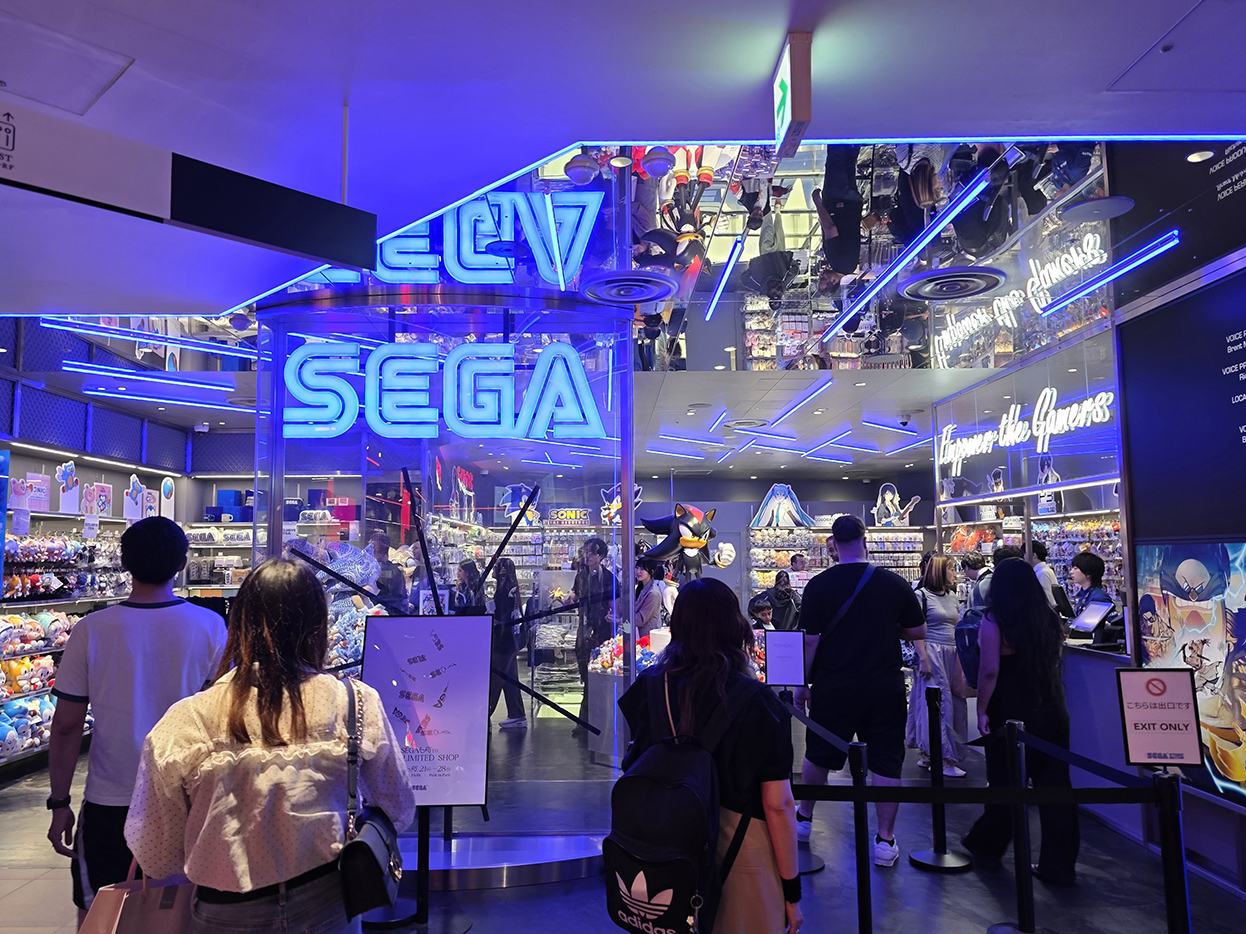
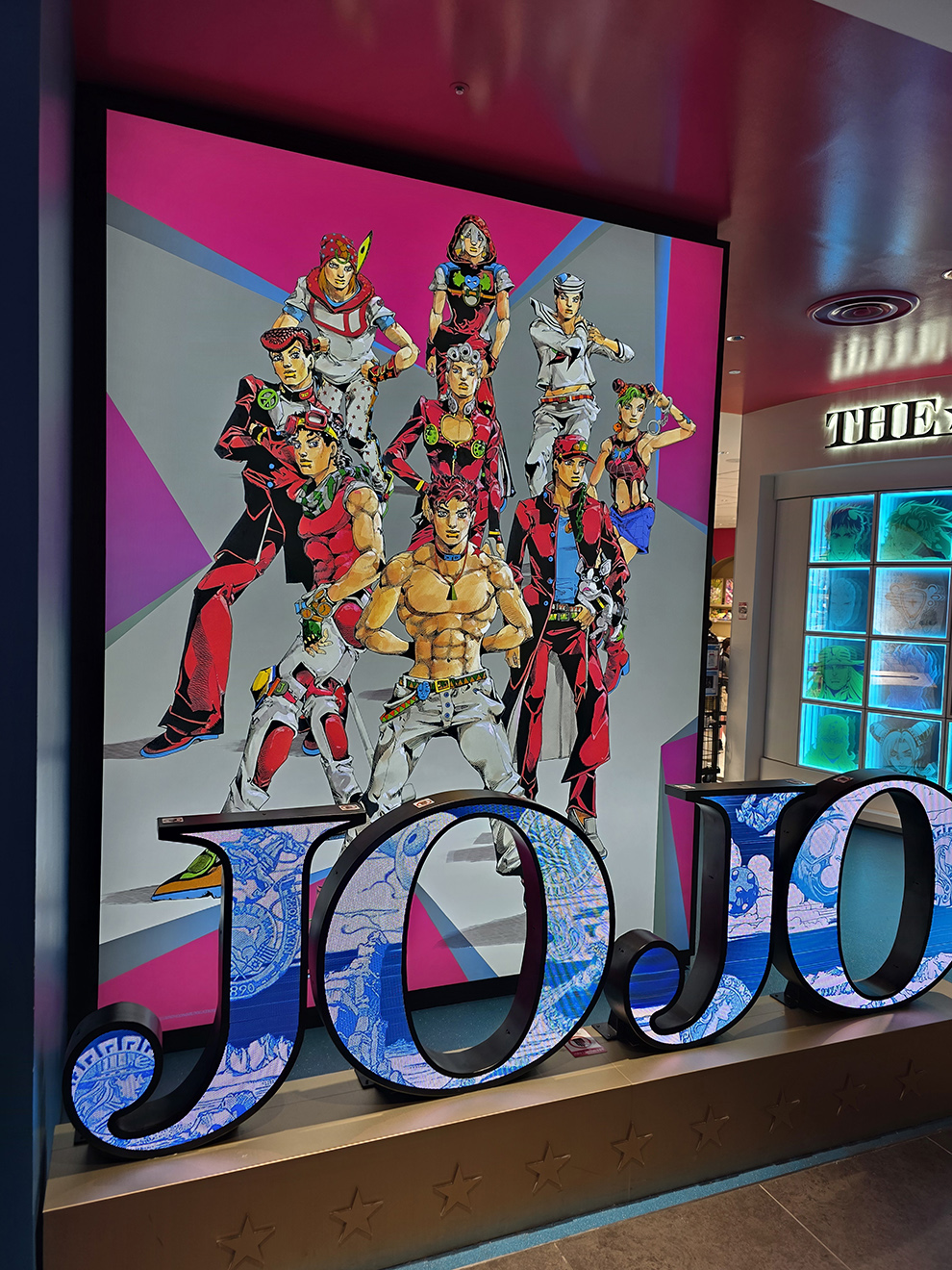
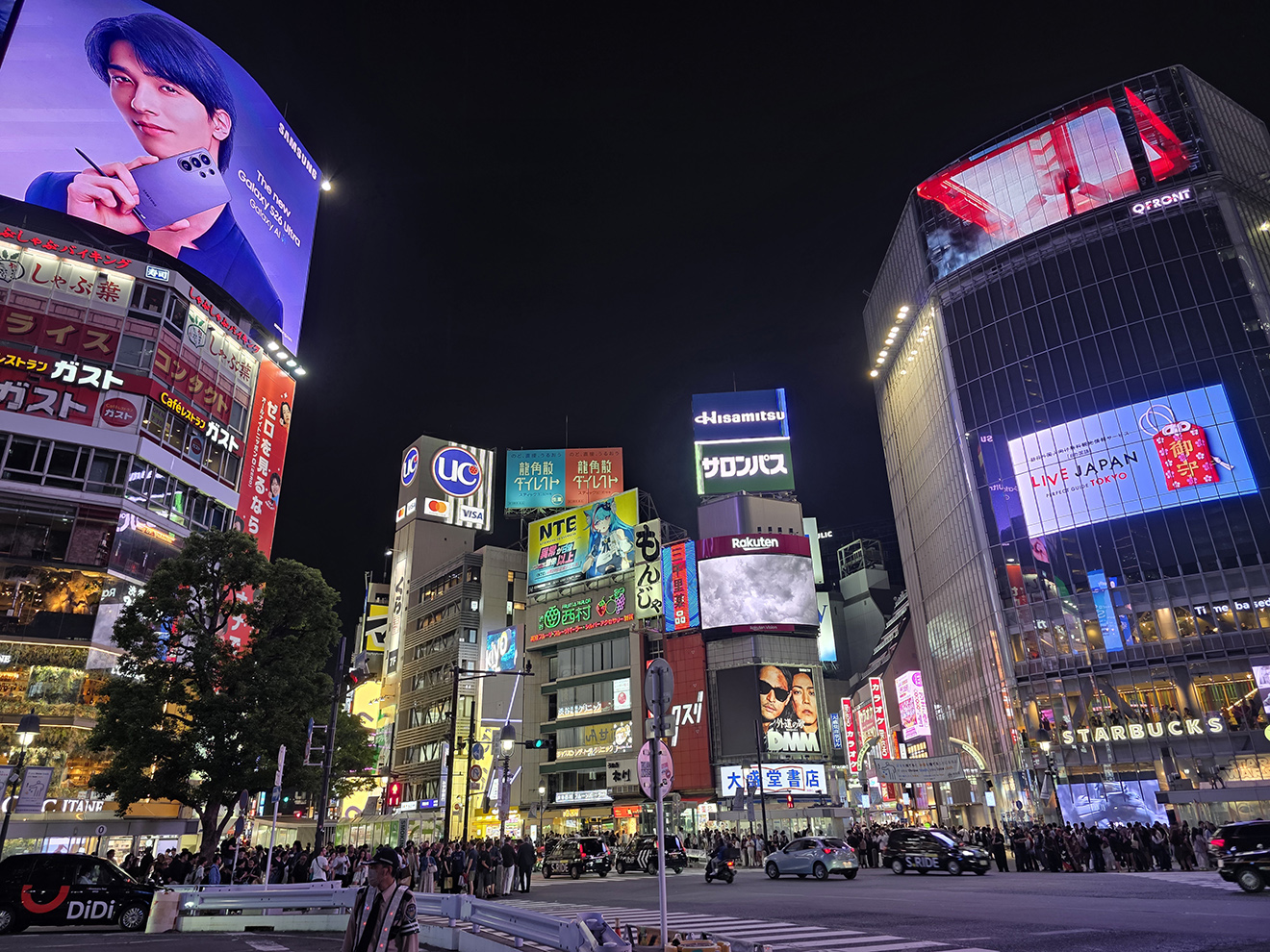
After both groups had finished their 84hashi visits and been dismissed for the day, I decided to hang out in Shibuya a bit longer and visit the Nintendo Store and Pokemon Center in Parco. There was also the Capcom Store (which I saw last time I was there) and a Sega Store (which I didn't). There was even a Jojo shop and cafe, though I don't know if that's permanent or just a pop-up.
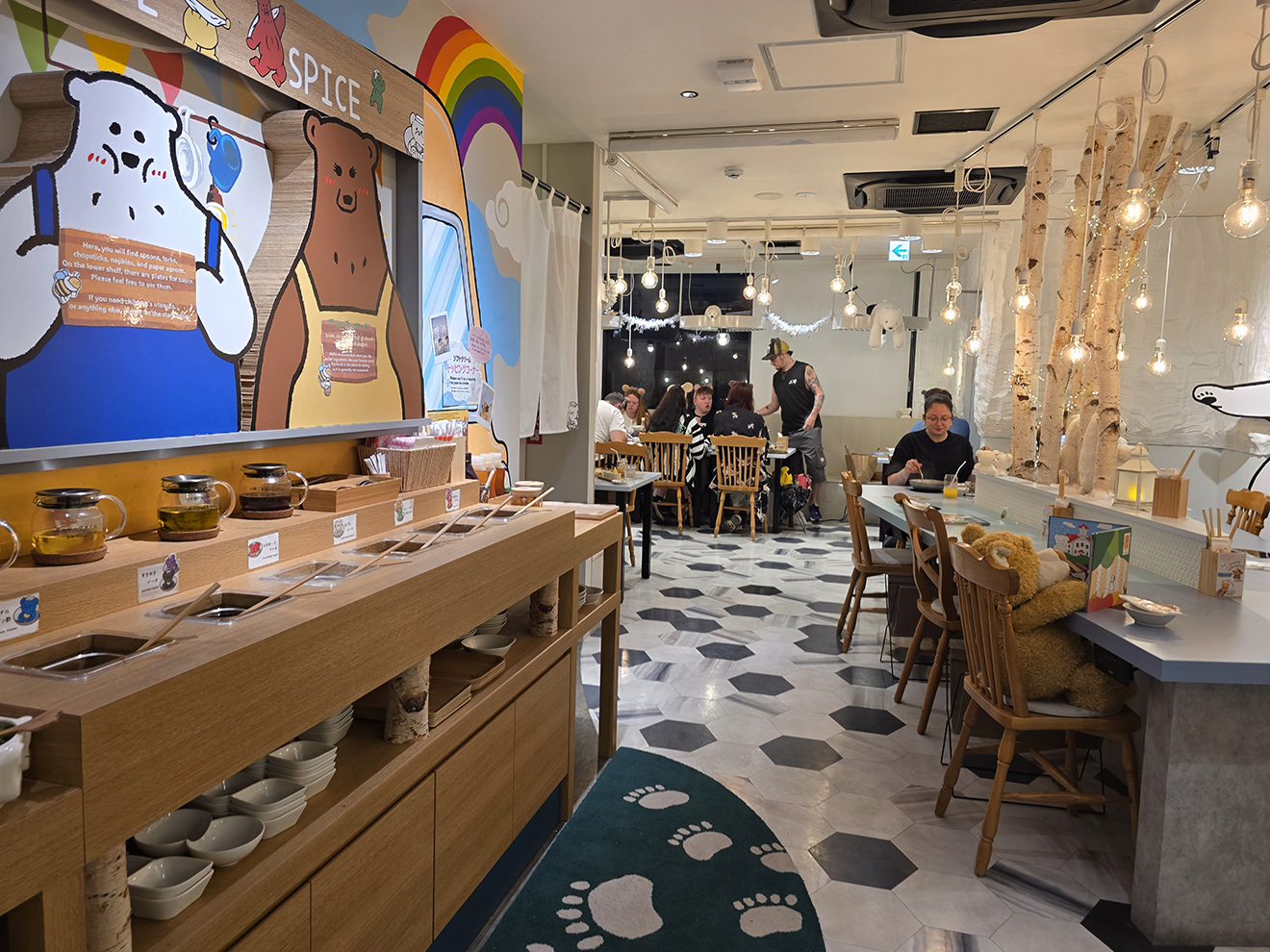
Finally, I went to try a nearby shabu (hot pot) restaurant that I'd heard about online. Kumachan Onsen is, as the name suggests, themed around a bear hot spring. But it's not just the décor, check out the hot pot itself. The bear is made of collagen and melts as the soup heats up, eventually disappearing into the broth. They even have dessert versions, with bears made out of read bean paste or chocolate. It's extremely cute, and it's pretty good hot pot as well. That said, you do pay a bit of a premium for the experience.
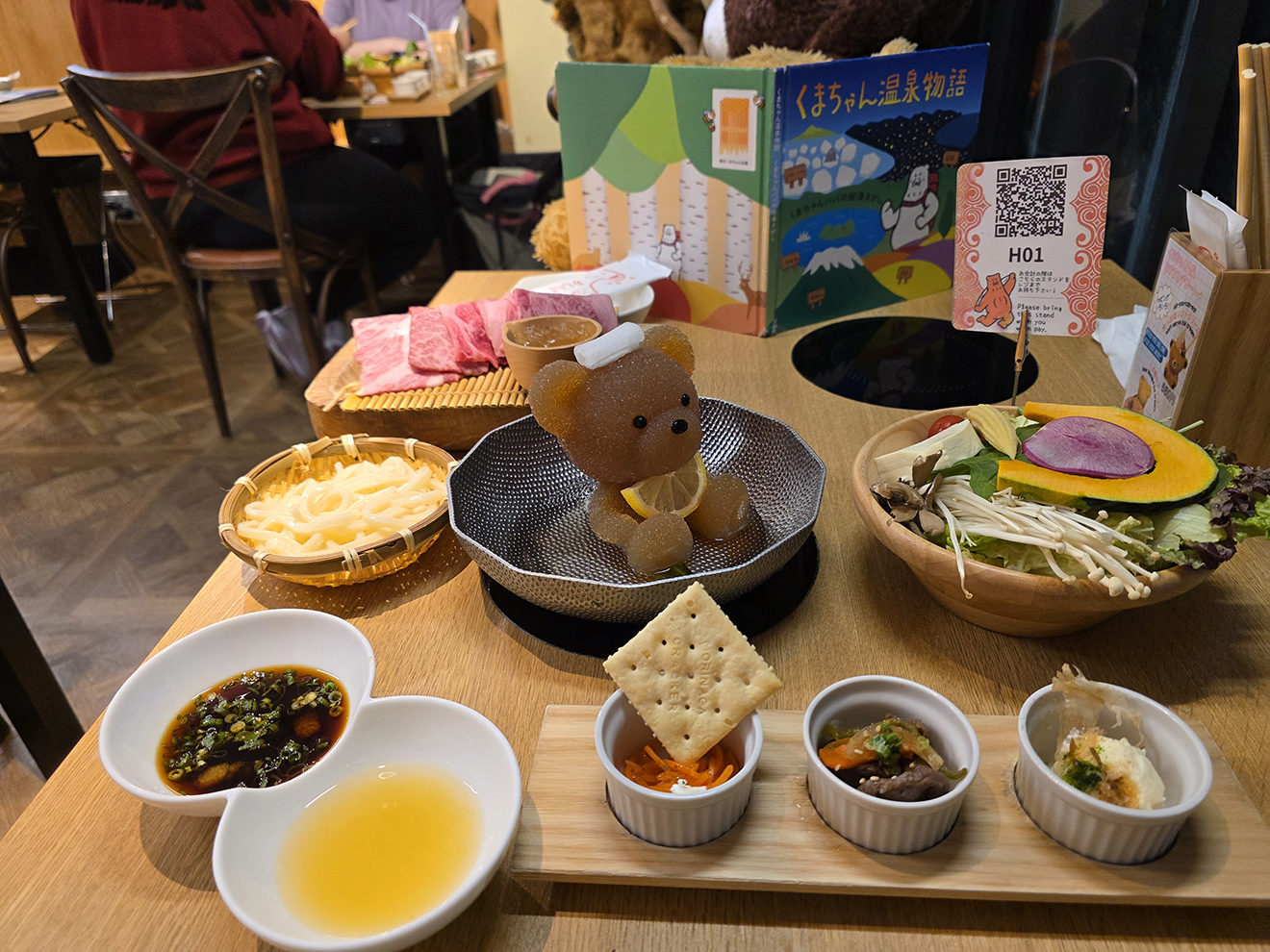
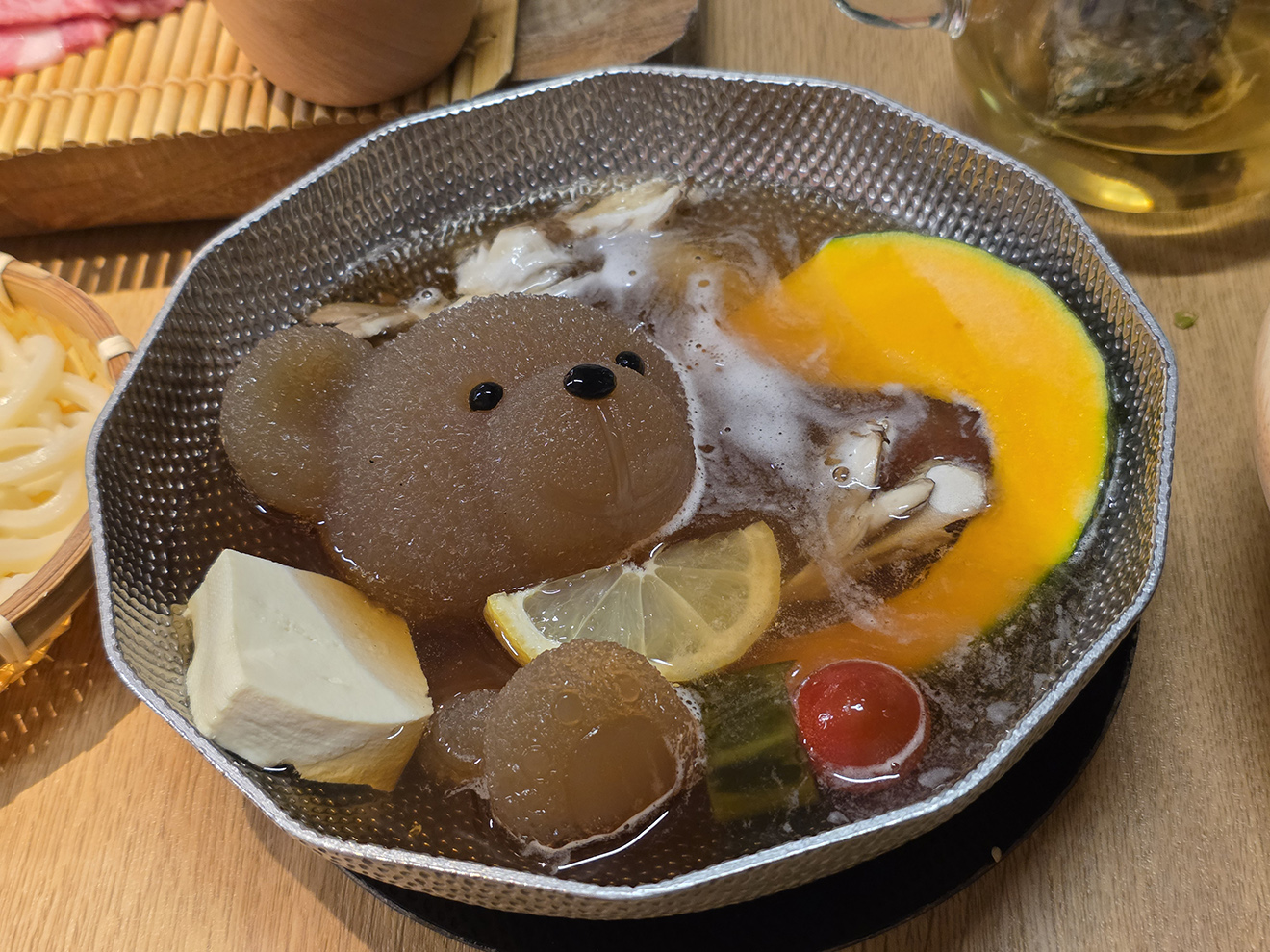
By the time I finished eating, it was getting late so I decided to call it a day.
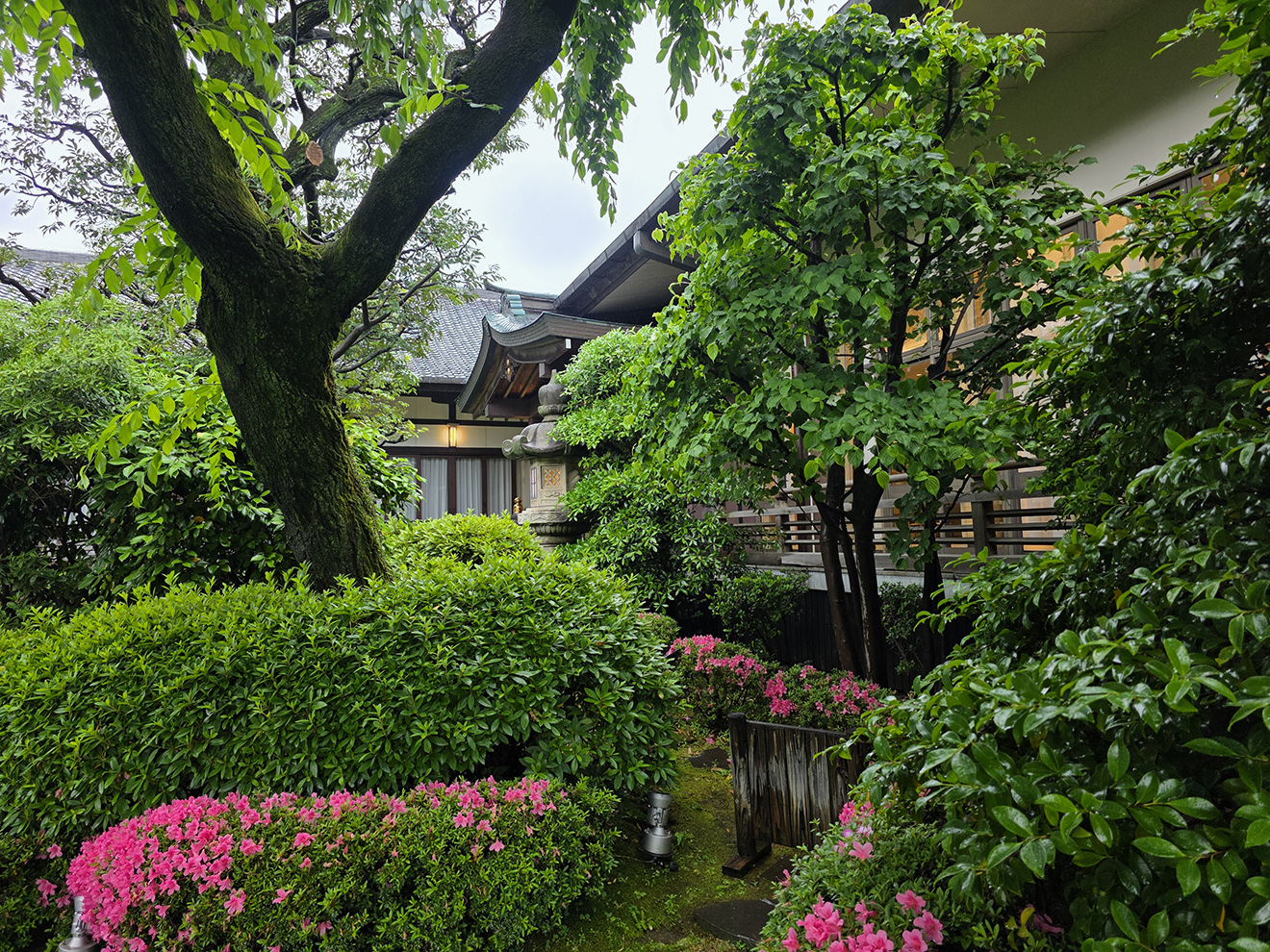
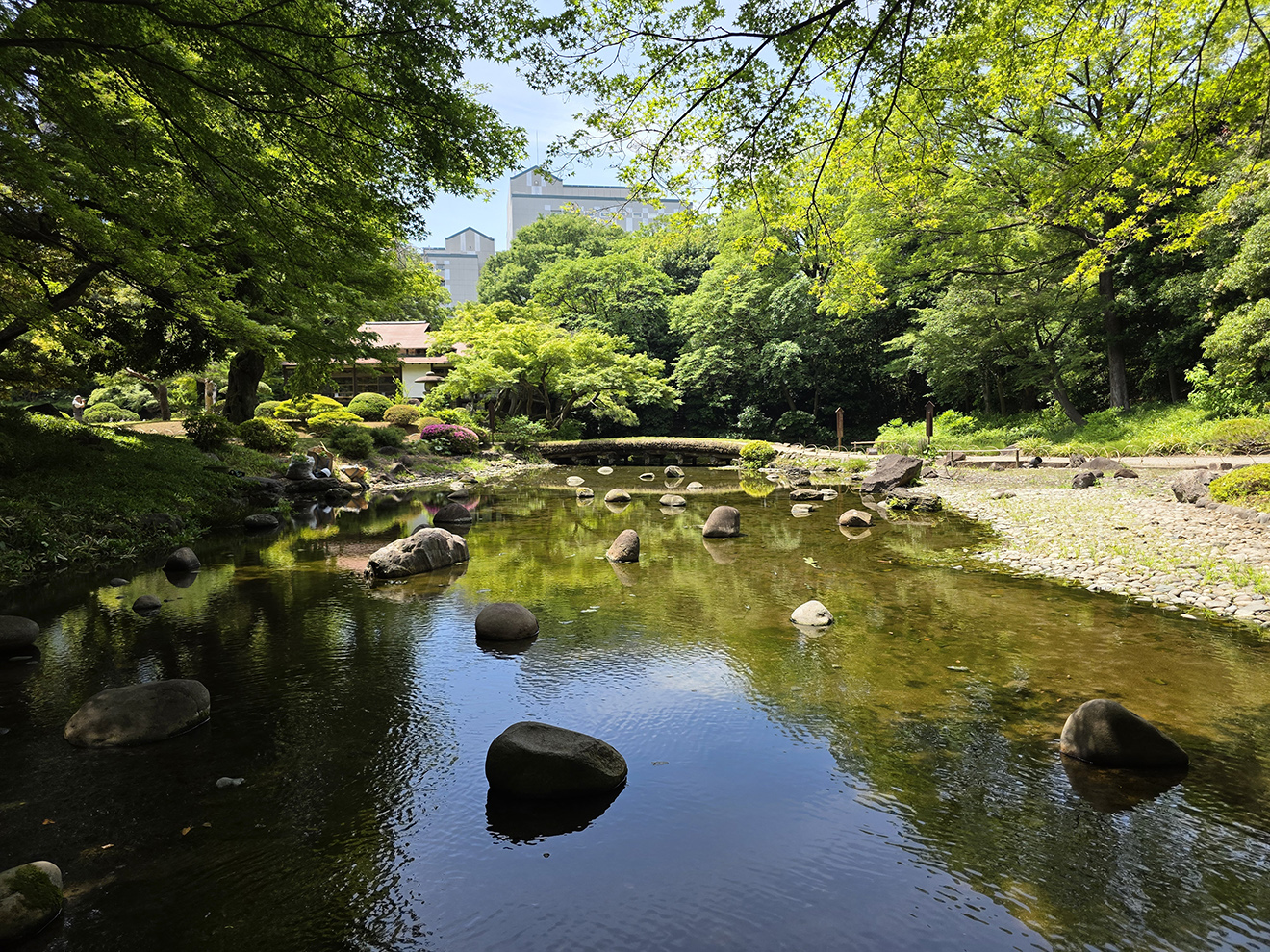
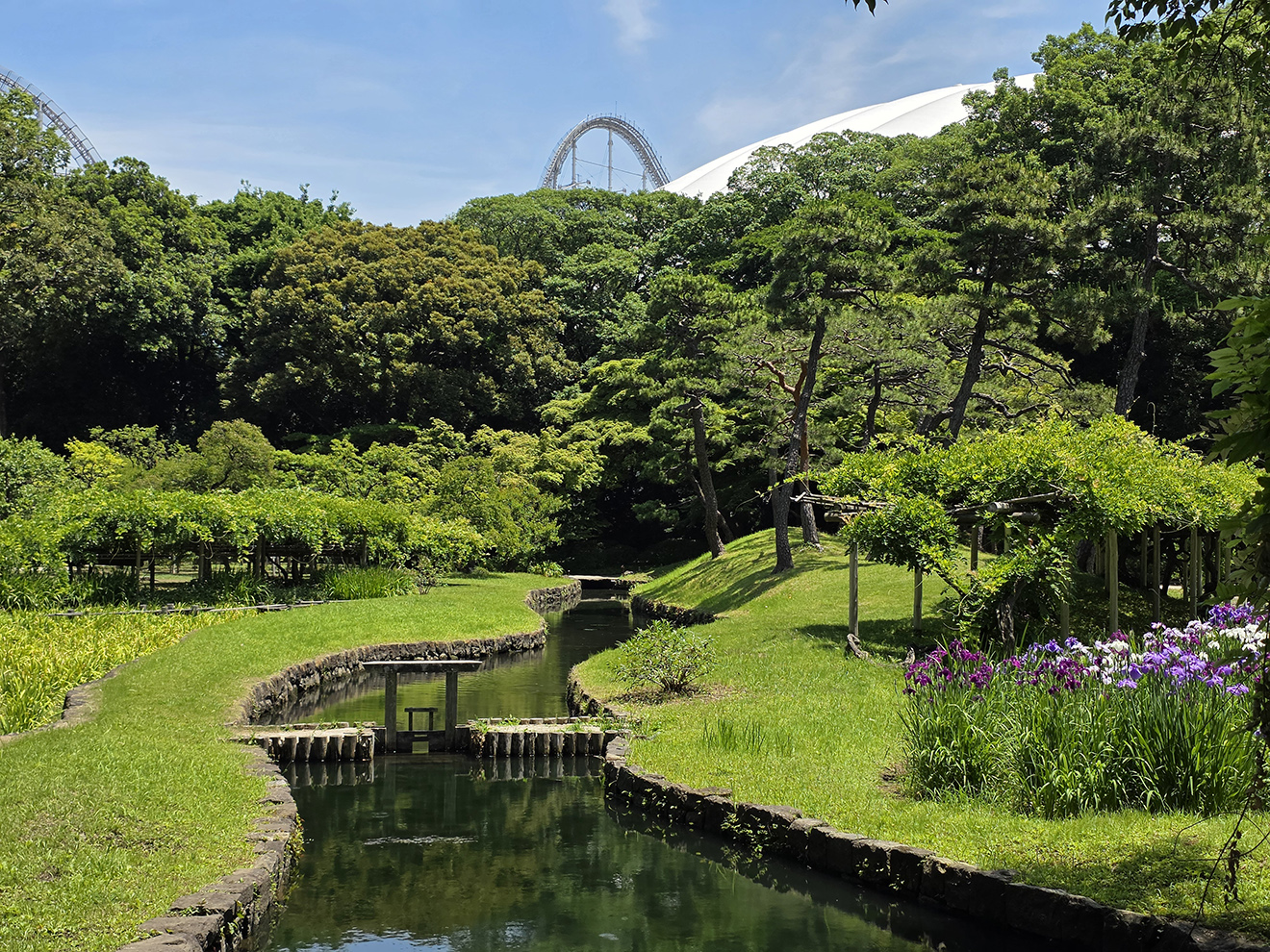
We started the day off heading to Shinjuku to the meetup spot for the tour. We all got Studio Ghibli mugs, which was a nice bonus, and then loaded onto a tour bus. As we drove, the guide talked a bit about imperial palace (which we were passing) and some other things about Tokyo history. Our first stop was at a very fancy hall near the palace that's often used as a wedding venue. It also has a restaurant, where we got a nice Japanese food sampler platter of sorts for lunch. We also had a little bit of time to walk around the garden outside. It wasn't very big, but there were some nice spots.
Next stop was the Edo Tokyo Open-Air Architectural Museum. It's one of those museums where they collect old buildings from around Japan, relocate them, fix them up, and let you visit and explore to learn about them. I've been to a number of such museums, including several in Japan. Edo Tokyo isn't anywhere close to the biggest, but it's nice. There's everything from shops, to baths, to farm houses, to mansions. Some even show a bit of Western influence. I actually went there once before around ten years ago, also combined with the Ghibli Museum since they're fairly close to each other. In fact, it's said that Miyazaki used to visit often and he even designed the museum's mascot.
Finally, it was time to go to the Ghibli Museum itself. Unfortunately, photos still aren't allowed inside. The museum hasn't changed much since my previous visits. The special exhibit has is different, of course (it currently focuses on a Japan children's book author who was friends with Miyazaki and collaborated with the studio on some short films), and I saw a cute short film about a boy and a rabbit I hadn't seen before (based on one of the afore mentioned author's books). That makes four films out of ten (I think). Wonder if I'll ever see them all... Anyway, the museum is still great, though the new Ghibli Park (which I visited a couple years back) is considerably larger and more elaborate. It's also easier to get tickets for. Though it's a little too far off the beaten path to fit into the Japan trip itinerary. I would certainly be up for doing the Sunrise Tour again in future years though.
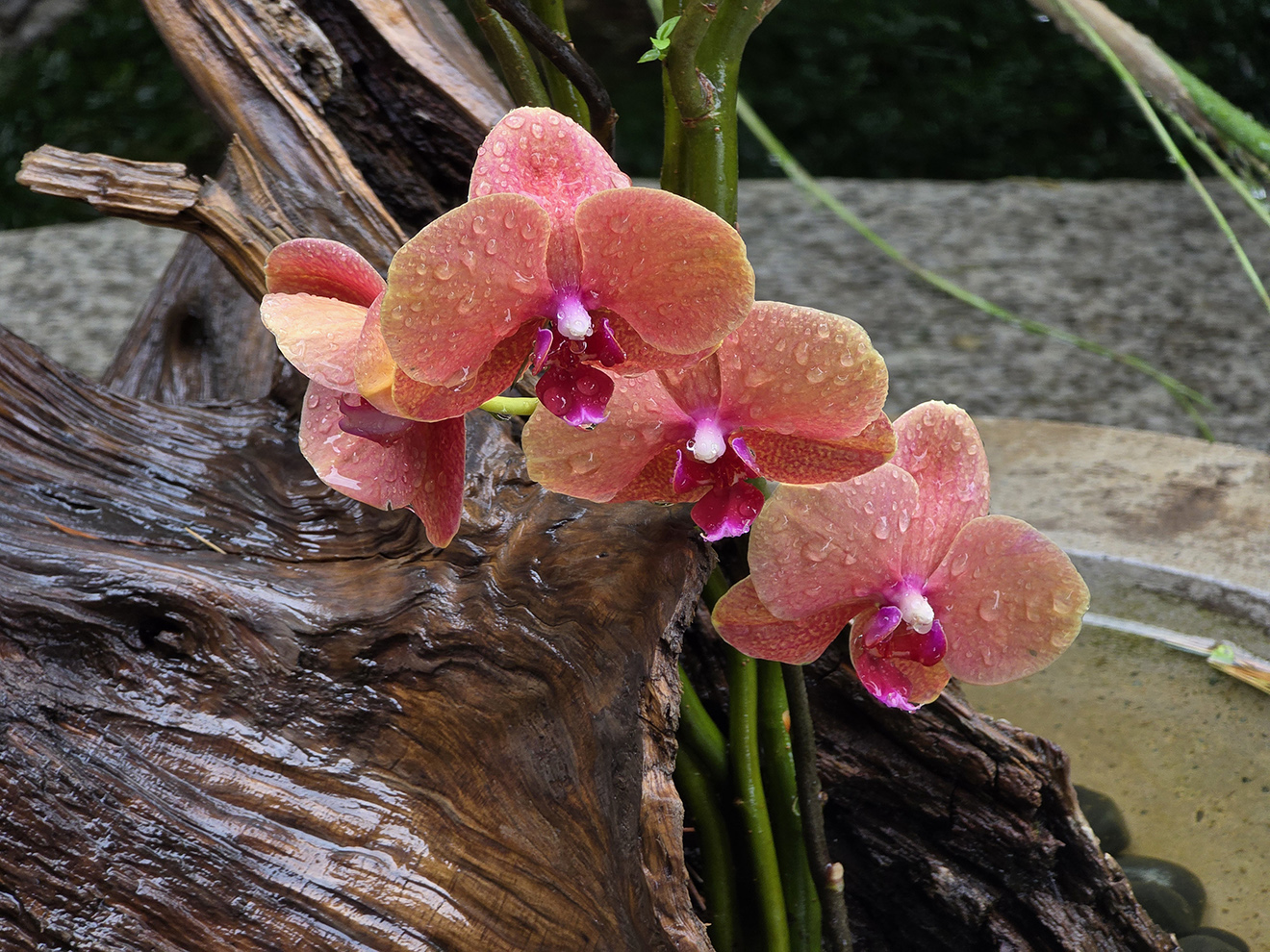
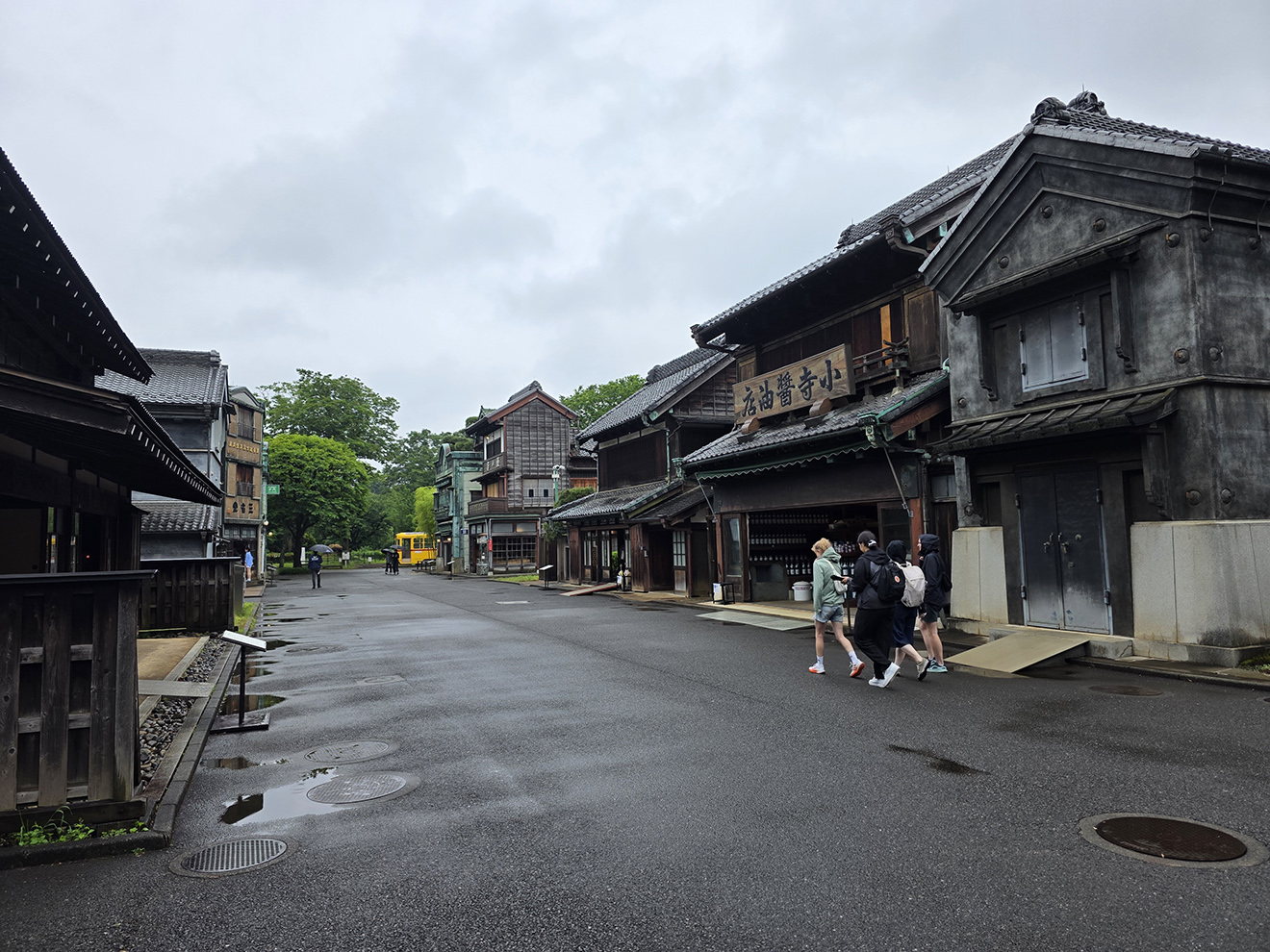
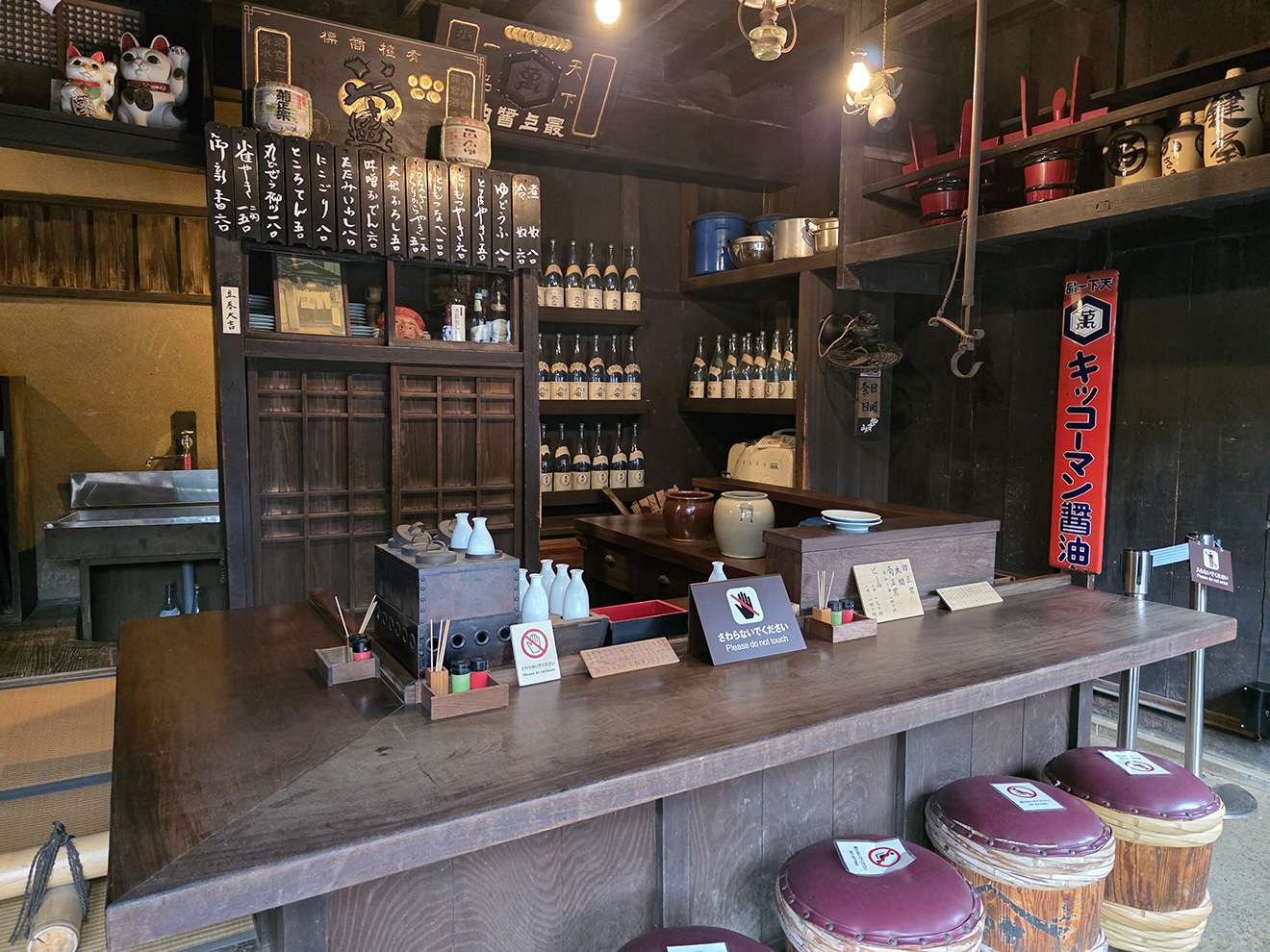
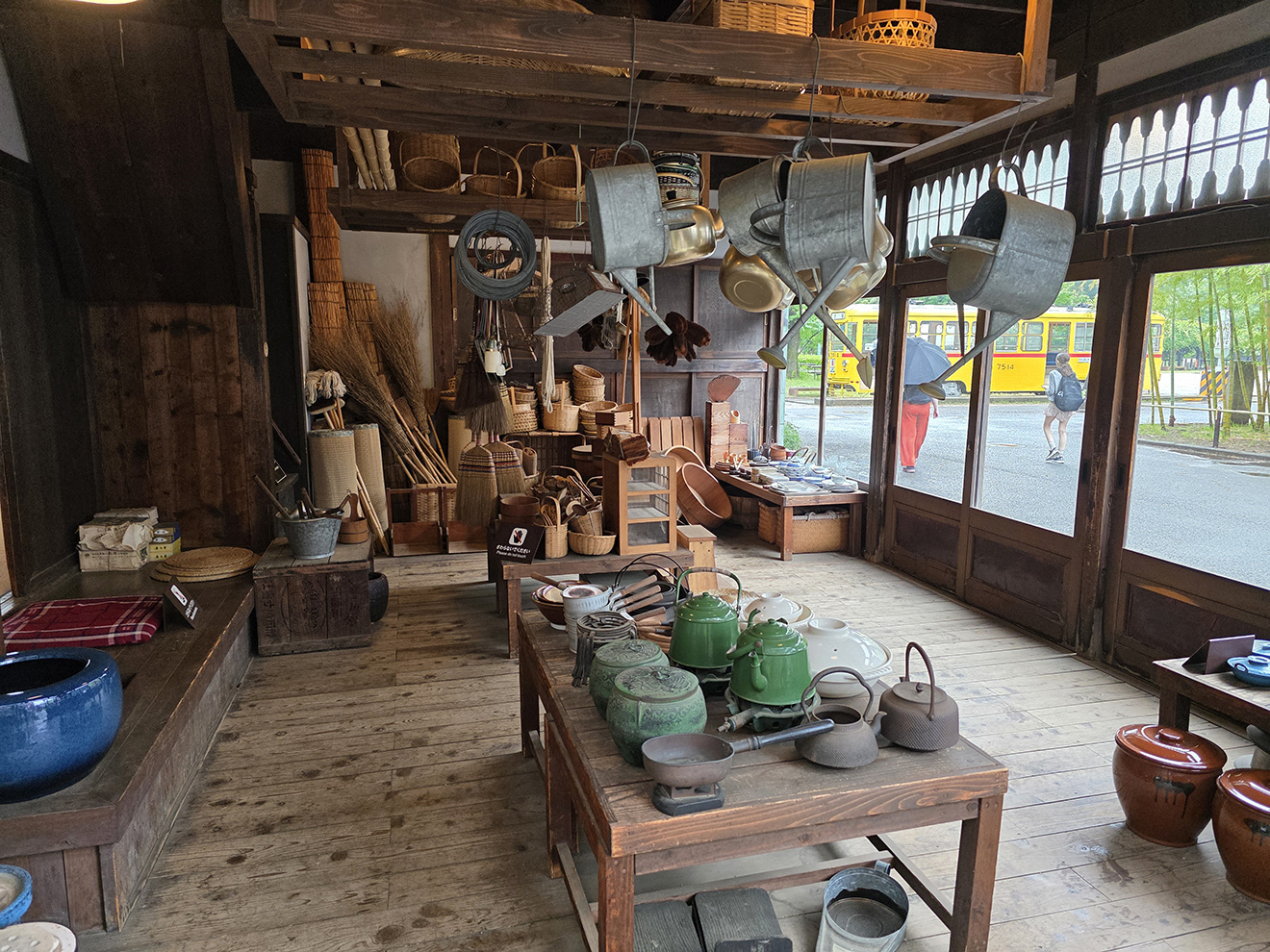
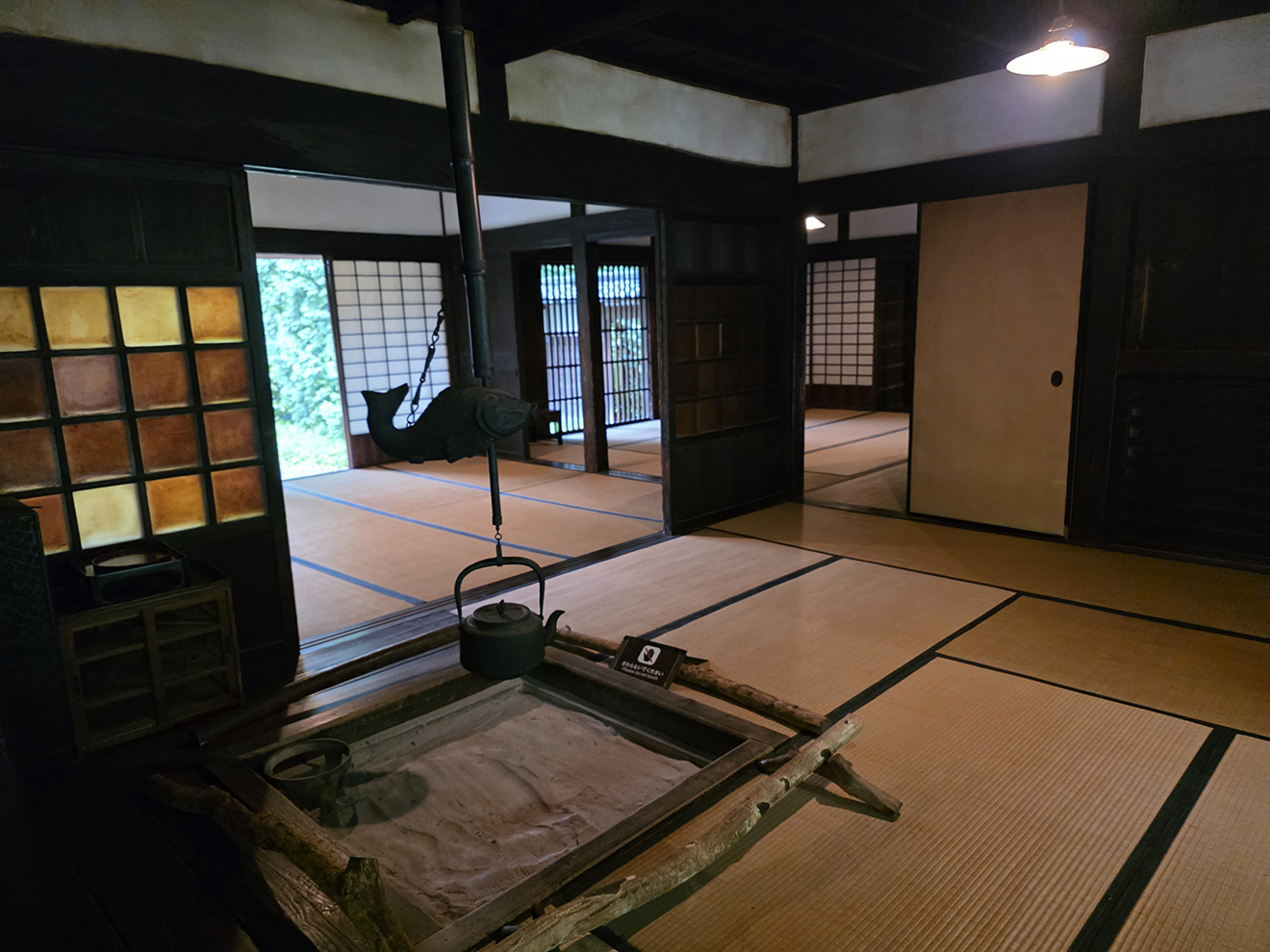
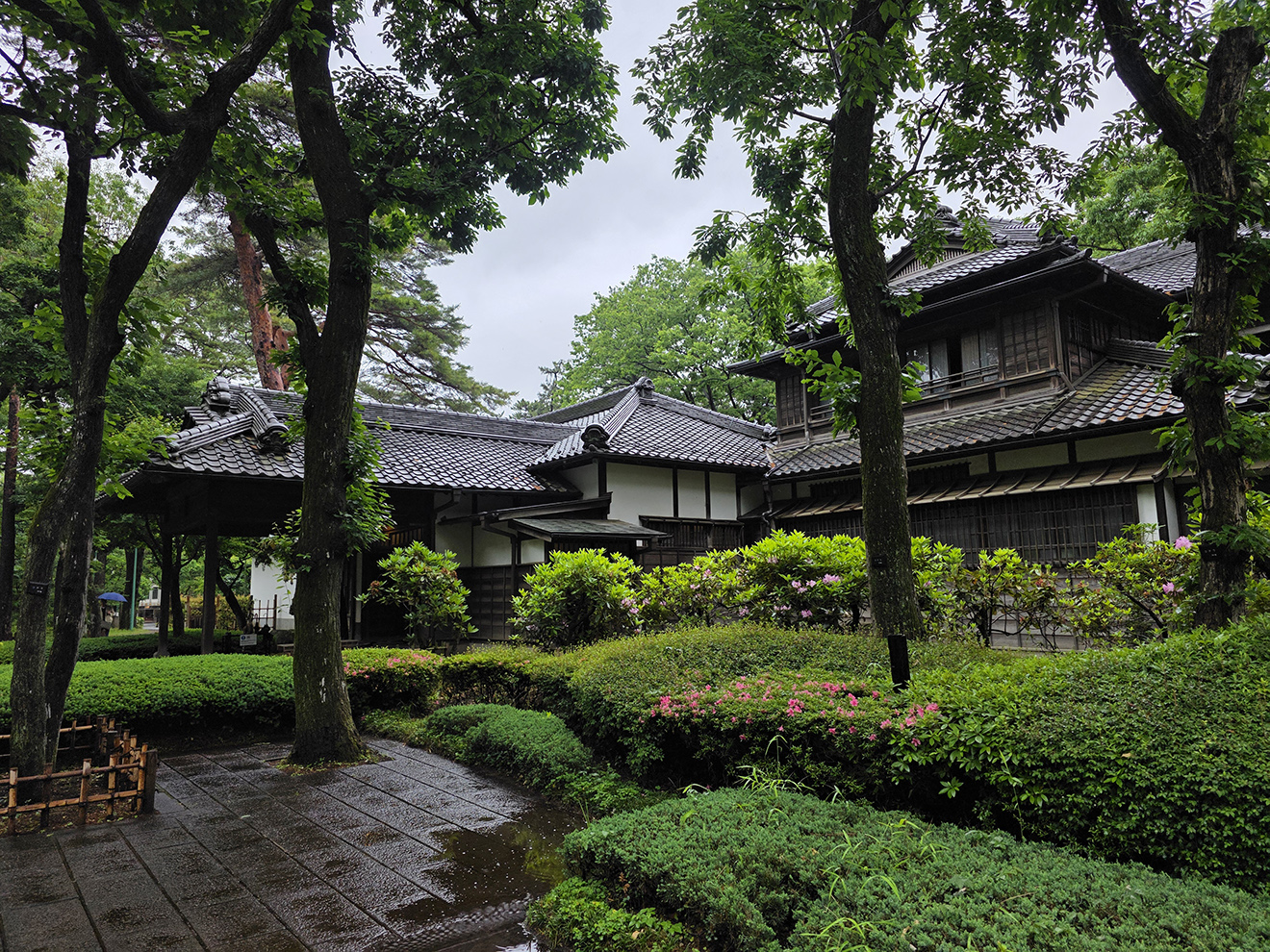
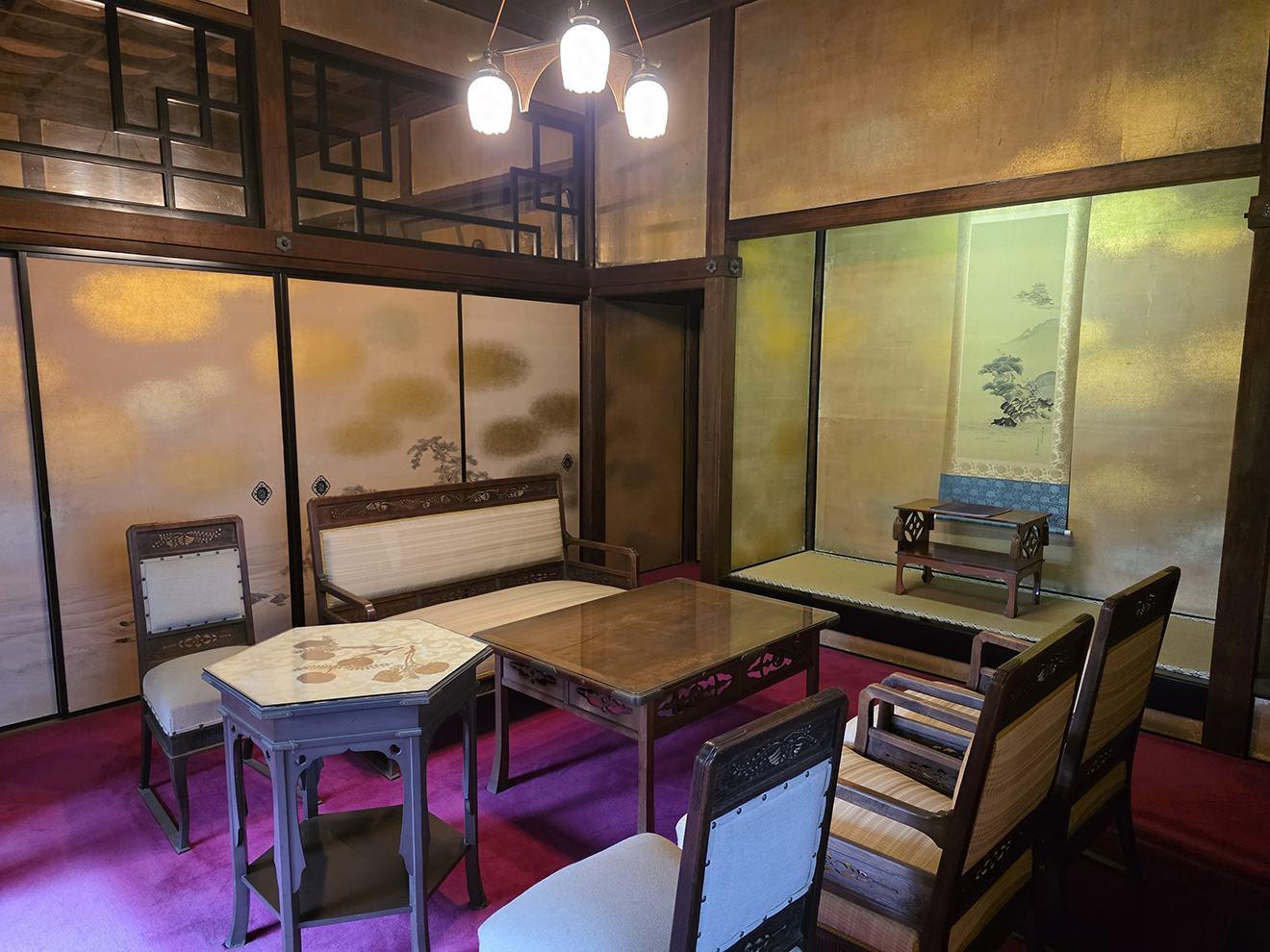
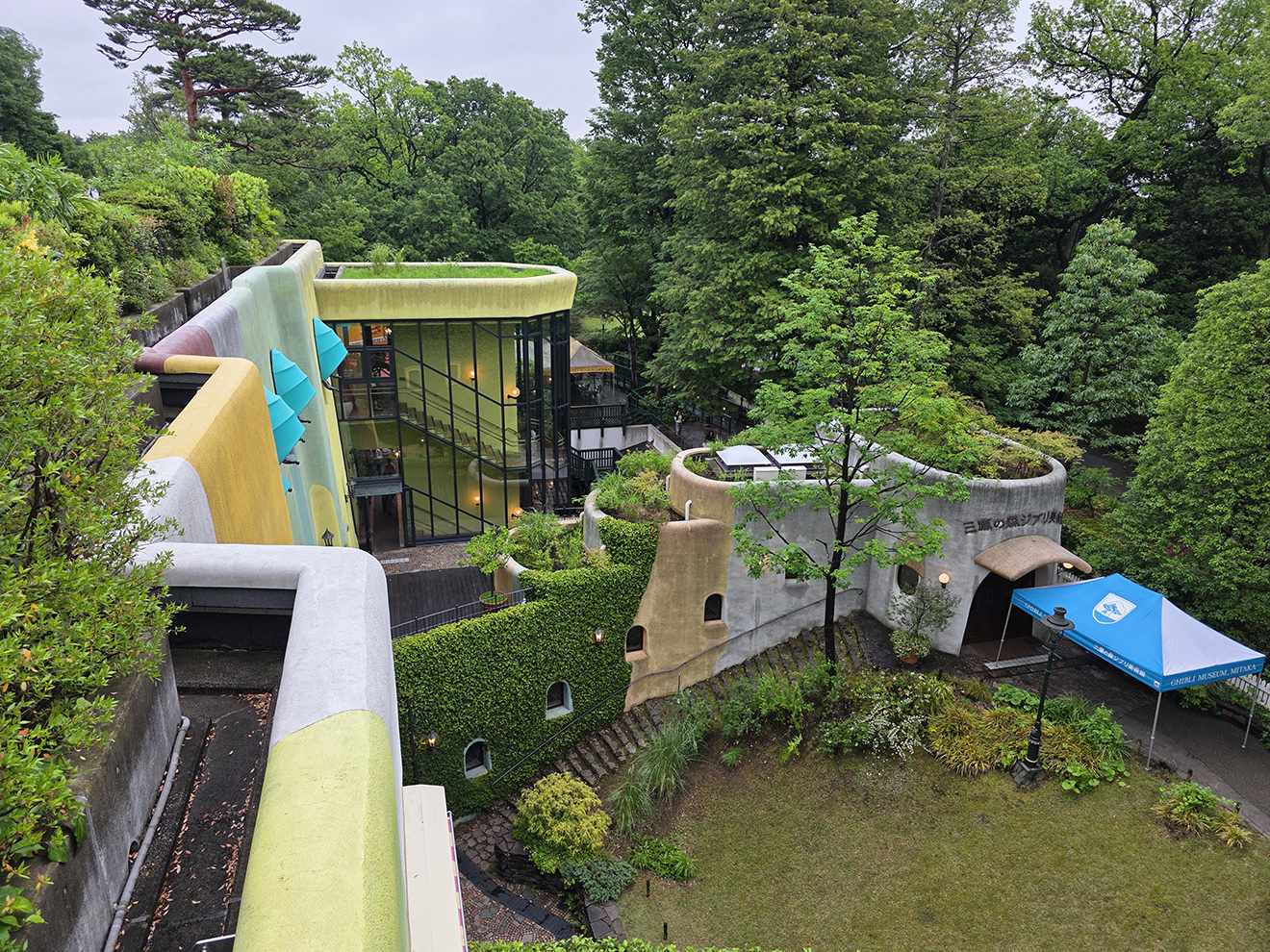
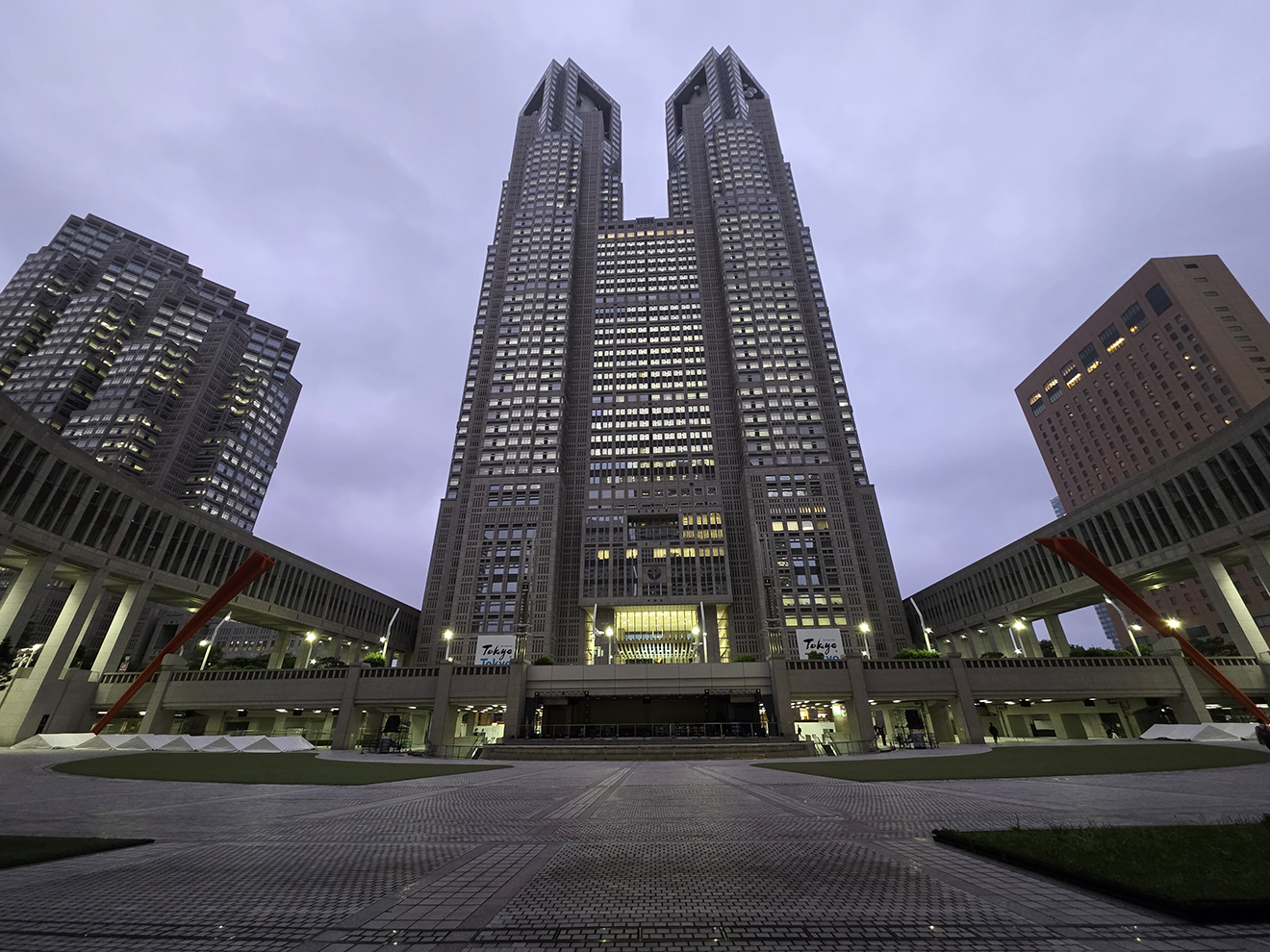
The tour ended back in Shinjuku and, since we were in the area, I decided to hang out for a bit by the Tokyo Metropolitan Government Building. They've recently starting doing nightly projection shows there on the side of the building. Called Tokyo Night and Lights, they run for around 15 minutes every half hour after dark. There's multiple different programs, each of which contains several short segments. I stayed for two sets, which let me see almost all the current weekday shows (weekends have a different line-up). While I liked some better than others, they were all well done and it was a fun way to spend some time. Some of the shows are even based on things like Pac-Man and Godzilla, which is pretty cool. Certainly worth watching if you're in the area.
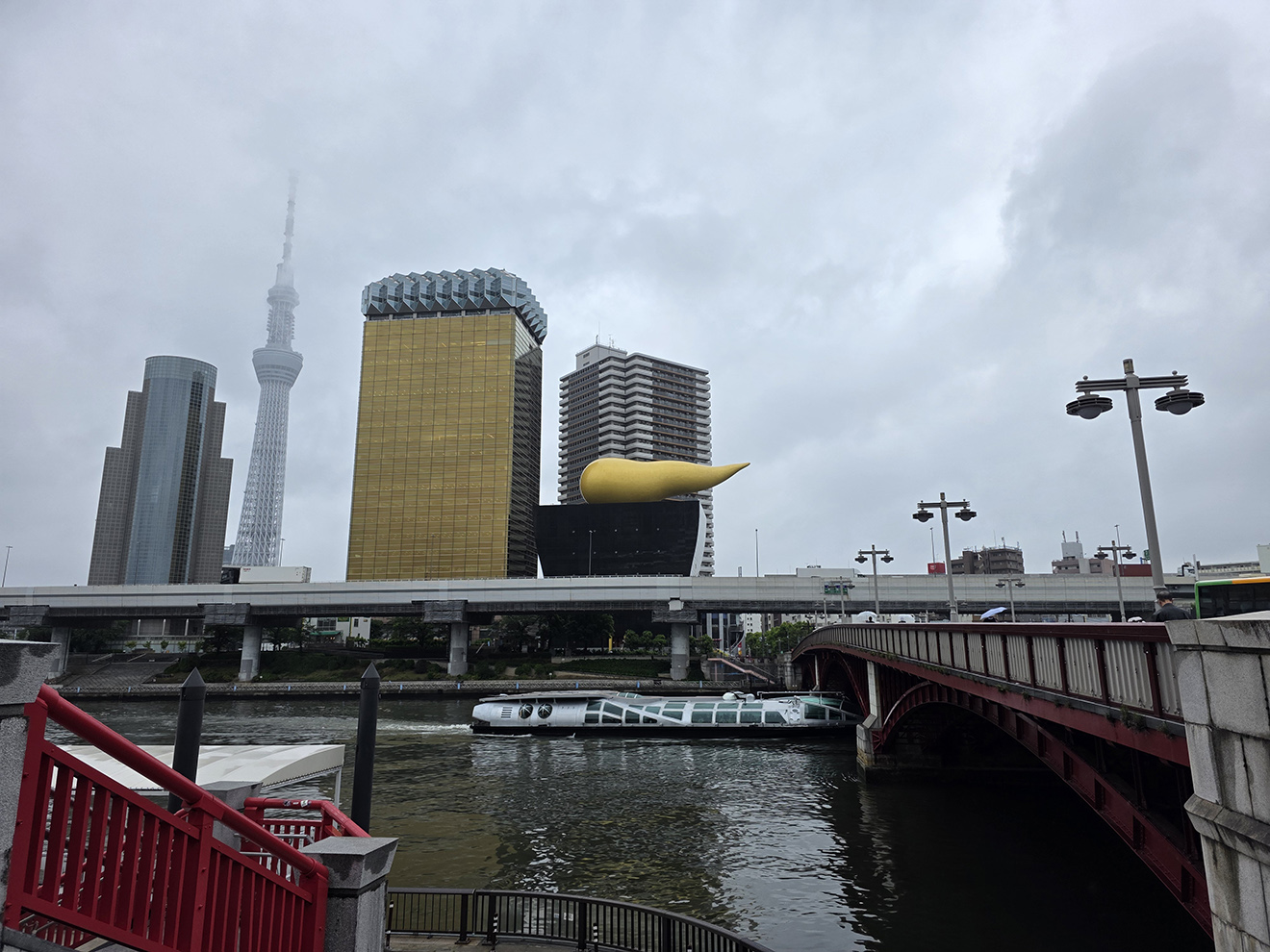
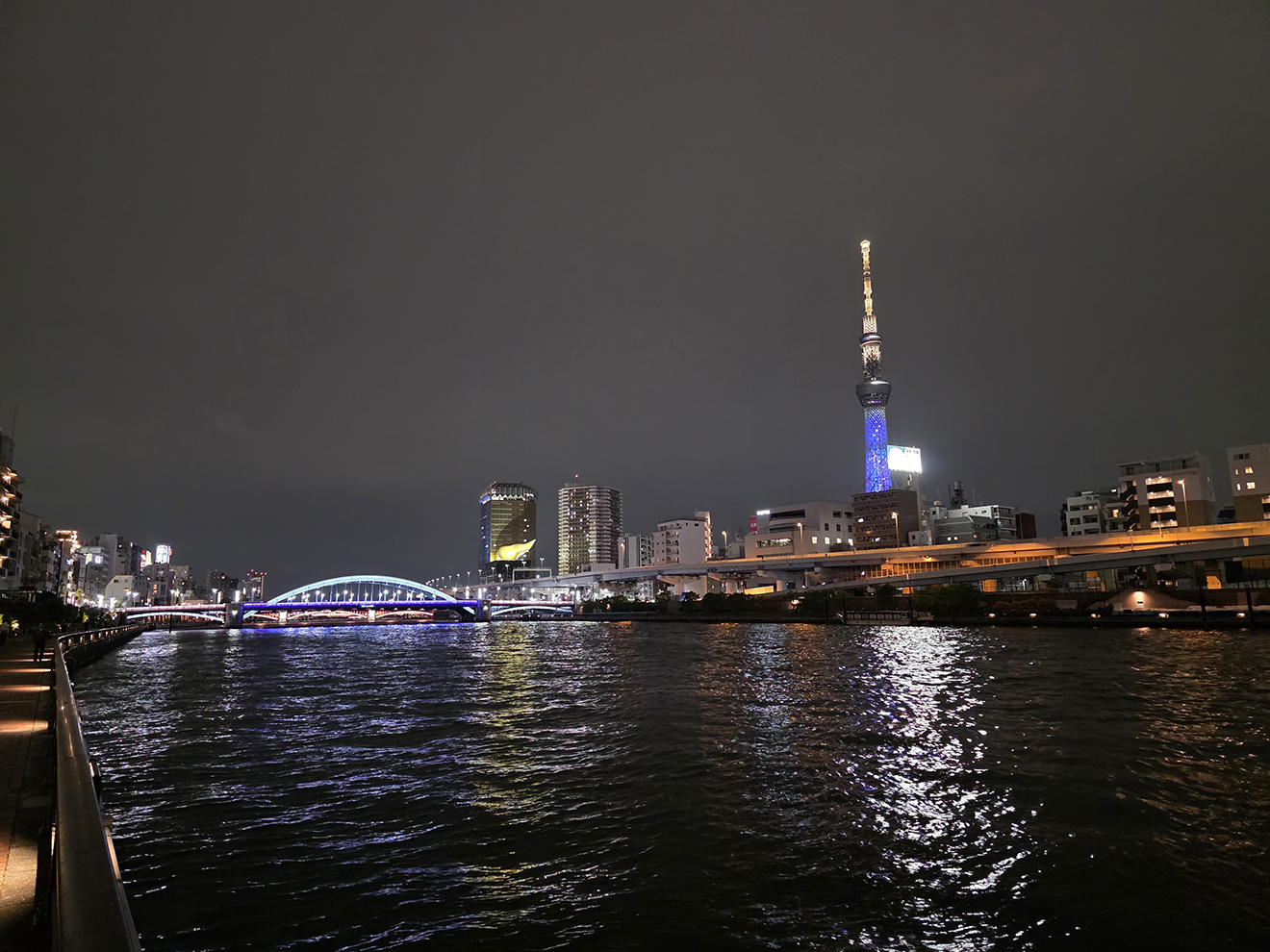
Random Japan Comment: Skytree or Sky Tree?
So, is it the Tokyo Skytree or Tokyo Sky Tree? I'm not really sure I've used one spelling consistently over the years. On the one hand, the official web site calls it the Skytree, so that seems pretty clear. Though I've seen other official sources spell it with two words, so maybe both are right? Wouldn't really surprise me if that's the case, the way Japan does things. Anyway, either version will be understood so I guess you can take your pick. Personally, I'm currently going with Skytree.
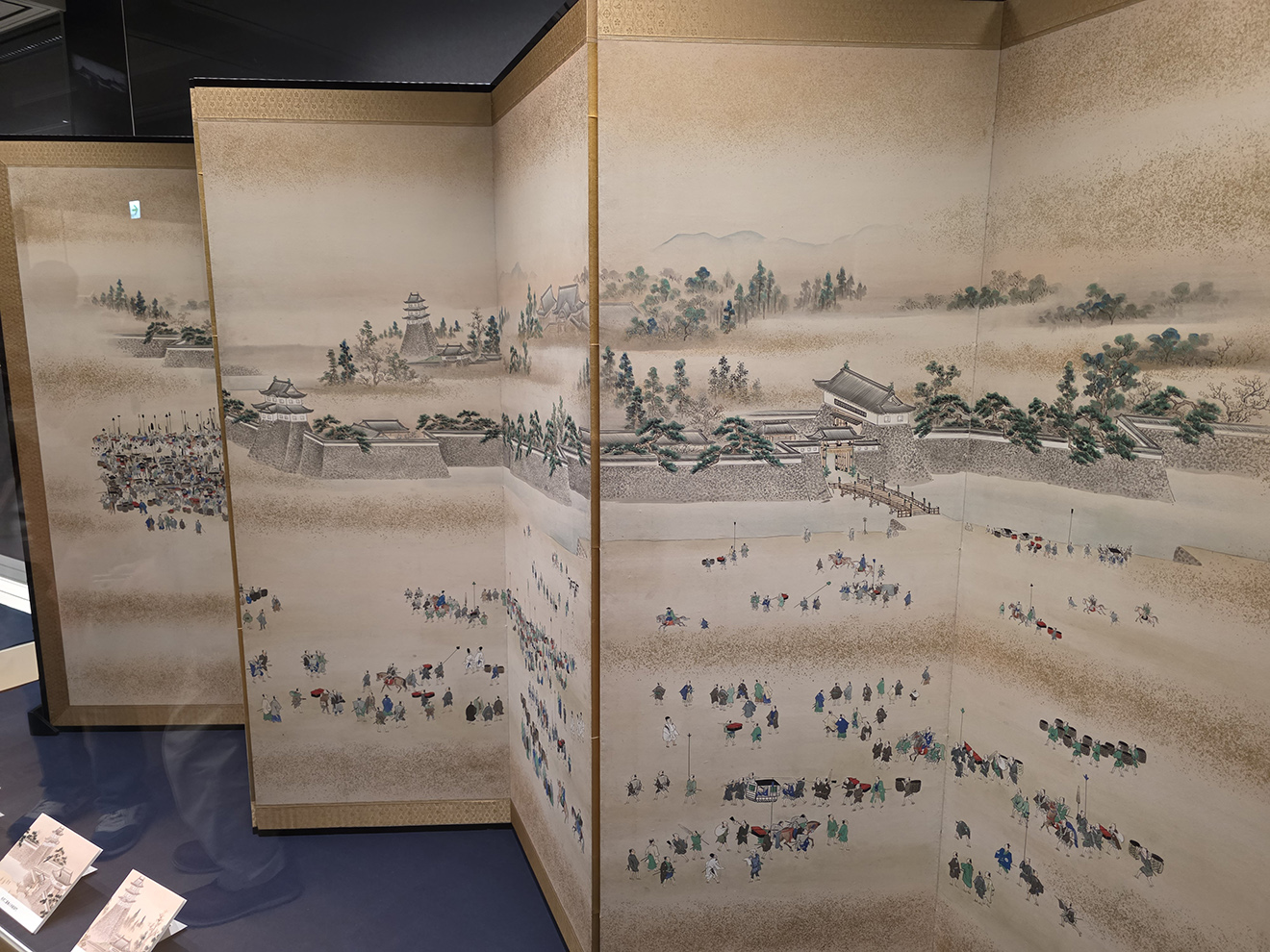
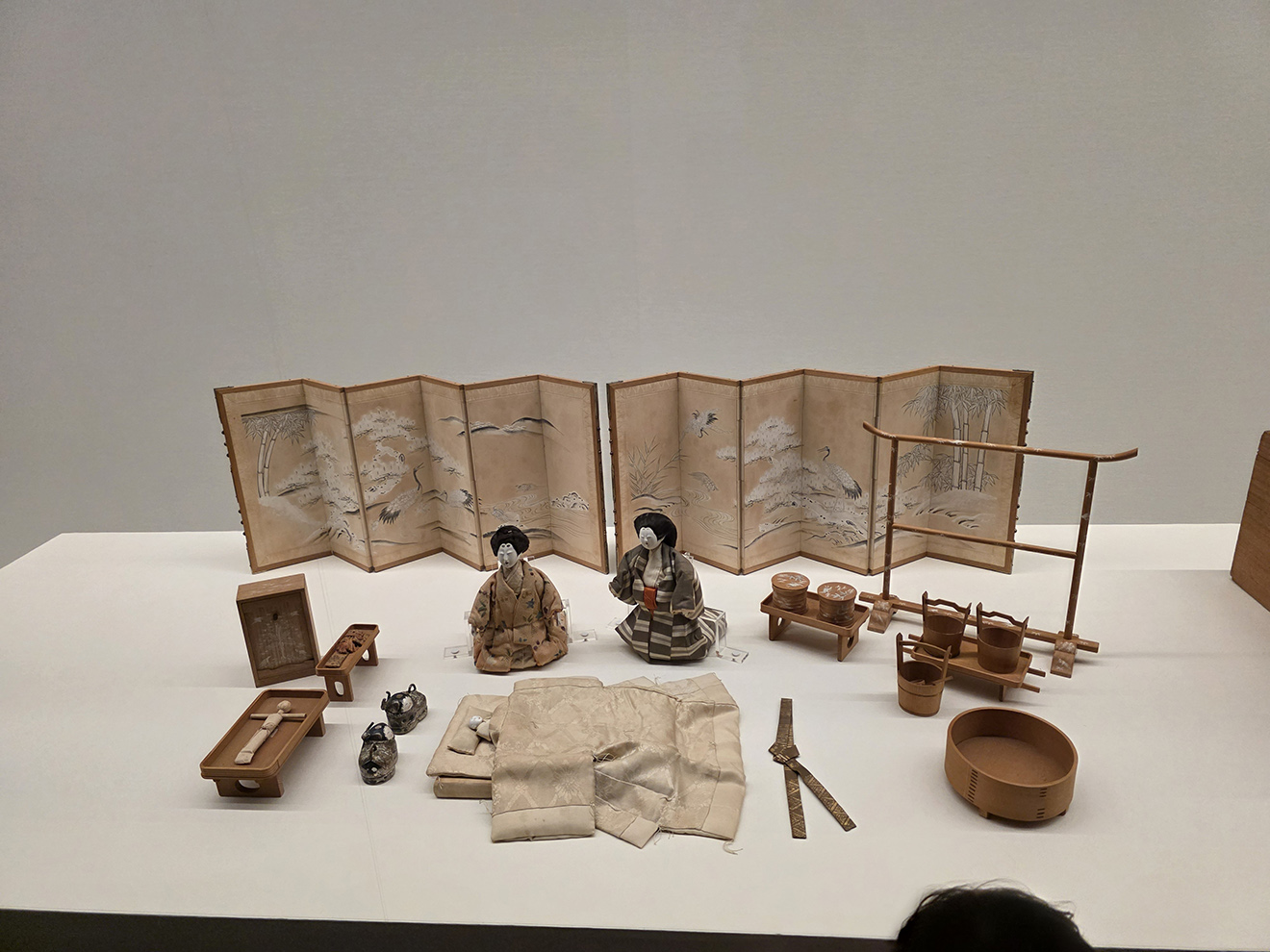
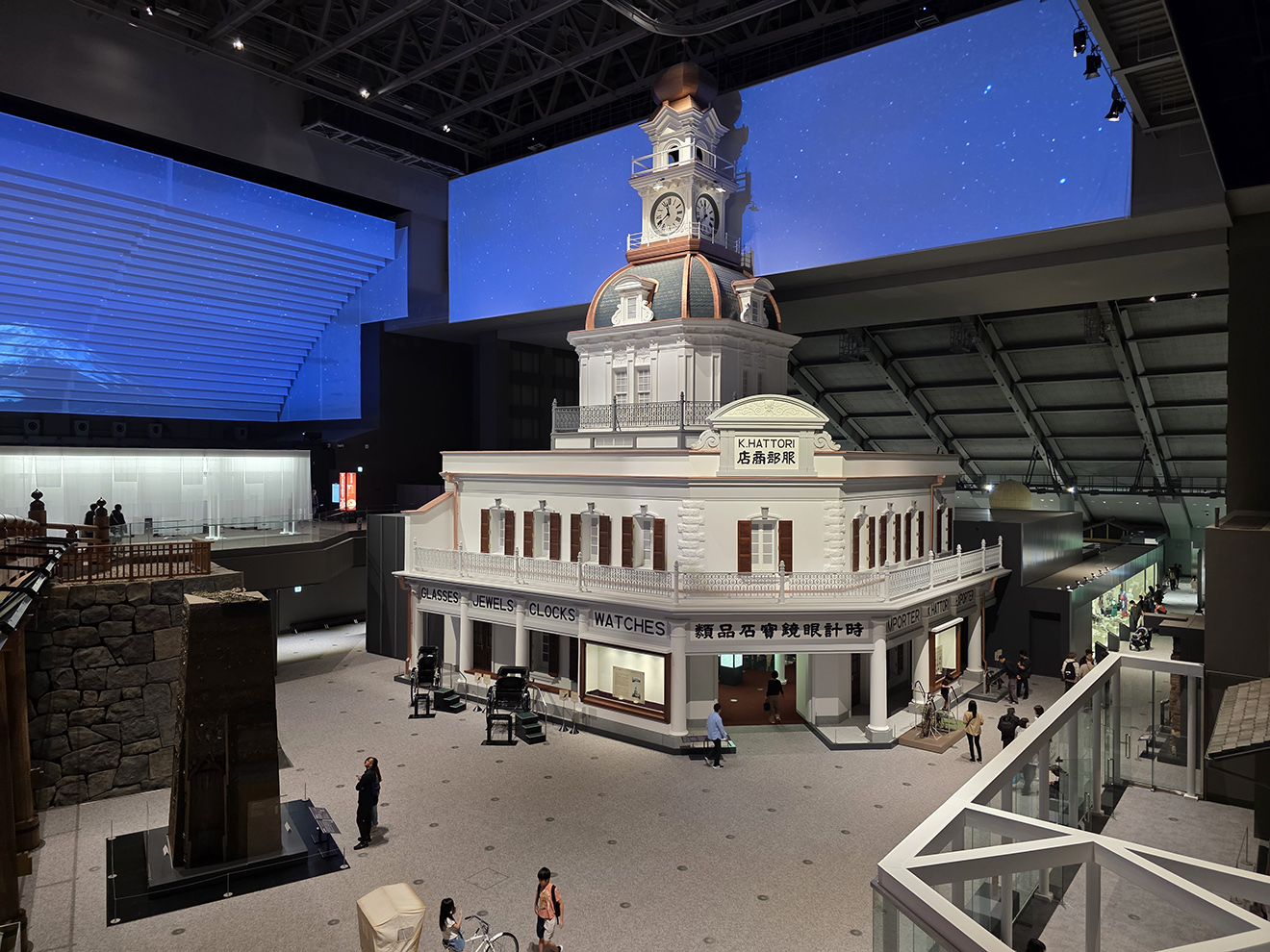
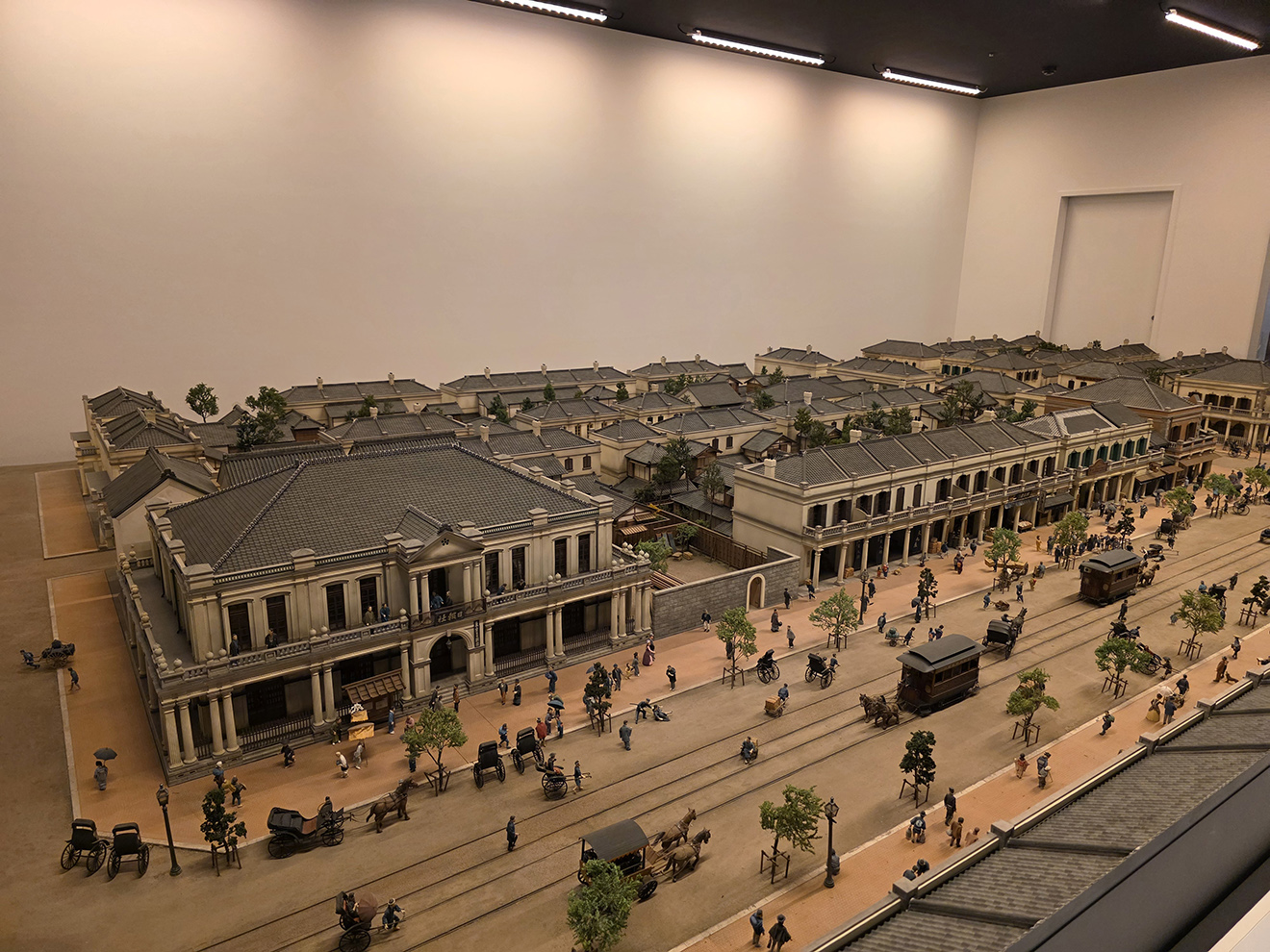
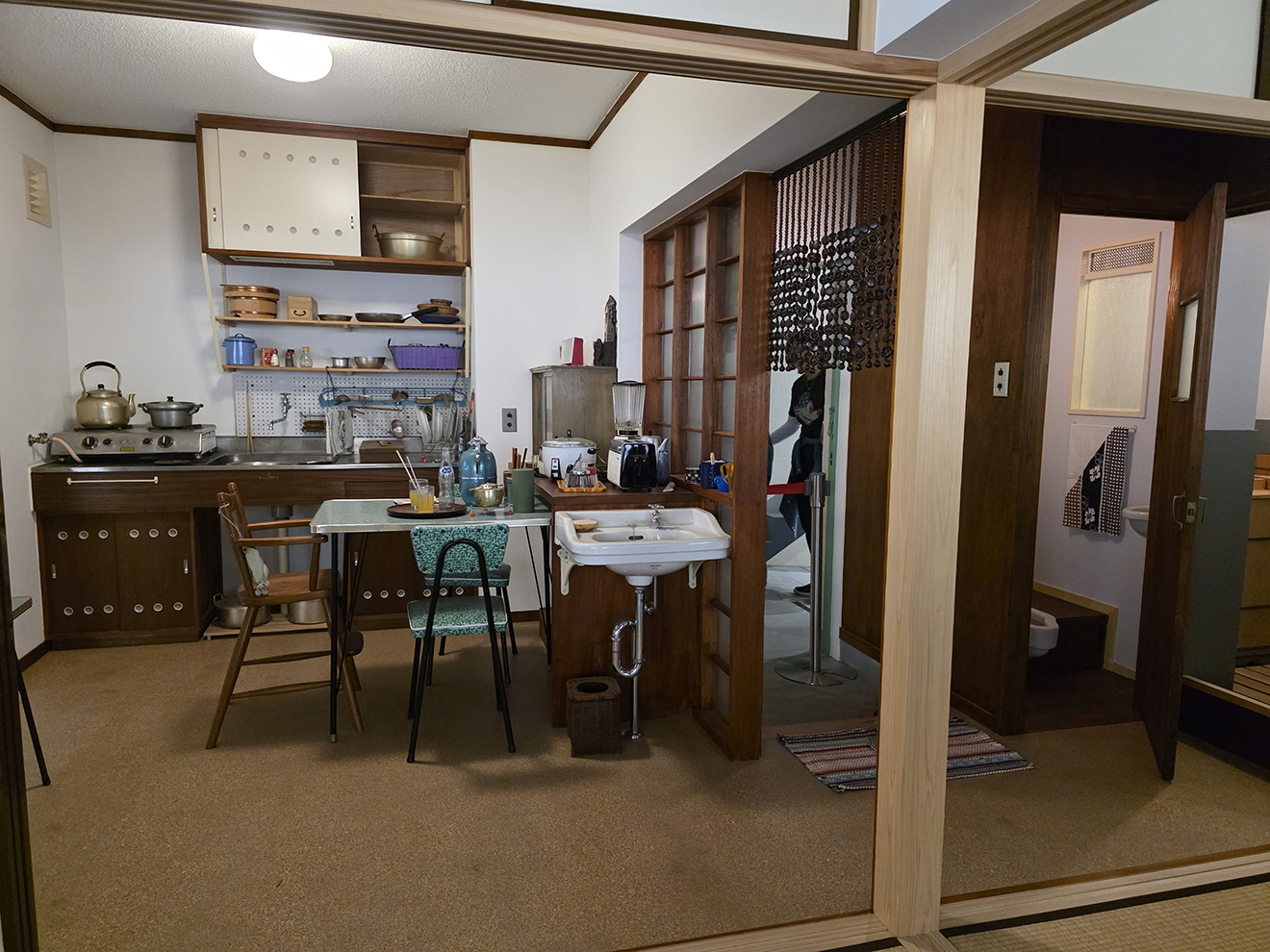
I got a little bit of a late that start that morning so by the time I got there, a lot of people were already lined up for tickets. As a note, it turns out you can buy tickets in advance online (I hadn't known that). It's not really necessary (even on a weekend, it probably won't sell out), but the ticket line moves kind of slowly so it's not a bad idea. I started off with the current special exhibit, which featured a number of items from Edo era Tokyo that aren't normally put on display, including screen paintings, toys and games, and scrolls. The theming wasn't entirely consistent, but there were some cool items. After that, I moved on to the main part of the museum. It's divided into two sections. The first is for Edo (Tokyo's original name), and traces the growth and development of the city after it became the capital (when the Tokugawa Shogunate took control of Japan, the capital was moved from Kyoto to reduce the power of the emperor and nobility). There's lots of models of parts of the city, life size recreations of various types of homes and businesses, and artifacts. The more important information is available in English and there's even an audio guide you can access on your phone. The Edo period ended more or less with the arrival of Commodore Perry and the end of the Shogunate, beginning the city's transition to Tokyo. Once again, there's a lot of models, recreations, and artifacts. The Tokyo era mostly focuses on the time between Commodore Perry and the end of World War II, though there's a little bit about more modern times as well. Over all, the museum is very interesting and well done, and features pretty good English language support. Though, while there are some interactive elements, younger kids would probably get bored.
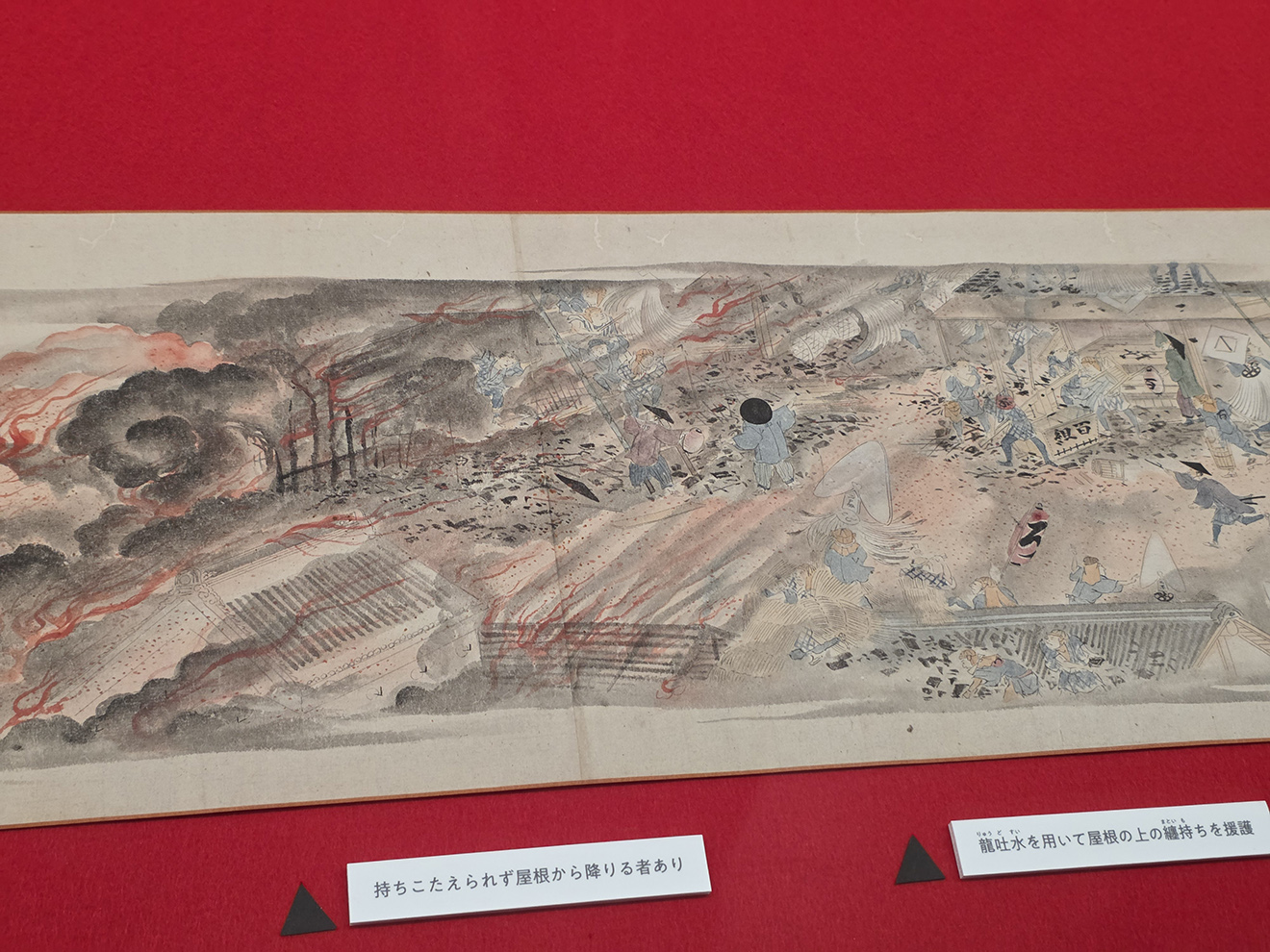
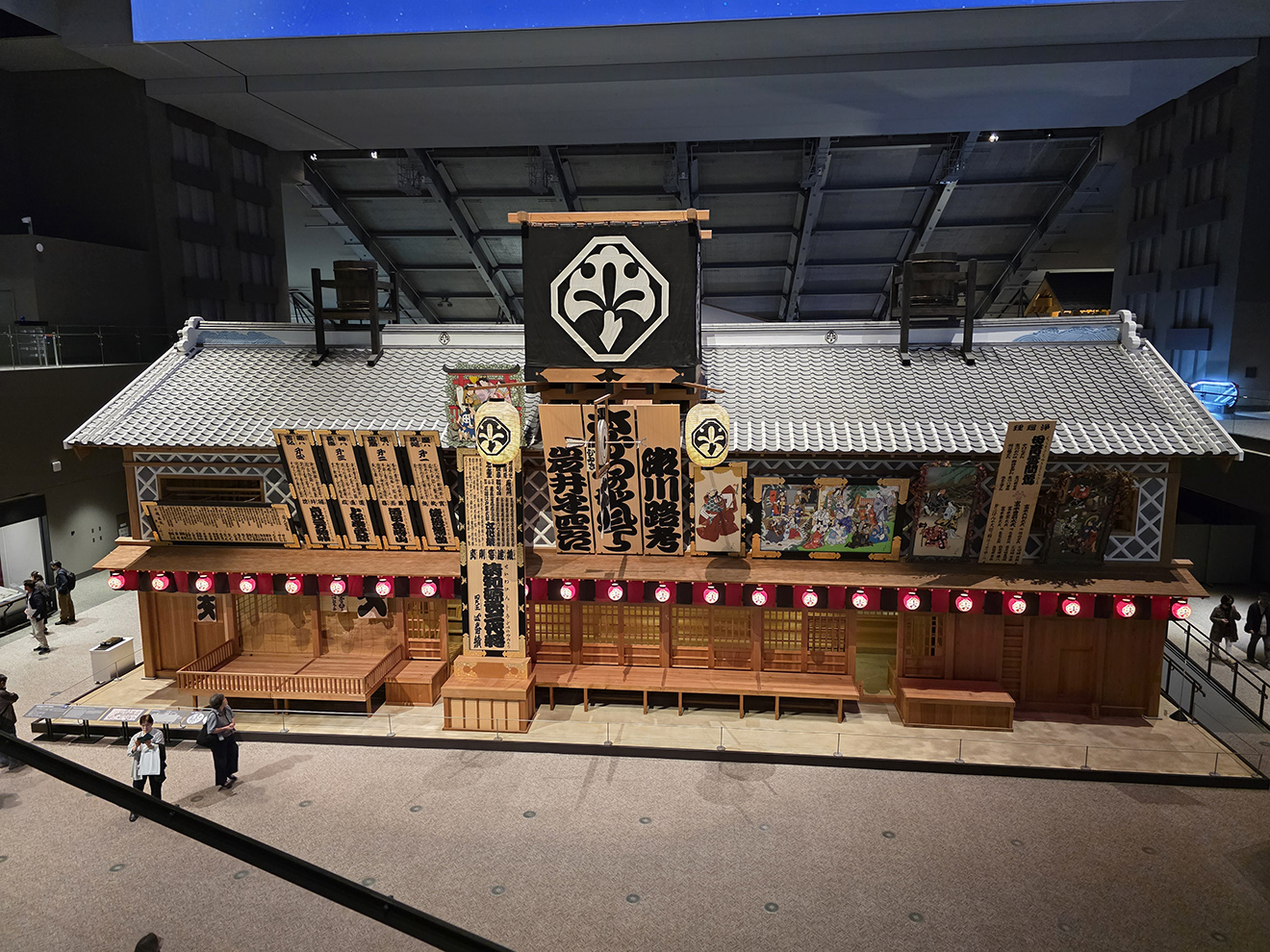
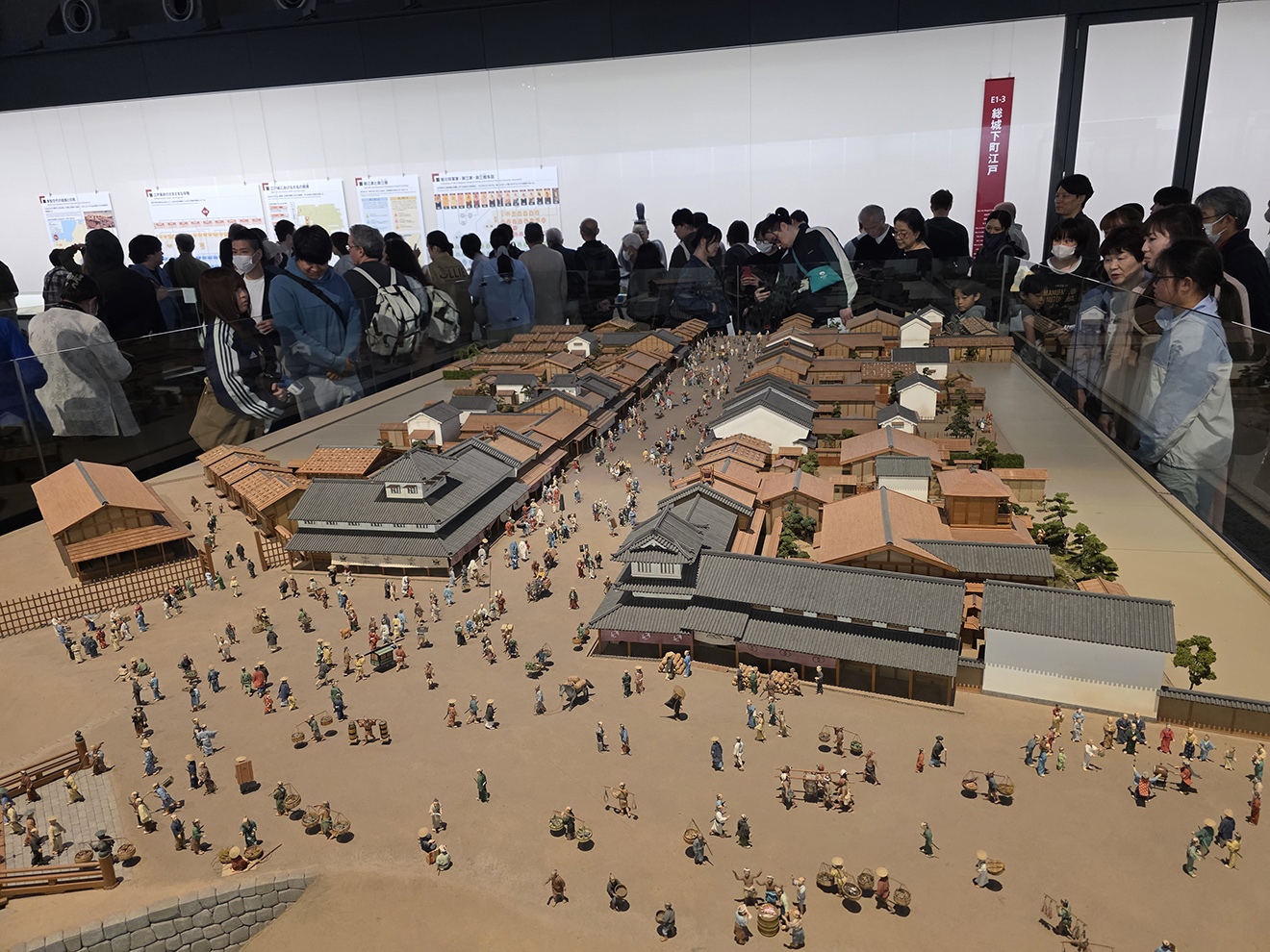
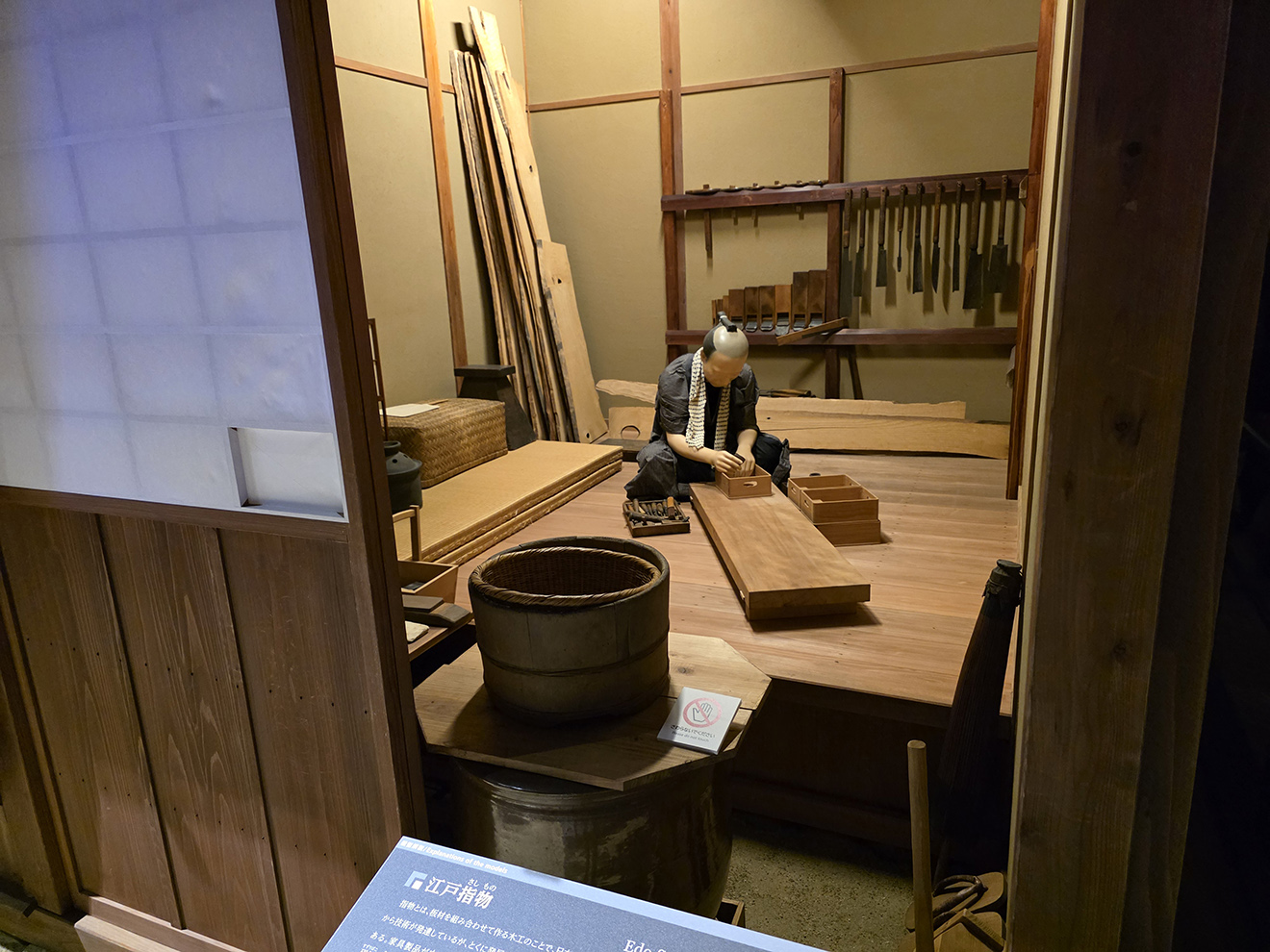
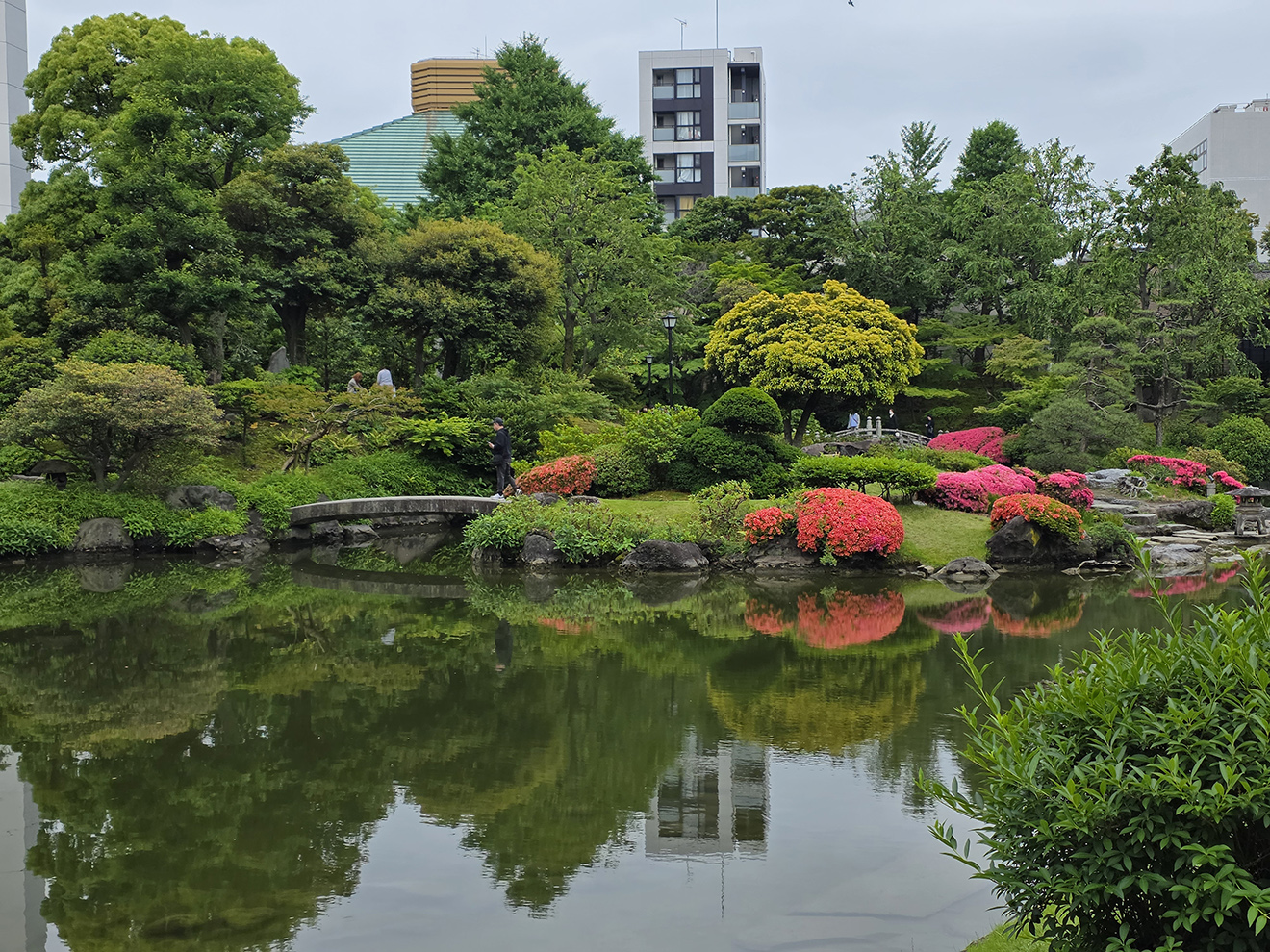
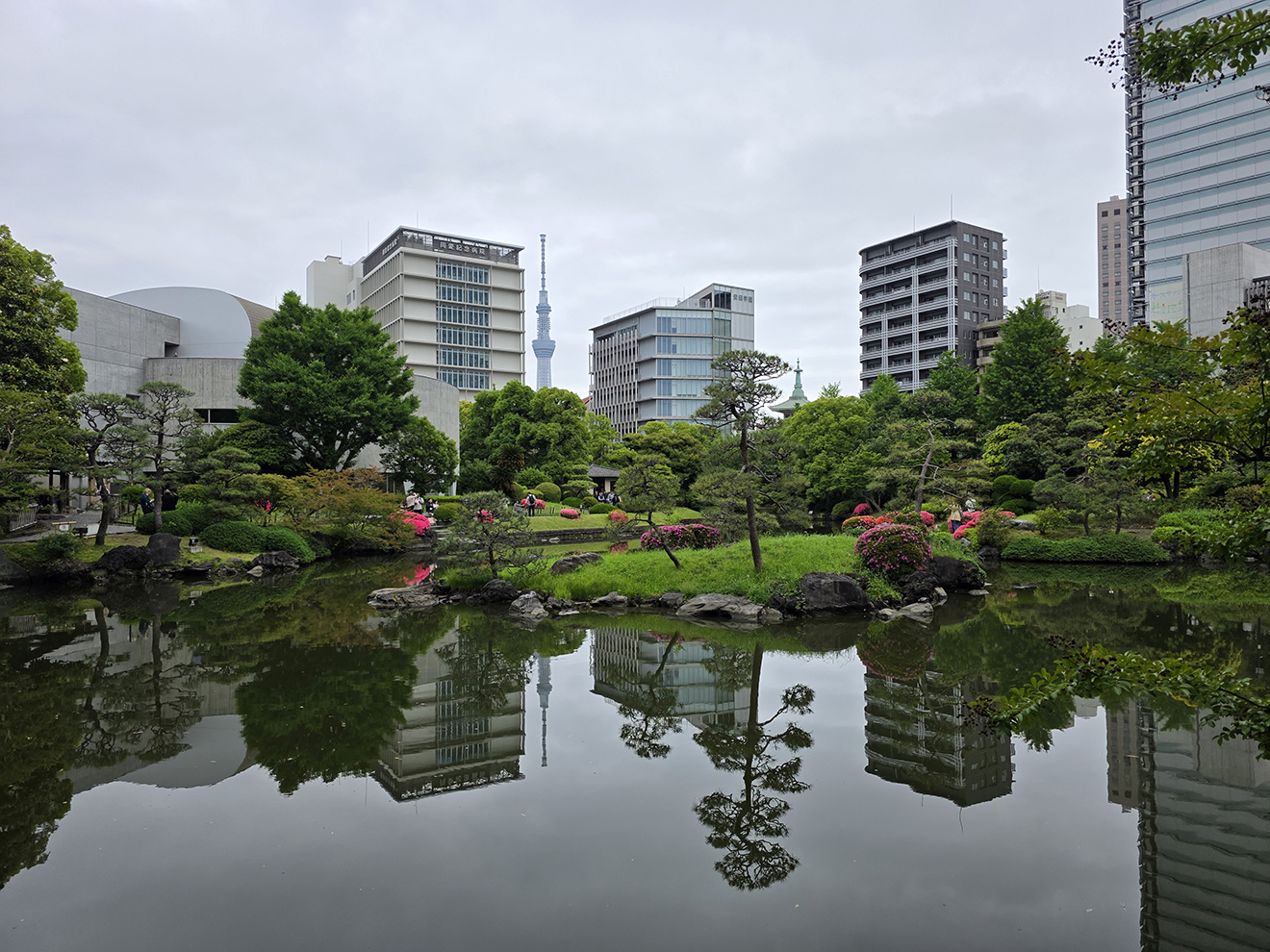
I had a few options for what to see next, one of which was pretty close by. It turned out there was also a garden right next door so I decided to take a quick look there first. I hadn't really been expecting much, but Kyu Yasuda Garden pleasantly surprised me. While not especially large, it's quite picturesque and I had an enjoyable stroll around the pond before moving on to the Japanese Sword Museum.
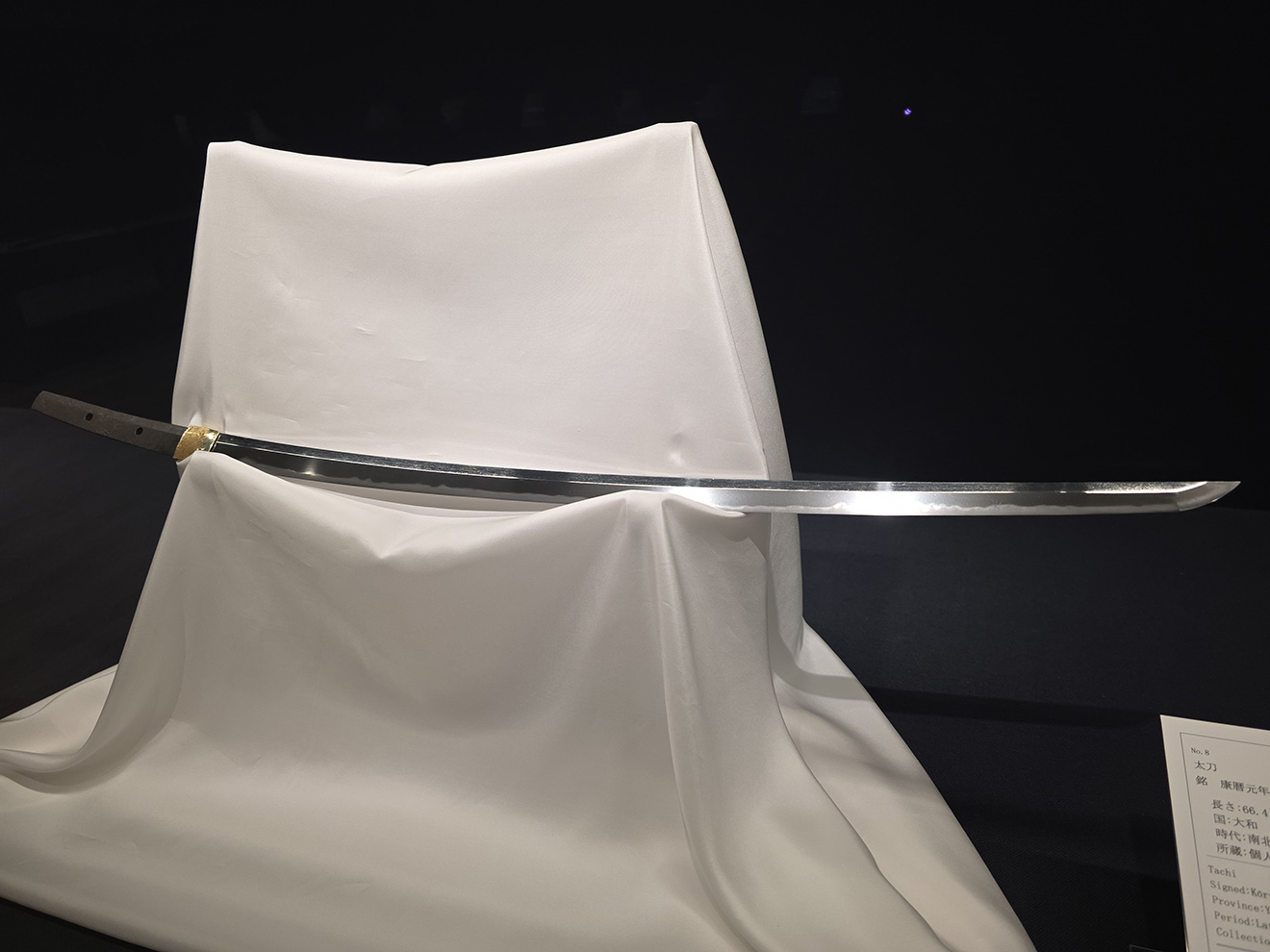
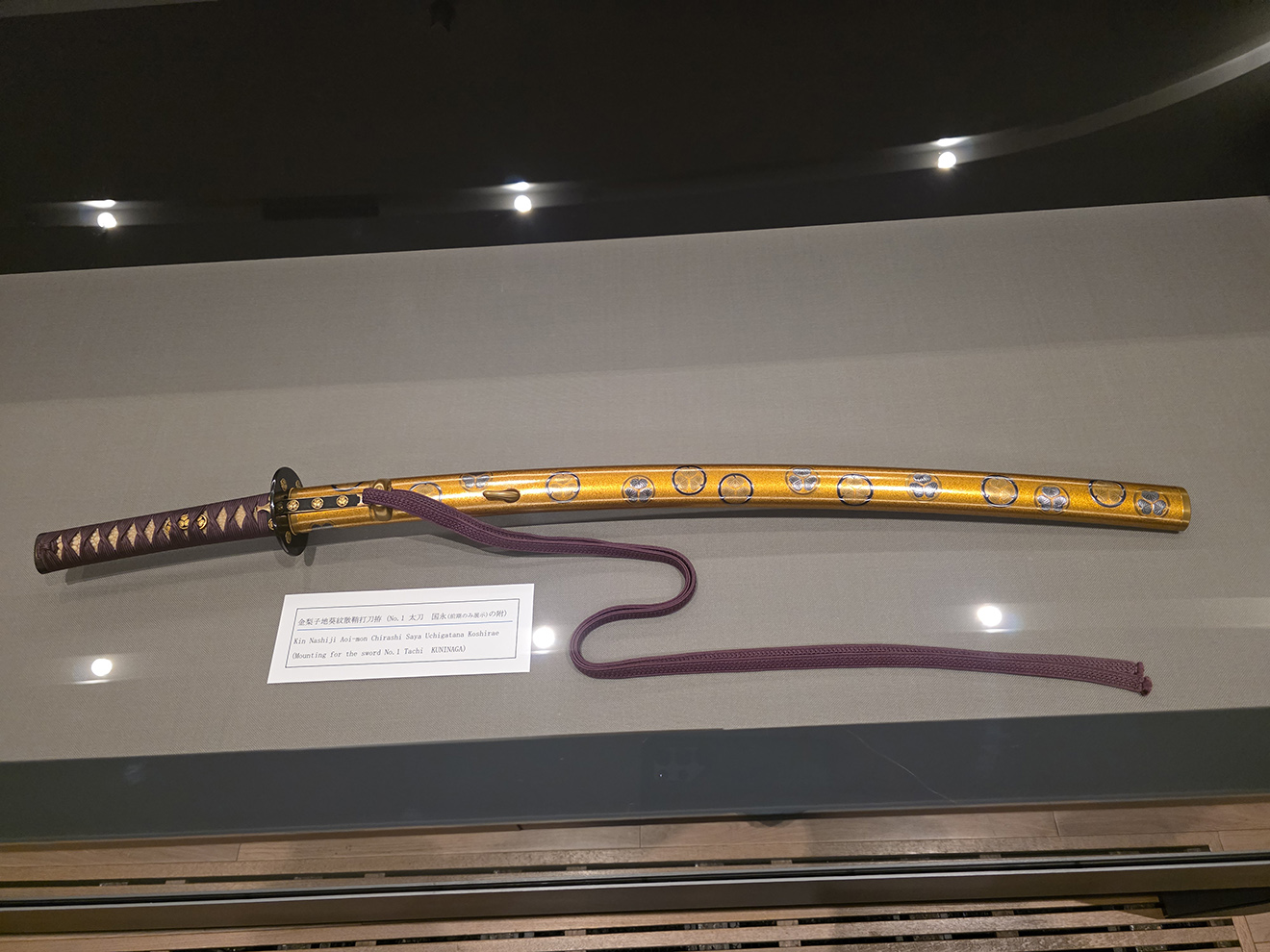
This is another place I visited a long time ago, but that was before it had its current building. It's a lot bigger and nicer now, though still a rather small museum over all. As the name suggests, it houses a selection of Japanese swords, some dating back over 800 years, all of which are particularly fine and important examples of the craft. Each sword features a brief write-up about the blade itself and the swordsmith who made it (you can download a pdf with English translations). It's well done, but unless you like looking at and reading about a whole lot of blades (and a much smaller number of sheaths), it might not hold your attention for long. While I did like the display, I wish they would have devoted more space and time to how the swords are made (there is a section on that, but it's very small), and perhaps the history of Japanese swordsmithing.
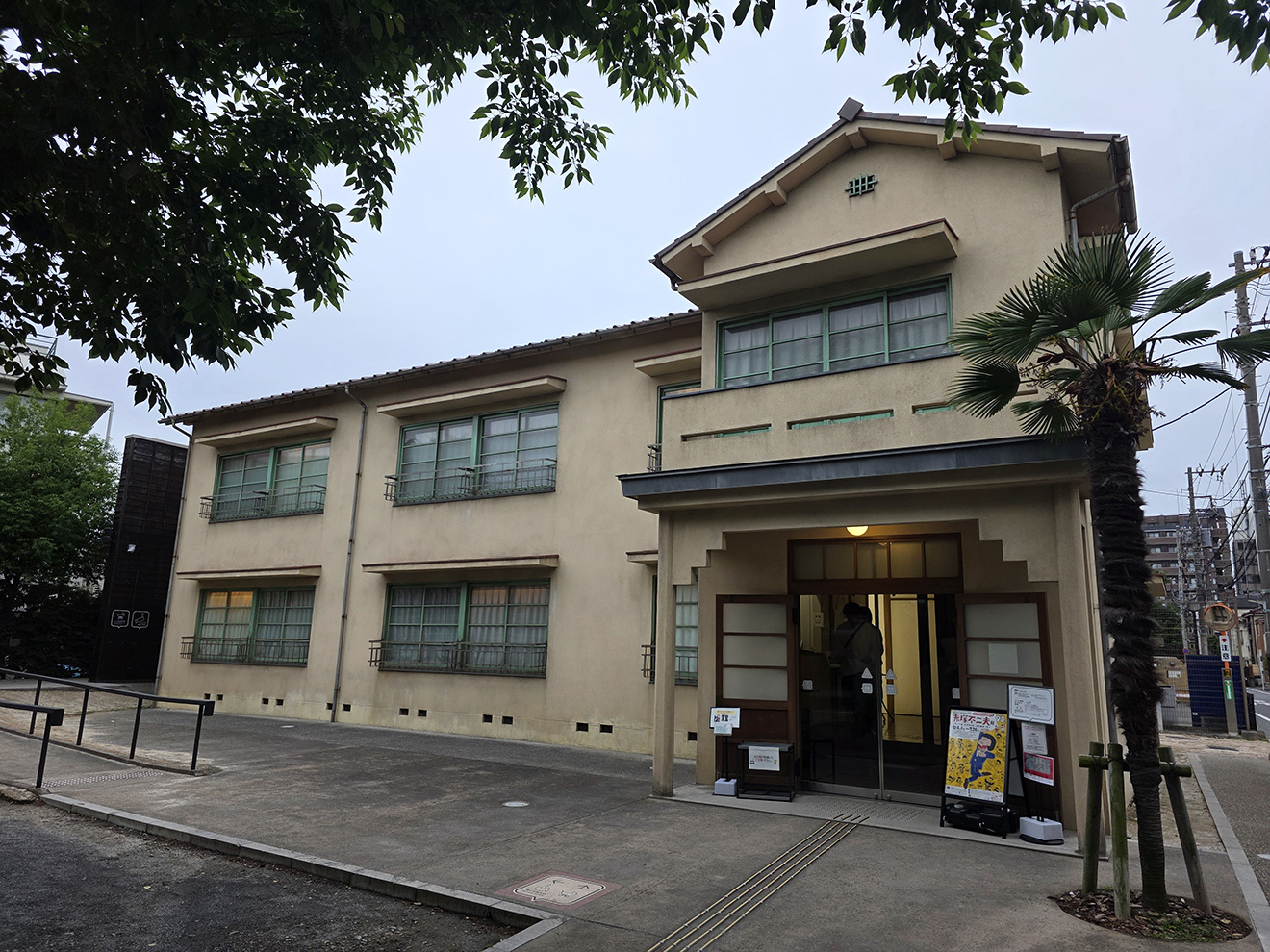
When I finished, I saw that I had just enough time to visit one more museum, so I hopped a train to the other side of the city to see the Tokiwaso Manga Museum. If it looks like an old apartment building, that's what it is. Well, sort of. Basically, there was an old apartment buildings there in the past that was home to a number of manga artists in the 50's and 60's. Many of them, while very influential in Japan, aren't particularly well known in the US. But the most famous of all was Osamu Tezuka (creator of Astro Boy, Phoenix, and many others). The current building is a recreation designed to show how the manga artists lived, recreating not just the building and common areas, but even some of their rooms. It's rather interesting, and there was better English support than I would have expected. Though, like I said, there's a good chance you won't actually be familiar with many of the featured artists.
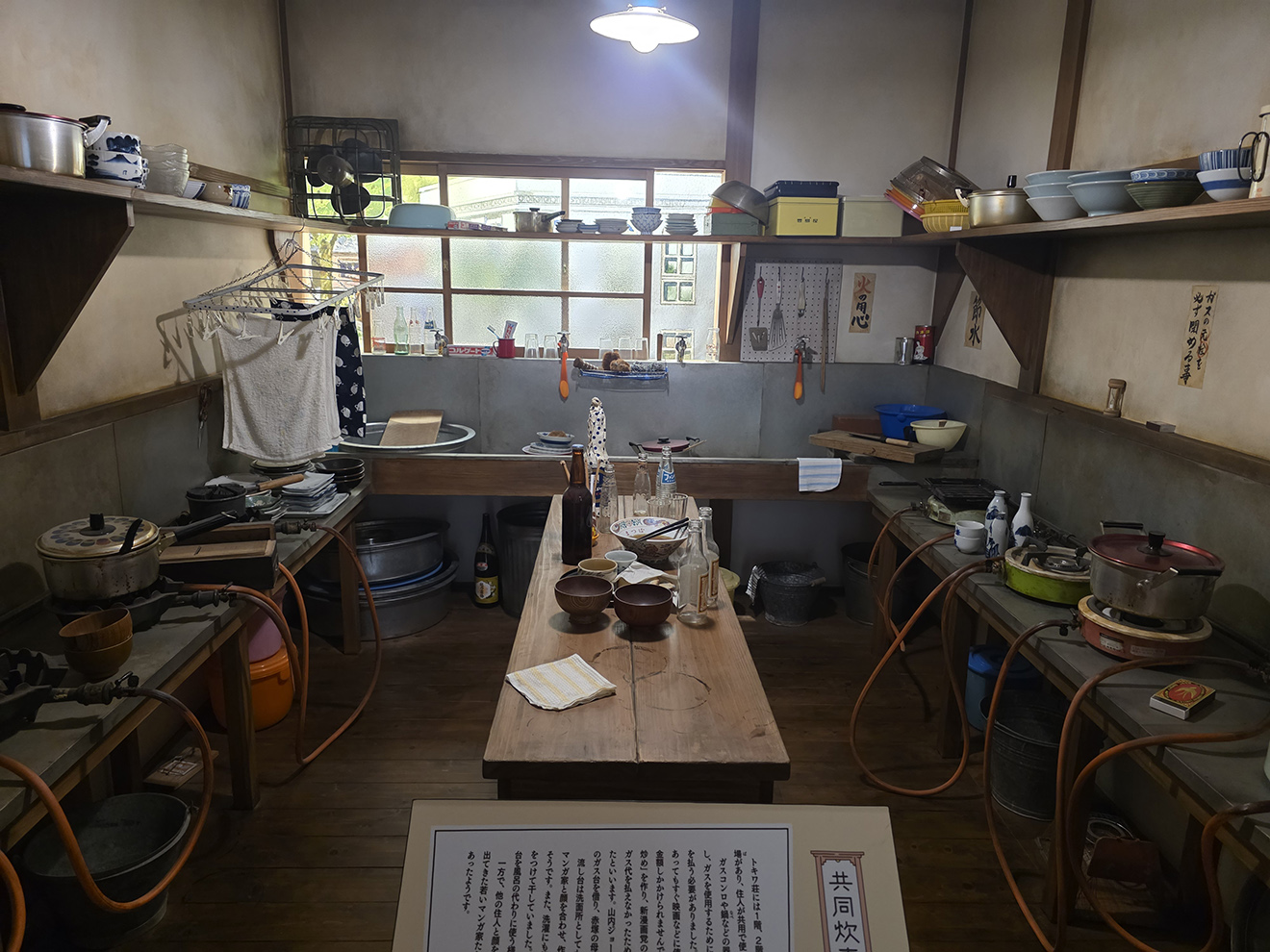
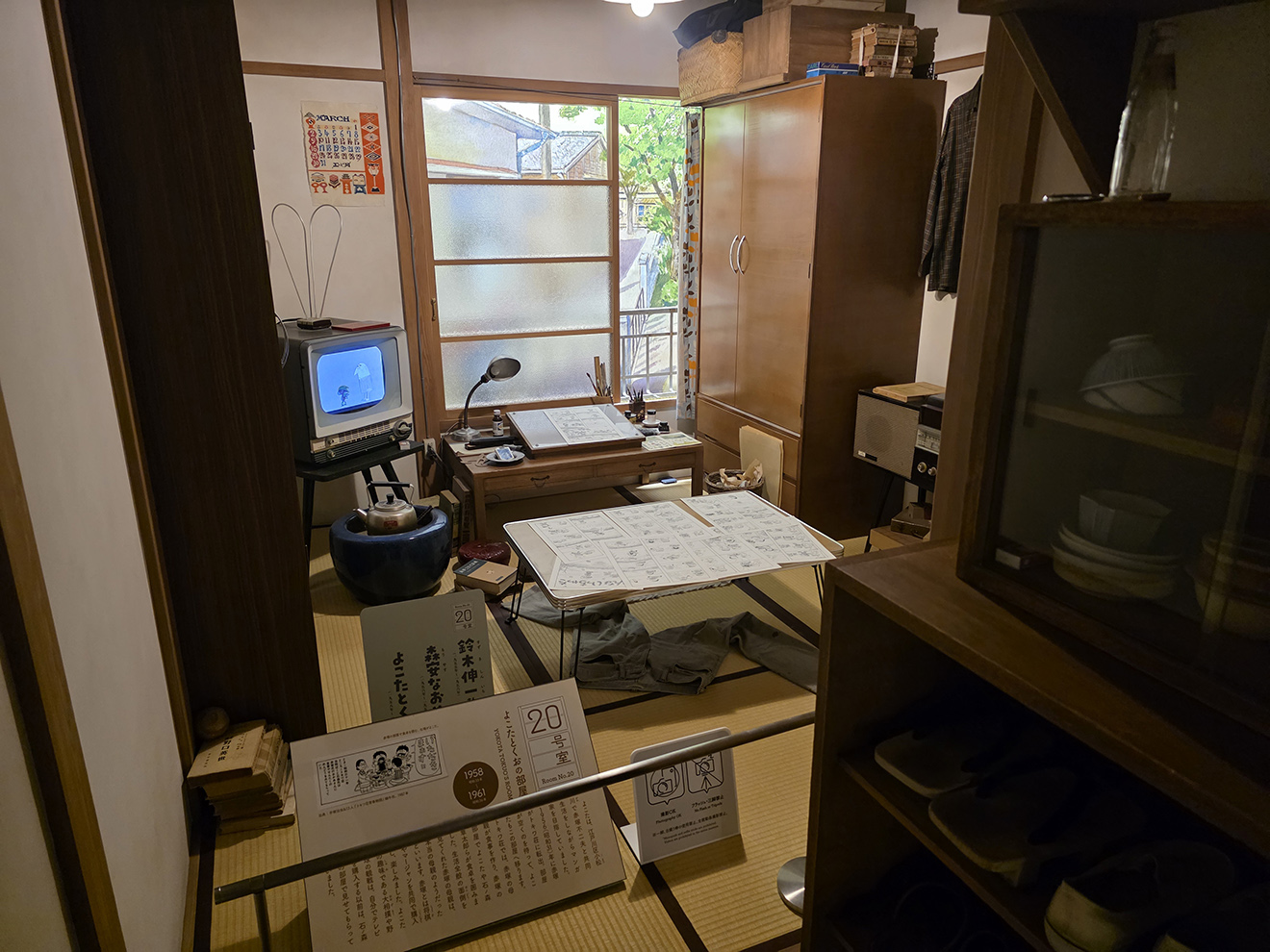
After that it was time to head back, get something to eat, and spend some time catching up on this travelogue. Or at least, that's how it was supposed to go. Instead I had to stay up half the night and make a trip to a hospital. Now, this was actually my first time visiting a hospital in Japan. I never had to go when I lived here and, while there were a few students who requested hospital visits in previous years, it always ended up being either the other professor I work with, or our assistant from the university's travel office, who went with them. So while I was often involved a bit with the discussions, in the end my job was always to stay with the other students and keep things moving. This time though I had to go. Without getting into detail, it turned out ok. Nothing too serious and it was all taken care off. I'm not very confident in my medical Japanese, but since it was an international hospital, the staff spoke a decent amount of English so between that, my Japanese, and Google Translate, the process went pretty smoothly. Certainly not in a hurry to do that again though.
Random Japan Comment: Hospitals at Night
I've heard many times in the past about how great Japan's medical system is. My experience is somewhat limited though I will say that the doctors and other staff were good and I suppose that the out of pocket the price (while not exactly cheap) was quite reasonable for an emergency room visit. The problem is the timing. It's one thing if you have a medical problem during the day. There's plenty of hospitals and clinics. However, nearly all of them operate more or less on regular business hours and shut down entirely at night. Finding a hospital that's open at night time is really difficult. And even when you do, it will likely be limited to emergency room staff (and pricing) only. It doesn't help that operating hours listed on Google Maps for hospitals tend to be rather inaccurate. Even the hospital web sites themselves often aren't clear about their operating hours so you need to call them up directly. Honestly, finding a suitable hospital was far more challenging than the visit itself... On that note though, if you're on the Eastern side of Tokyo, I'd recommend St. Luke's. Not only do they have a 24 hour emergency service but, being an international hospital, they have pretty good English language support as well.
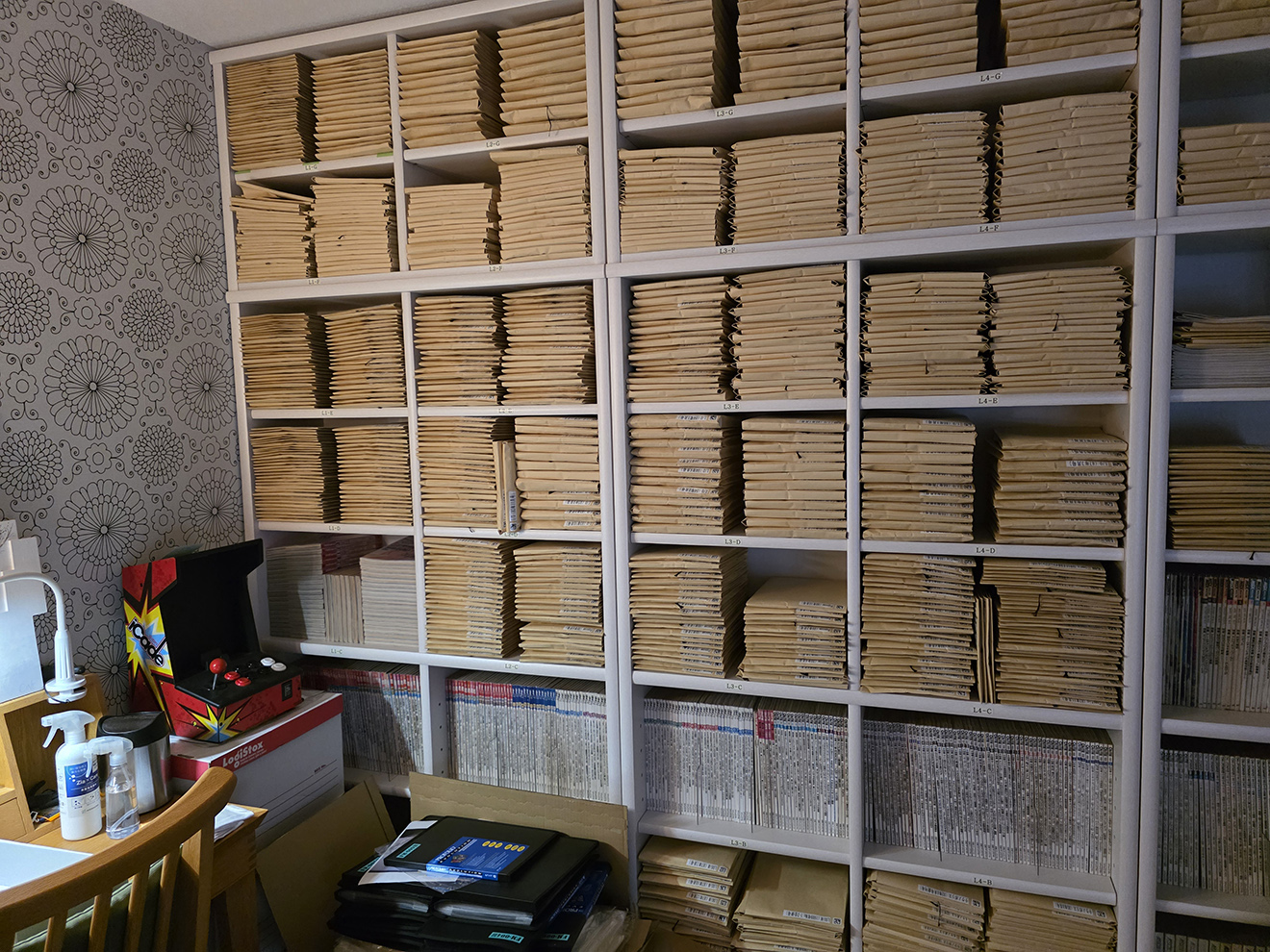
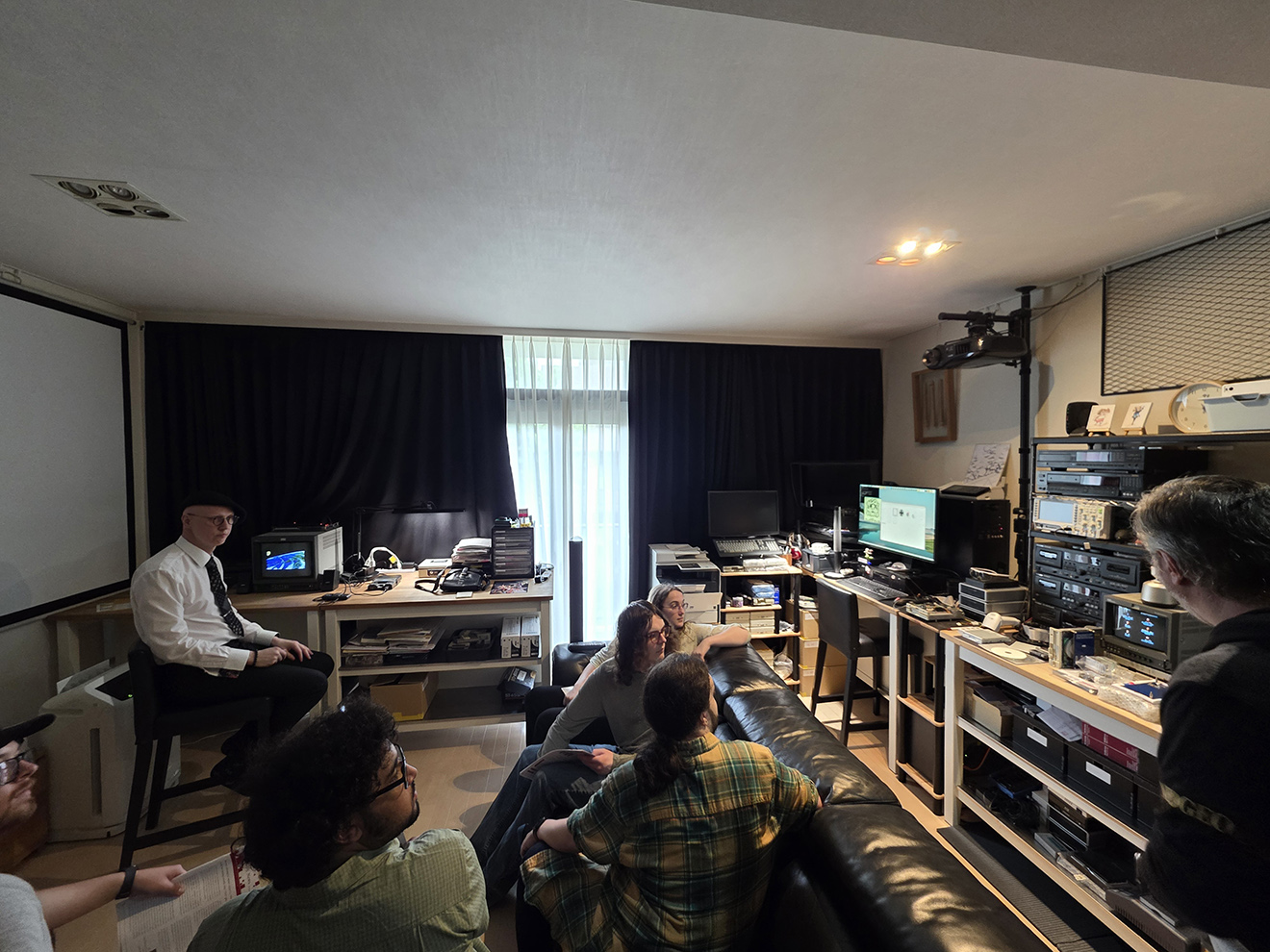
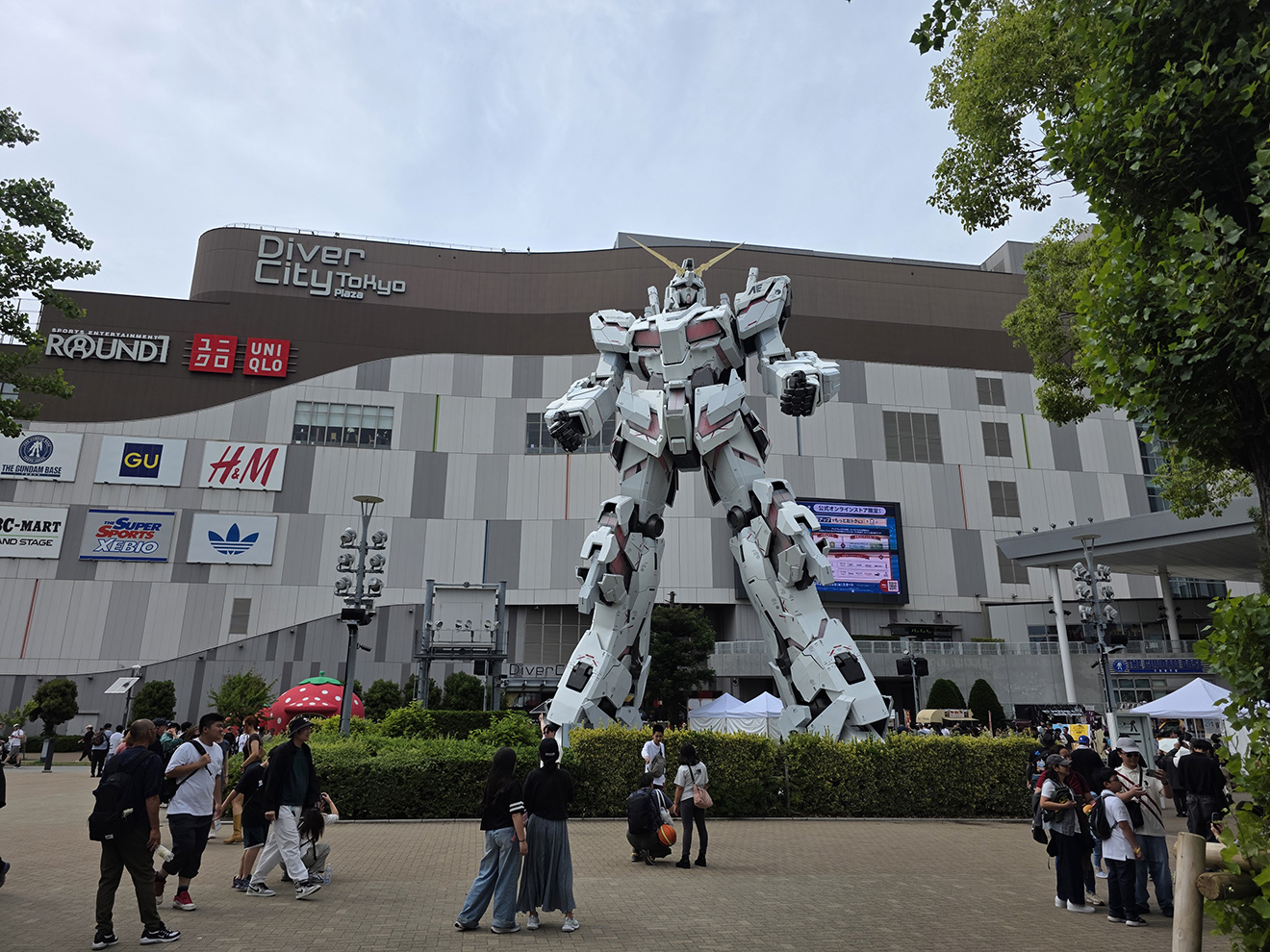
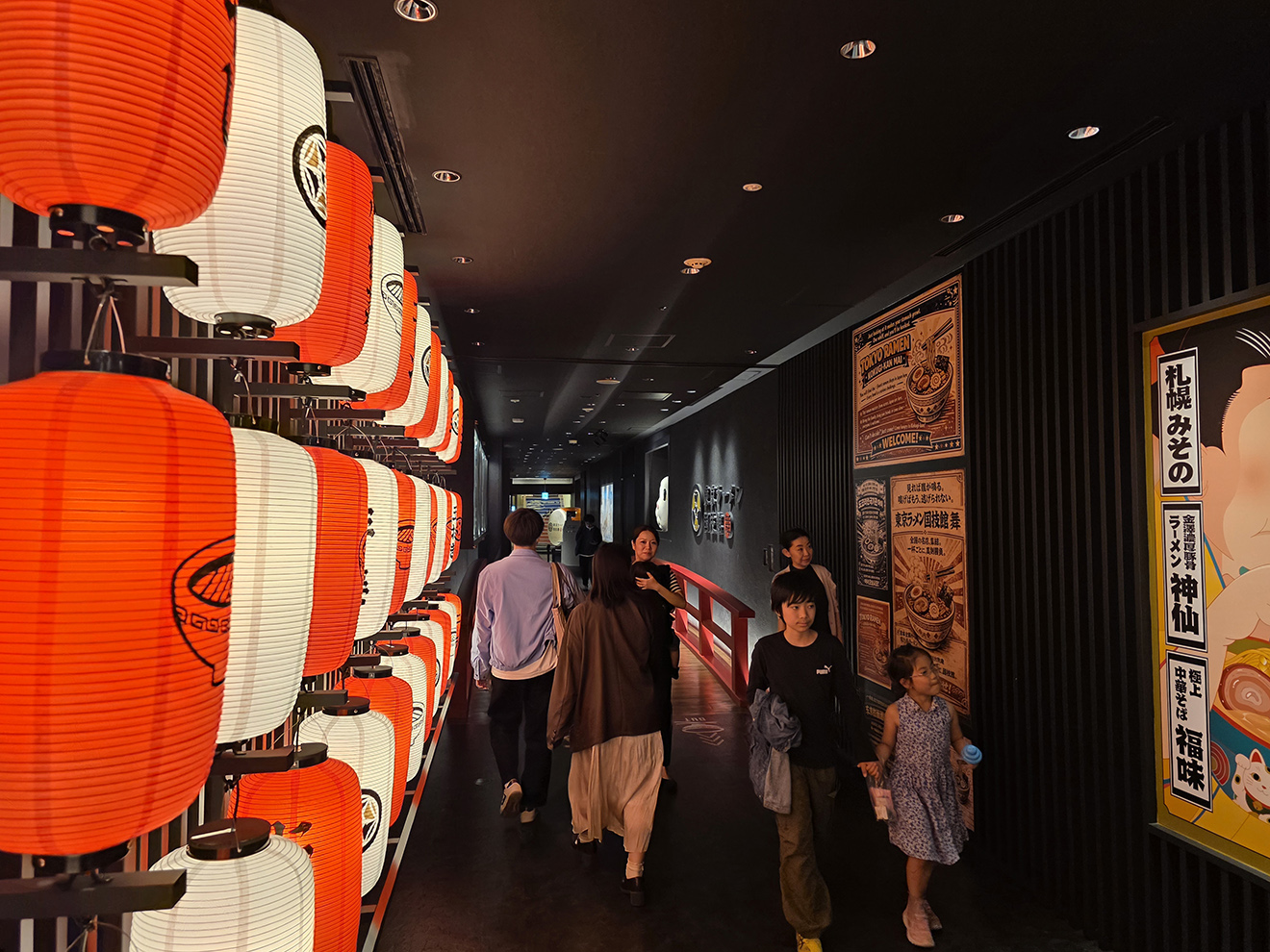
Due to space constraints, the GPS couldn't host our entire group at once, so we had to break into several smaller groups and stagger out visits over several hours. It was a bit complex logistically, but it all worked in the end. After their visit, we sent each group to Odaiba for the rest of the day. Once I made it there, I spent some time wandering around the malls and paid a last visit to the Unicorn Gundam, which is being taken away this fall (while they haven't announced anything yet, I suspect they'll replace it with another Gundam, like they did with the original RX model). I also noticed that the ramen hall in Aquapolis had gotten a refresh and now includes a lot of non-pork options, which made for a fun dinner. One notable new addition to the Odaiba area as a whole is the Tokyo Aqua Symphony, a fountain and water show that takes place on the bay outside Aquapolis. And, being Japan, some of the music includes things like J-Pop and themes from Dragon Quest. I wanted to watch the show again after dark, when they're supposed to add lights to the mix, but I was too tired so I headed back right after dinner to get some extra sleep.
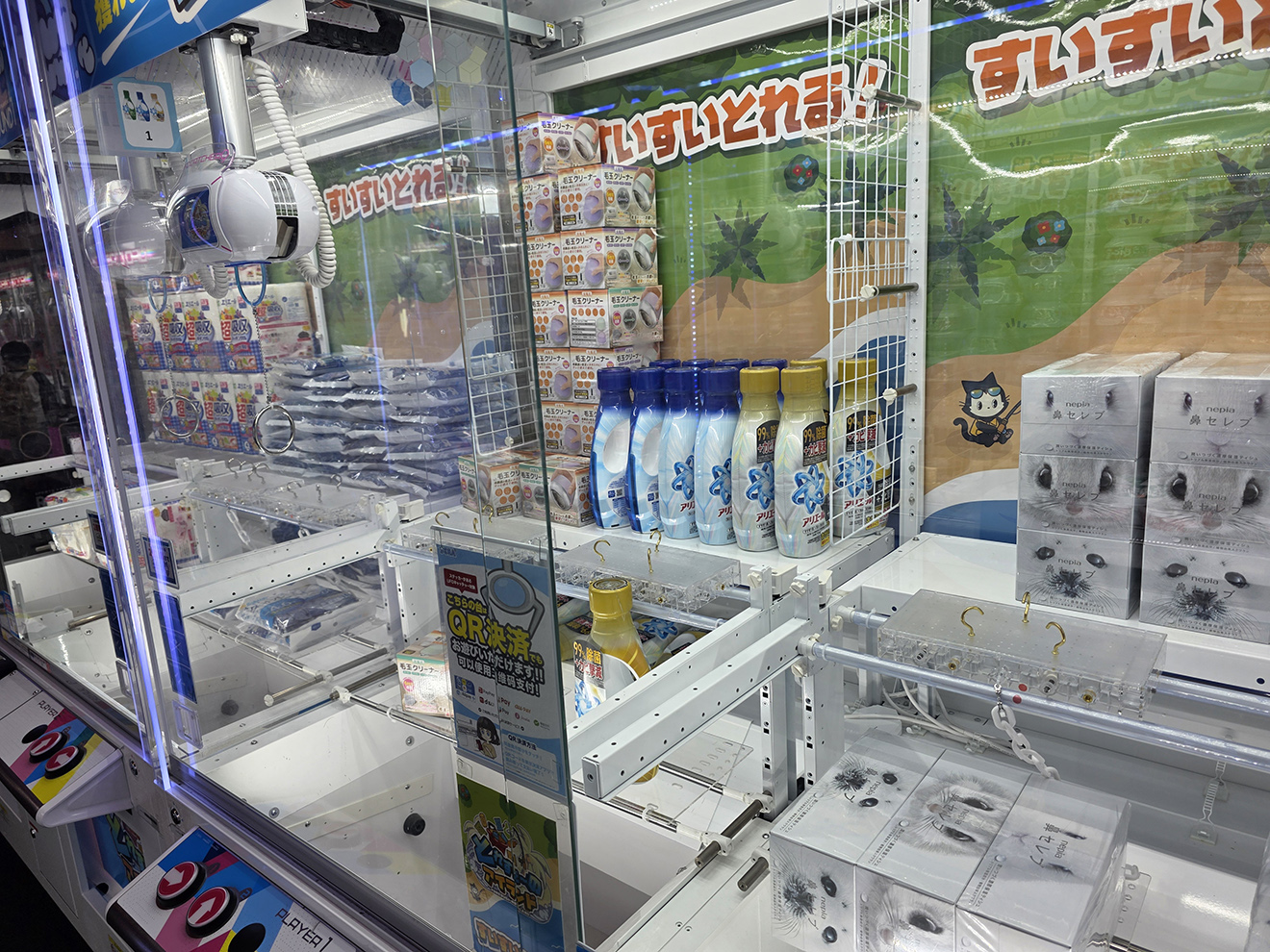
Random Japan Comment: Claw Machine Prizes
I've written about claw machines before, which are a staple of Japanese arcades. They generally give out plushies, figurines, or other toys. I even won a video game once. But there's also a surprising number that give out snacks, which always struck me as a bit odd considering that you could probably buy said snack in any convenience store for the cost of one or two rounds on the claw machine. And now I'm starting to see some machines stocking items like paper towels and dish soap. Why though? All those type of things are cheap and easy to obtain in a store. And I can't image anyone would get especially excited about winning a new tissue box. Maybe some people are getting a bit too addicted...
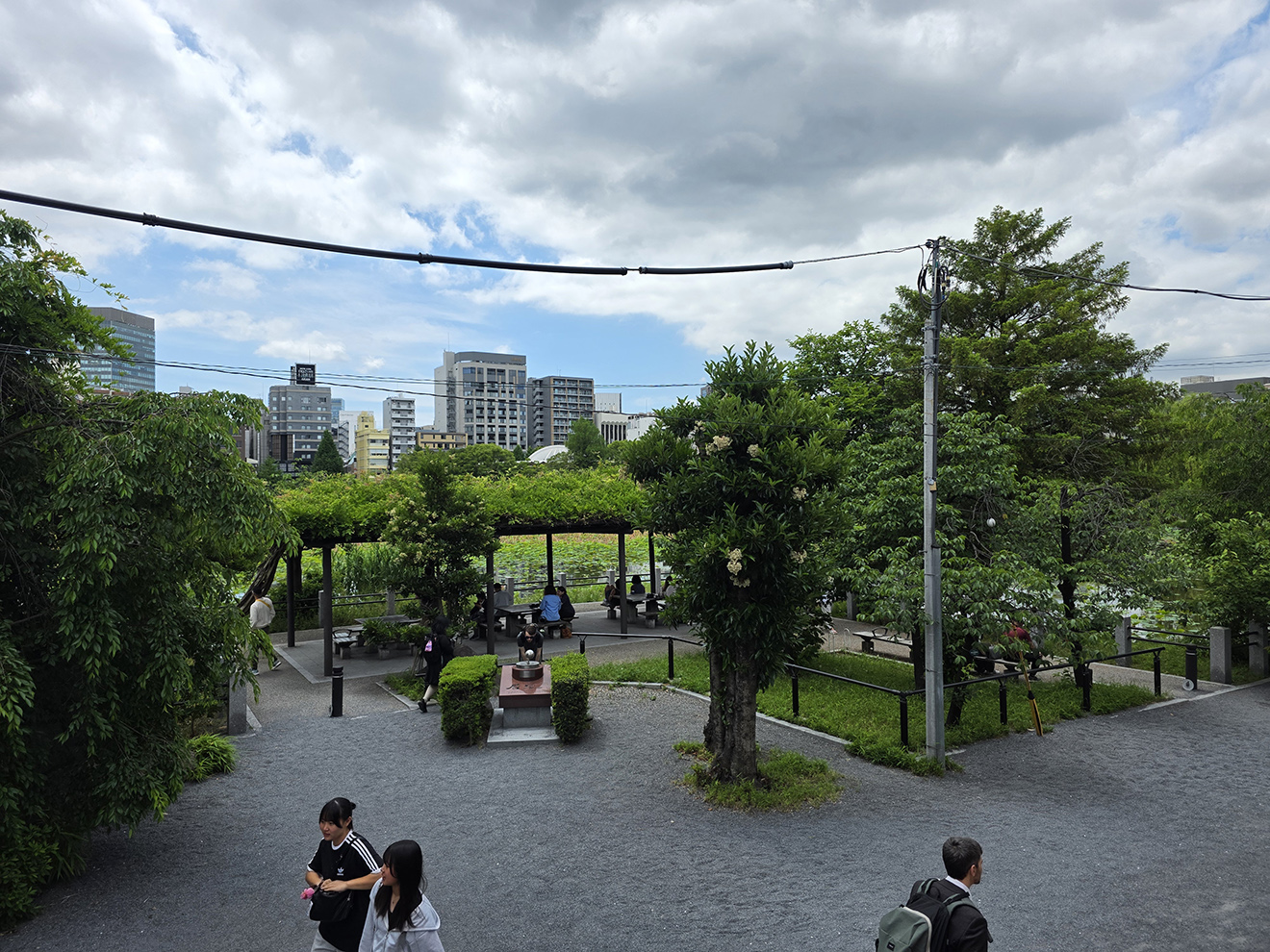
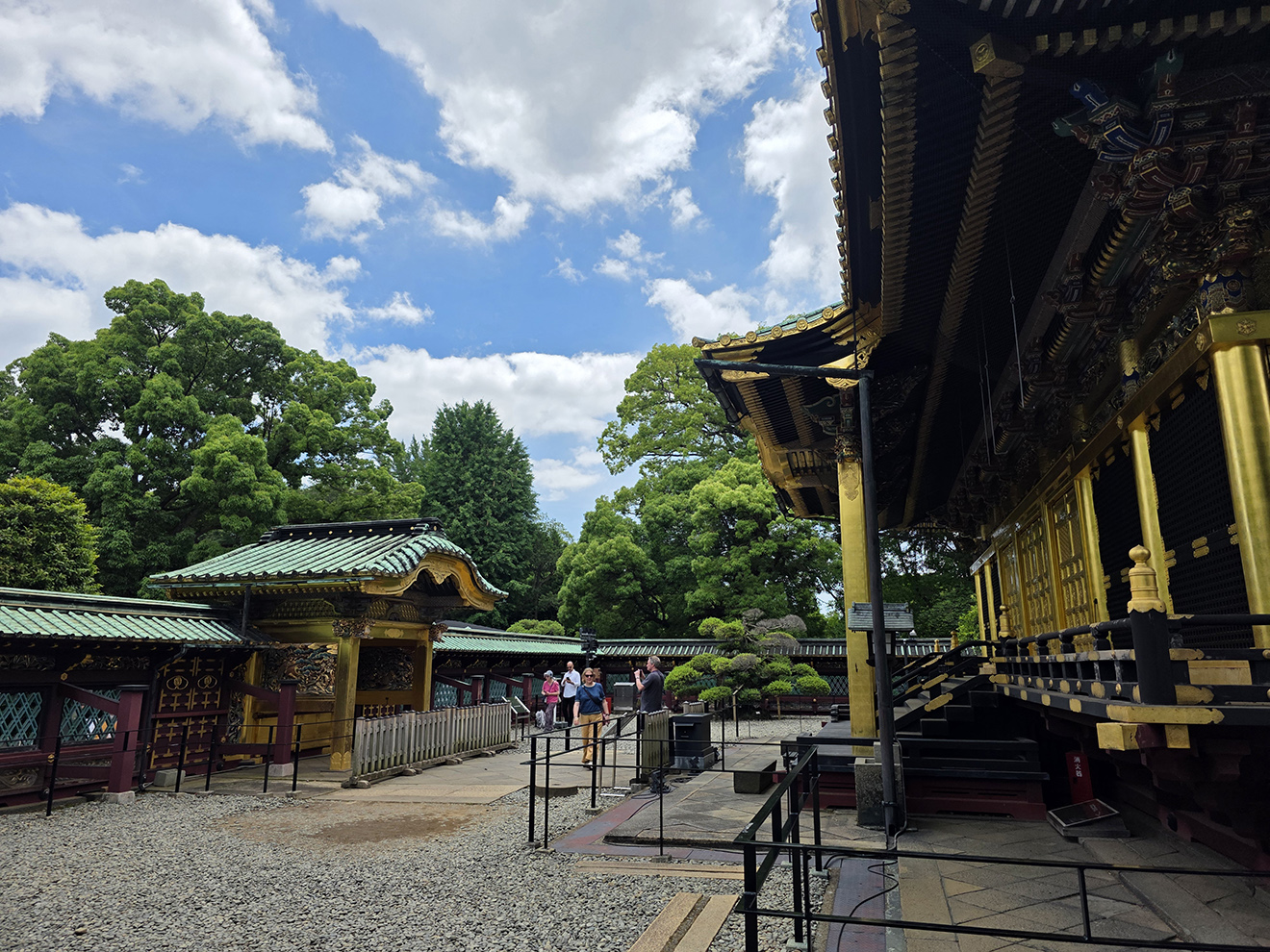
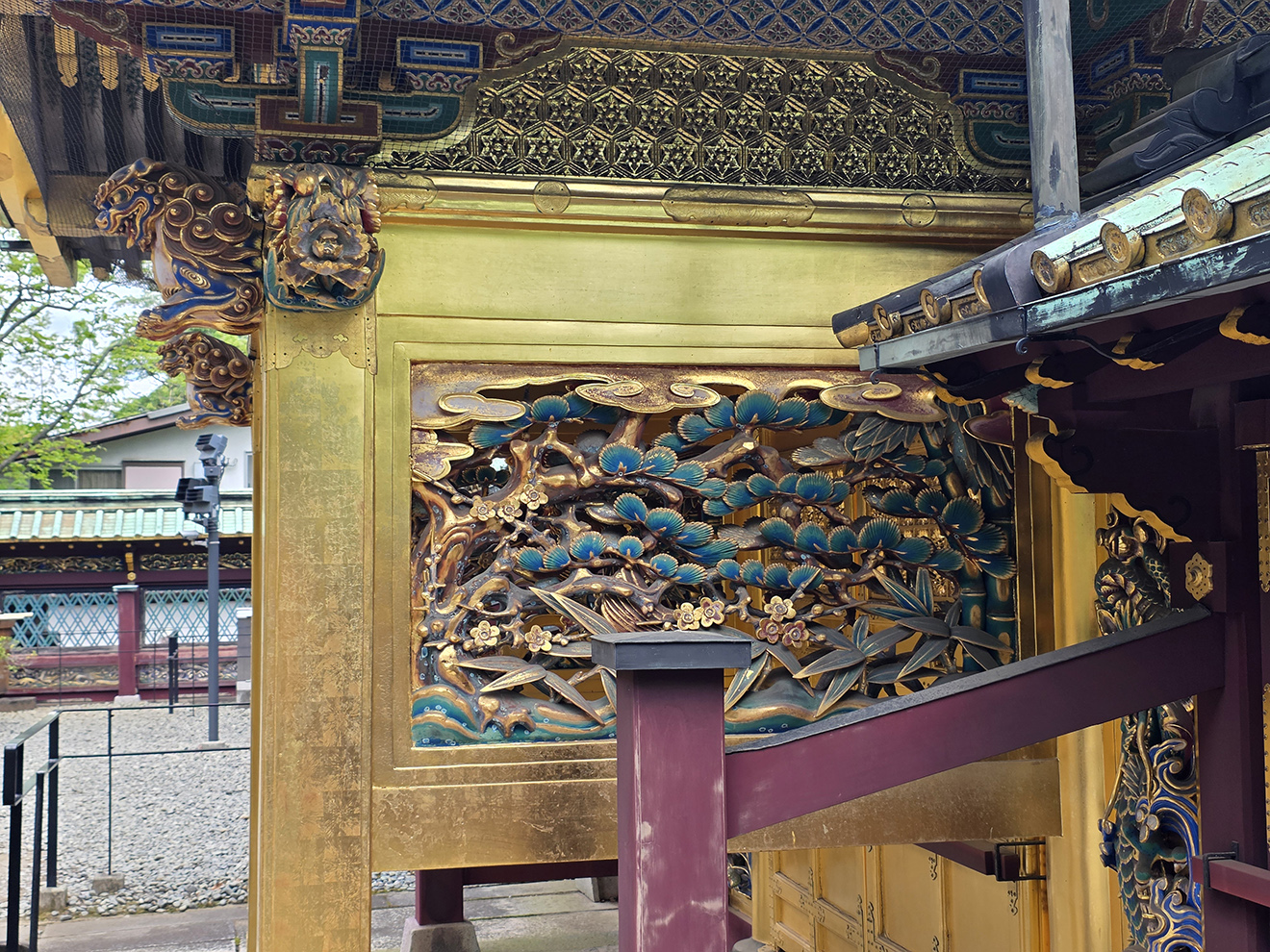
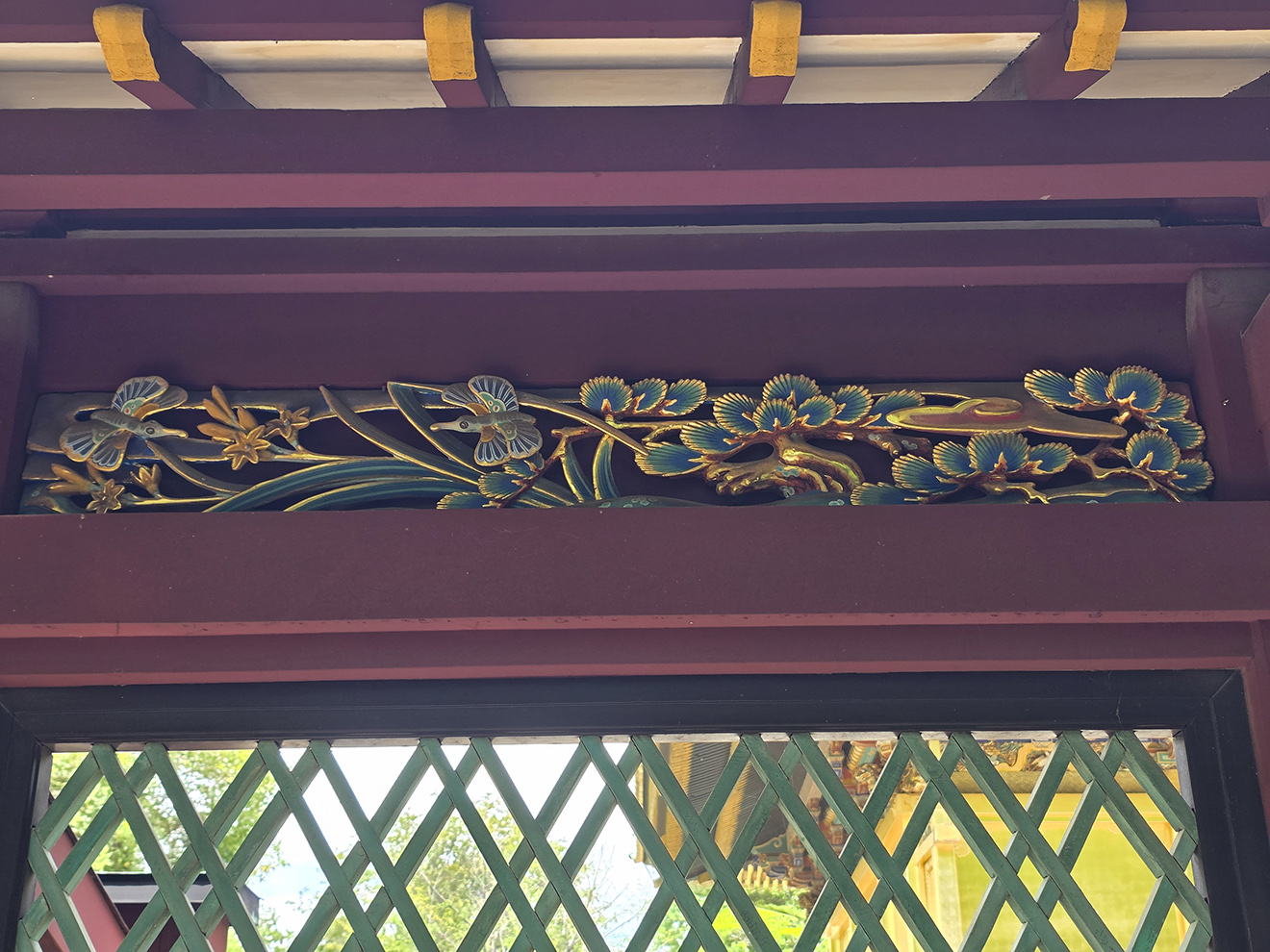
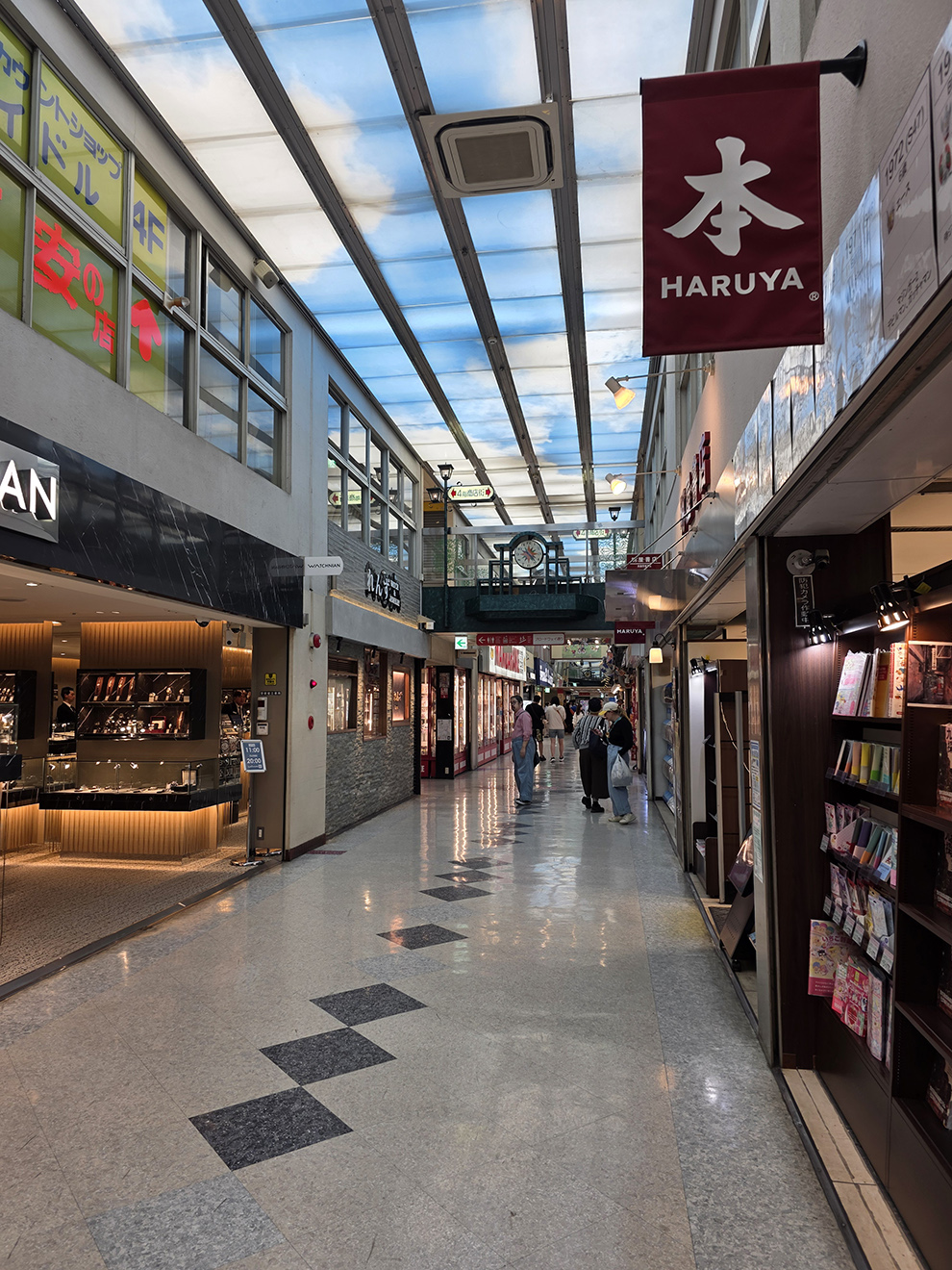
After that, we gave everyone some time to explore and get lunch in Ueno (I went back to that neat Chinese lamb restaurant I found last year) and then it was off to Nakano Broadway, which we'd had to skip last time around. No big changes there, but it's still a lot of fun to browse the shops in the mall and I found a few cool items for my collection.
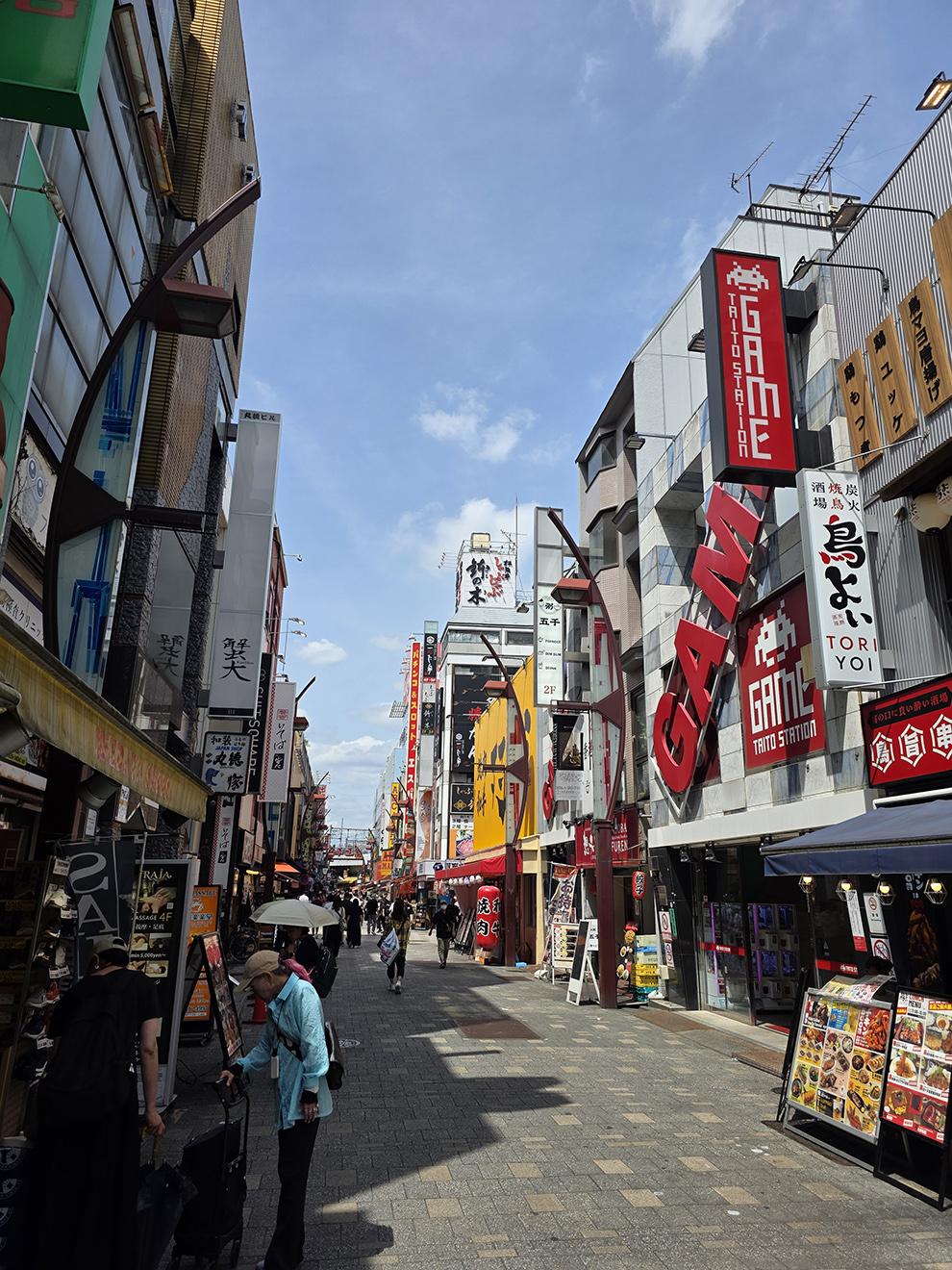
Meanwhile, the first round of content for Pokemon Go Fest had started so I spent a little time afterwards working on that before heading back to prepare for tomorrow.
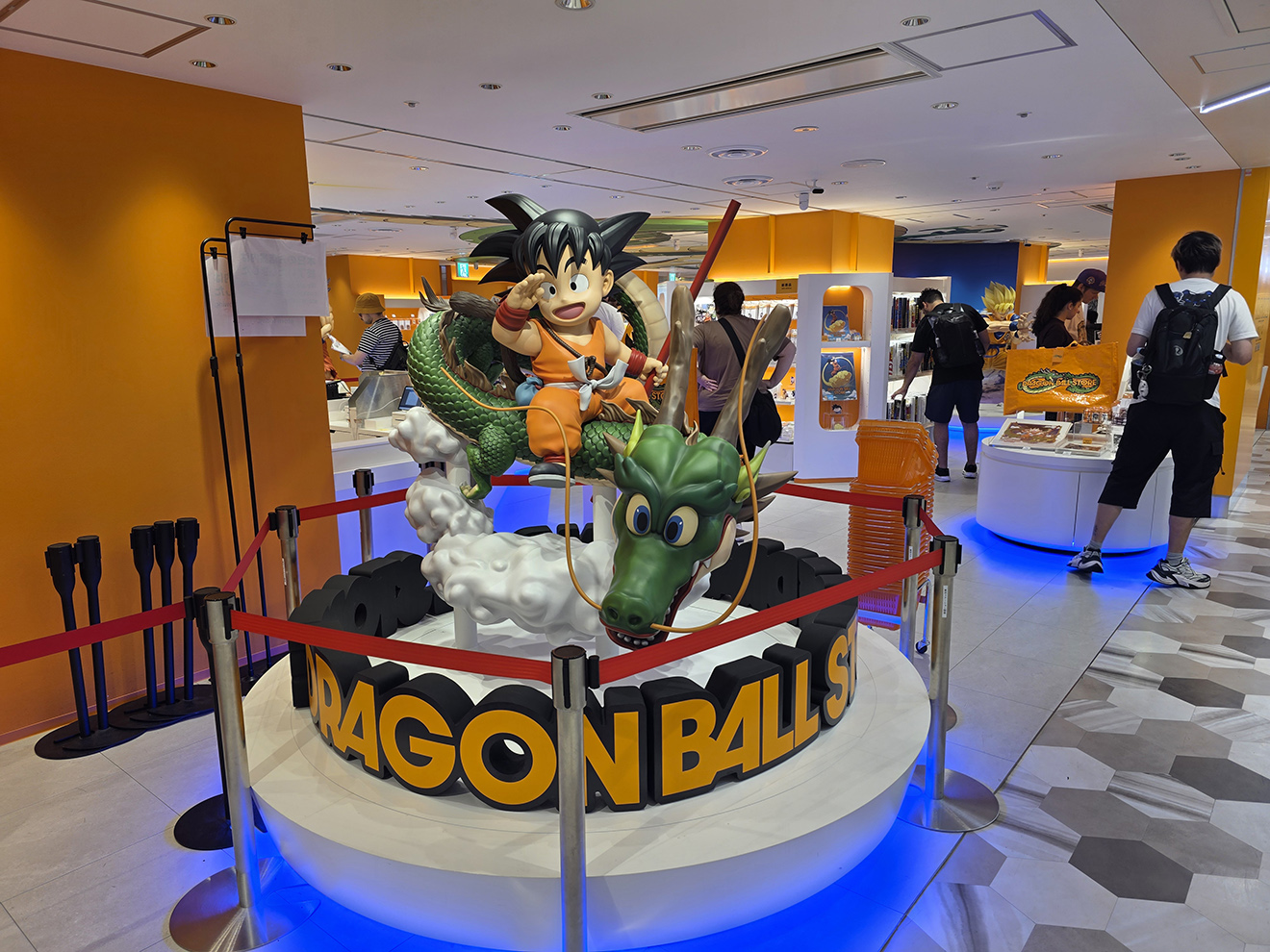
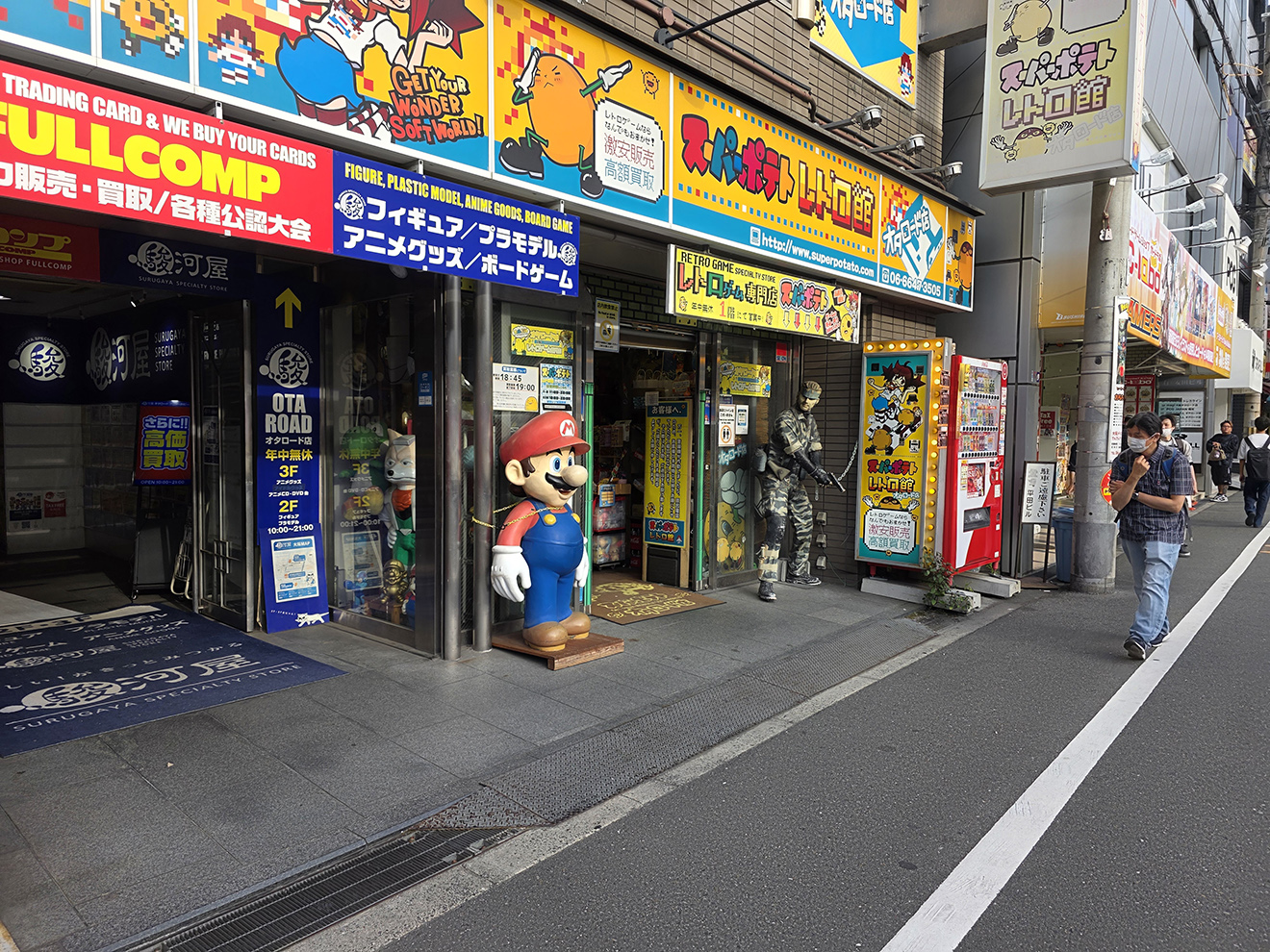
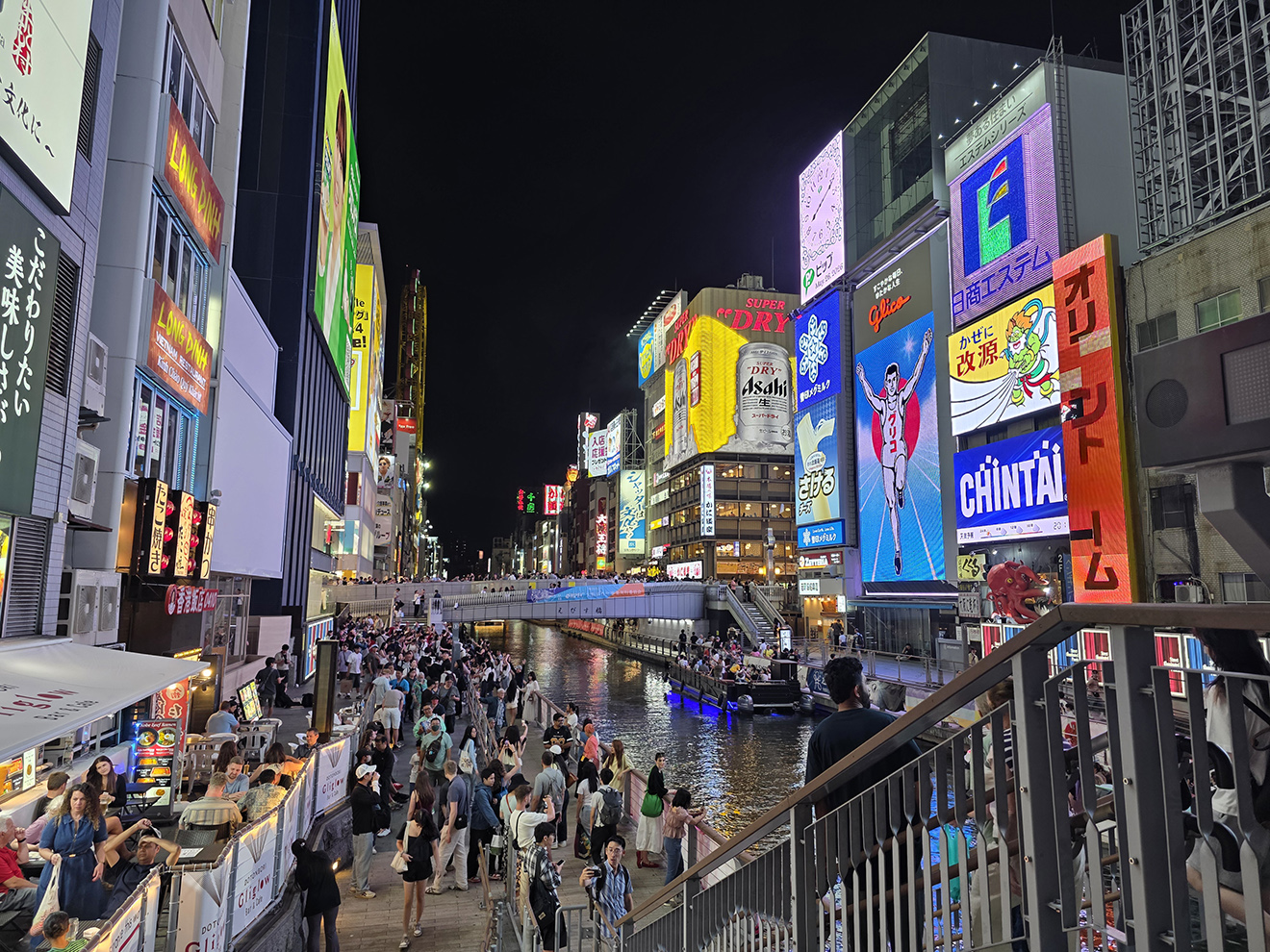
Once everyone had settled in, I led the group to Den Den Town for a bit more shopping (and some really awesome finds for me at Super Potato). Then finally off to Dontonburi for dinner to get that Osaka vibe going.
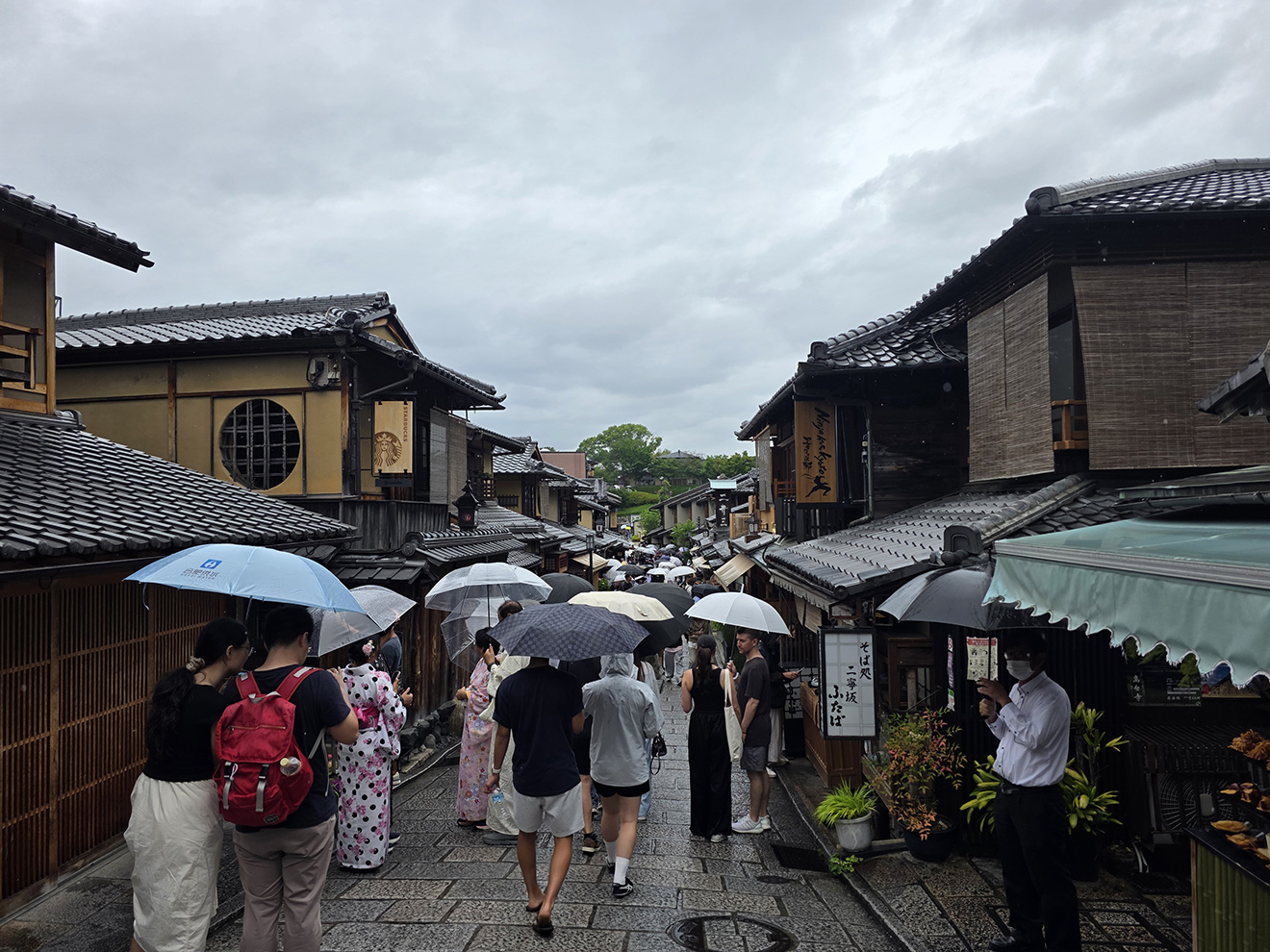
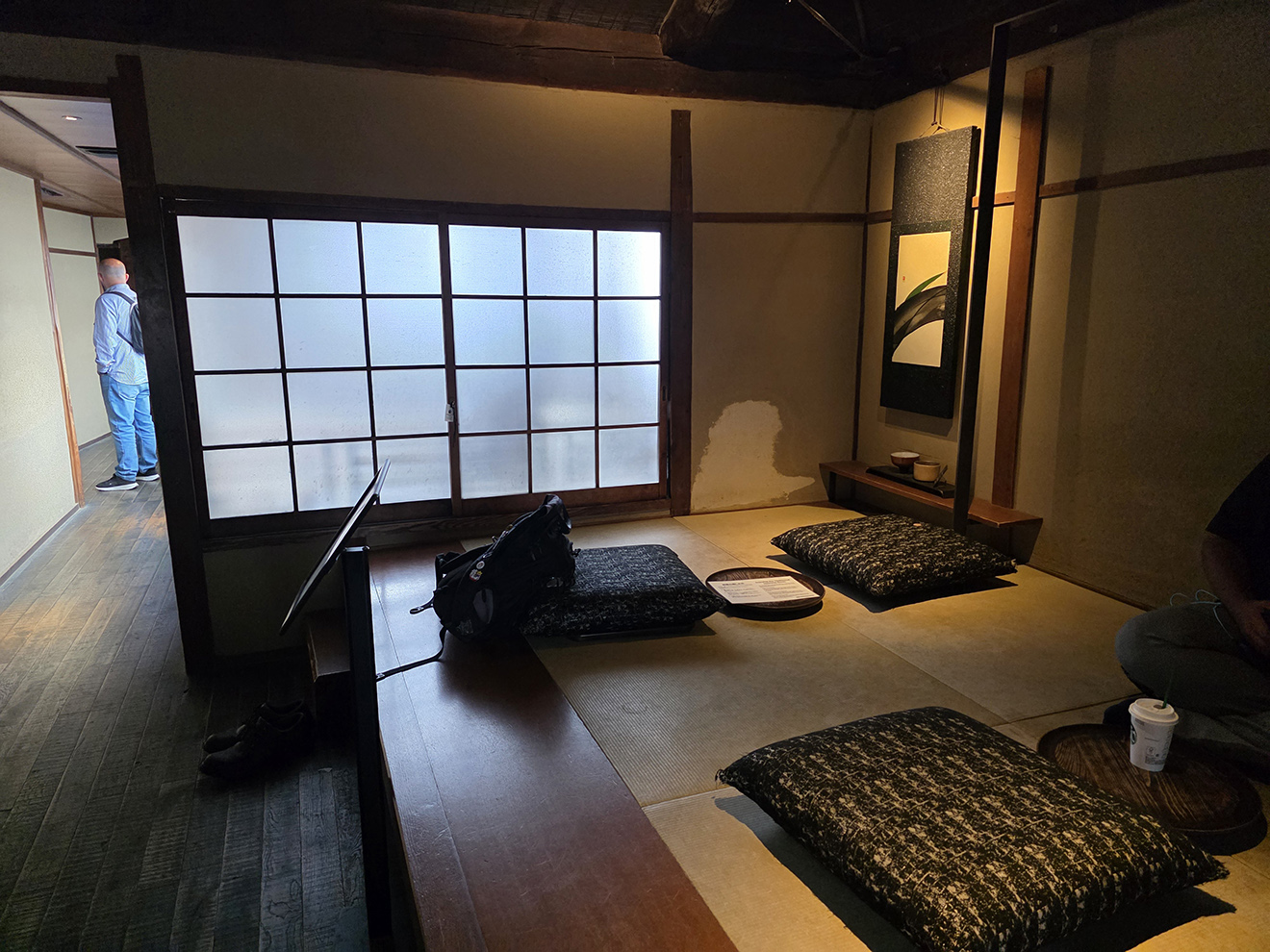
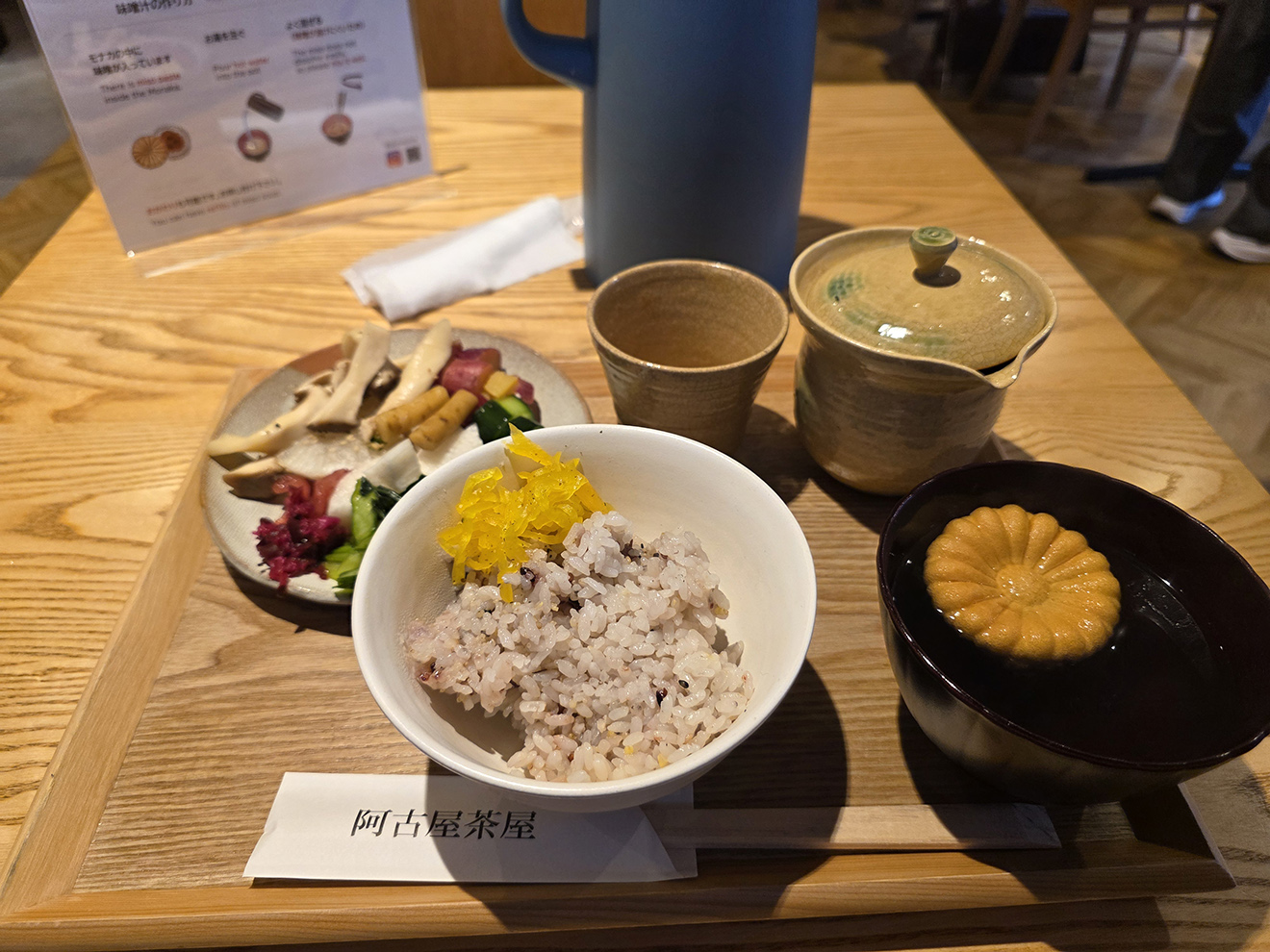
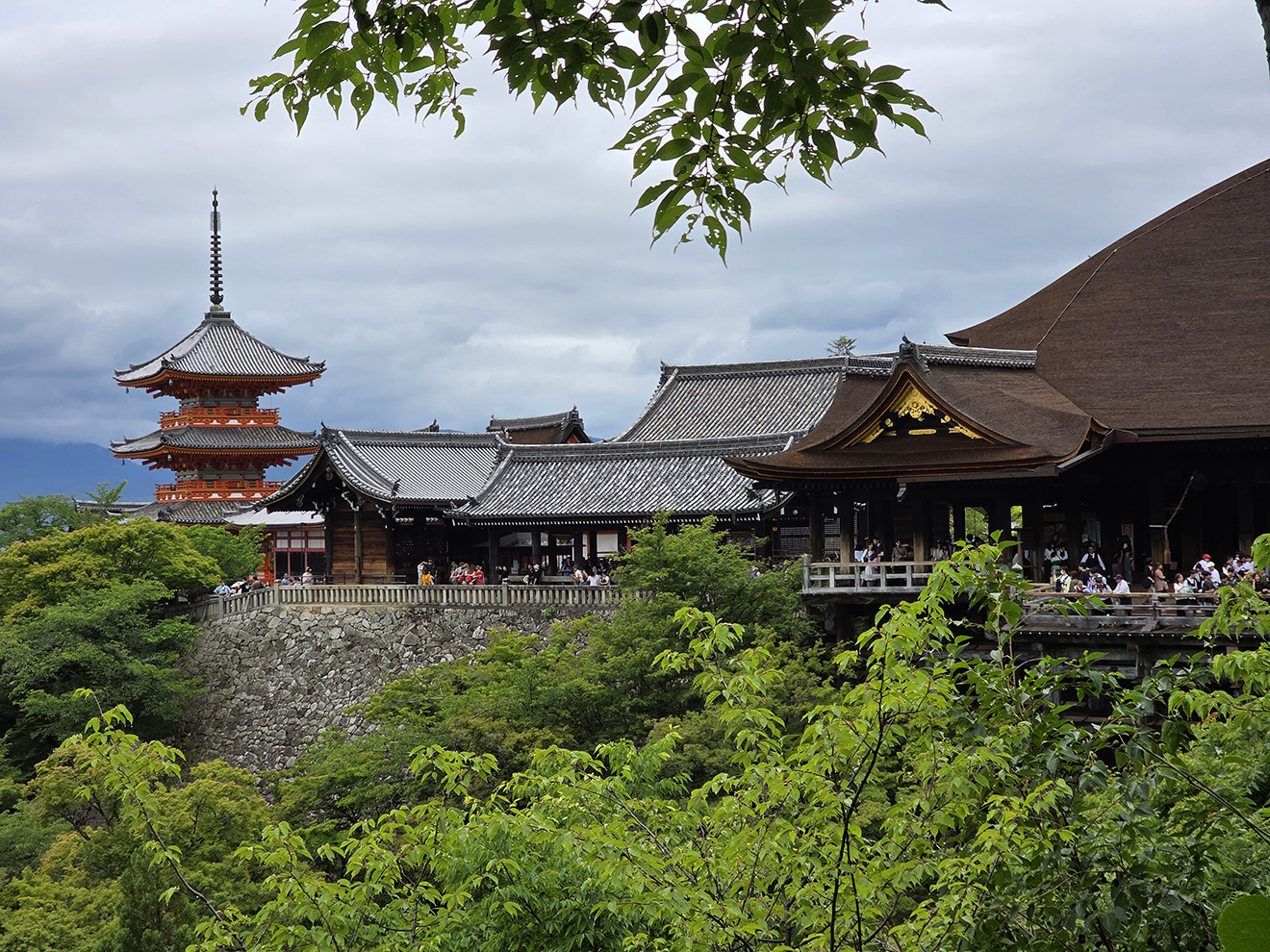
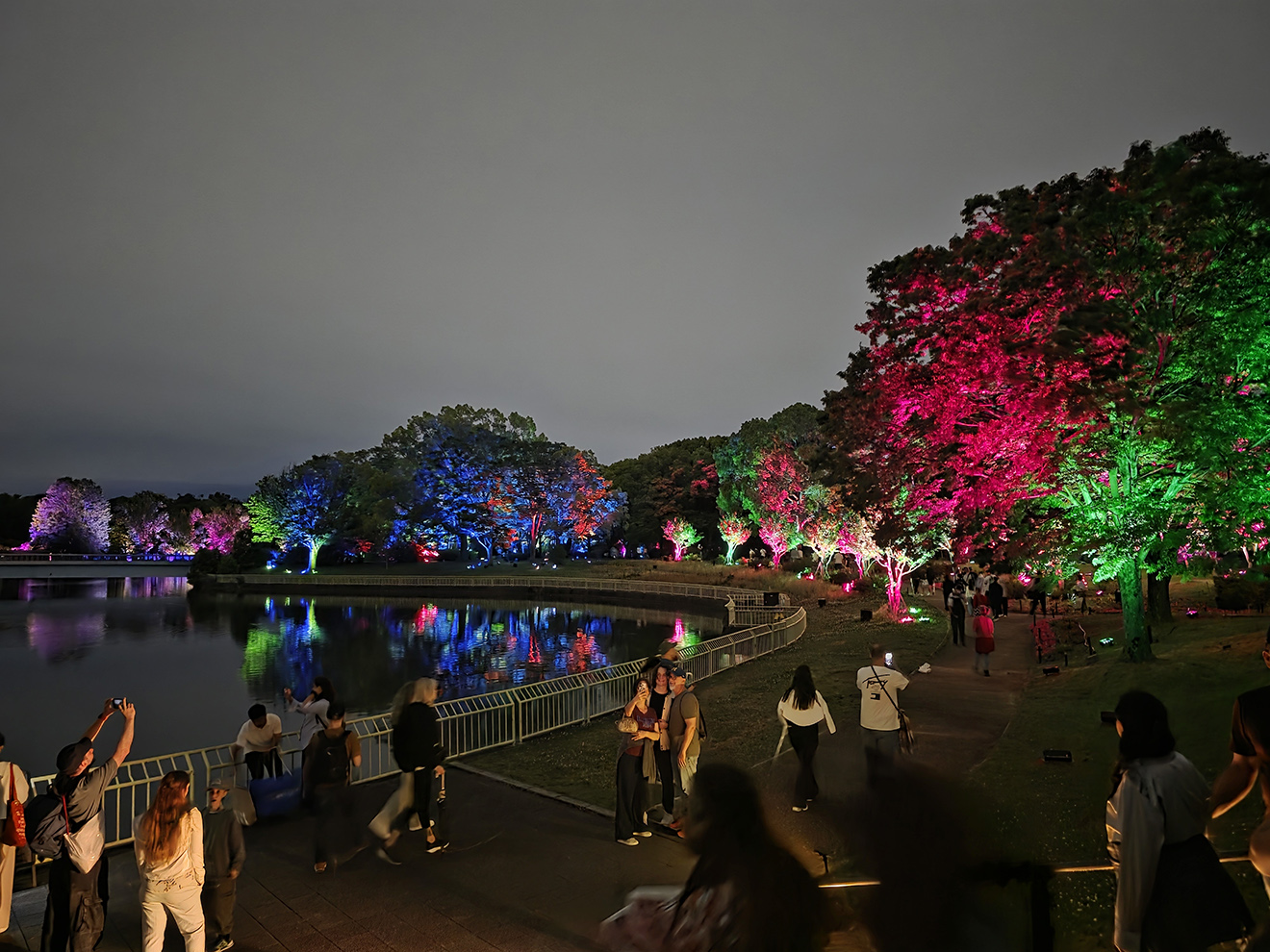
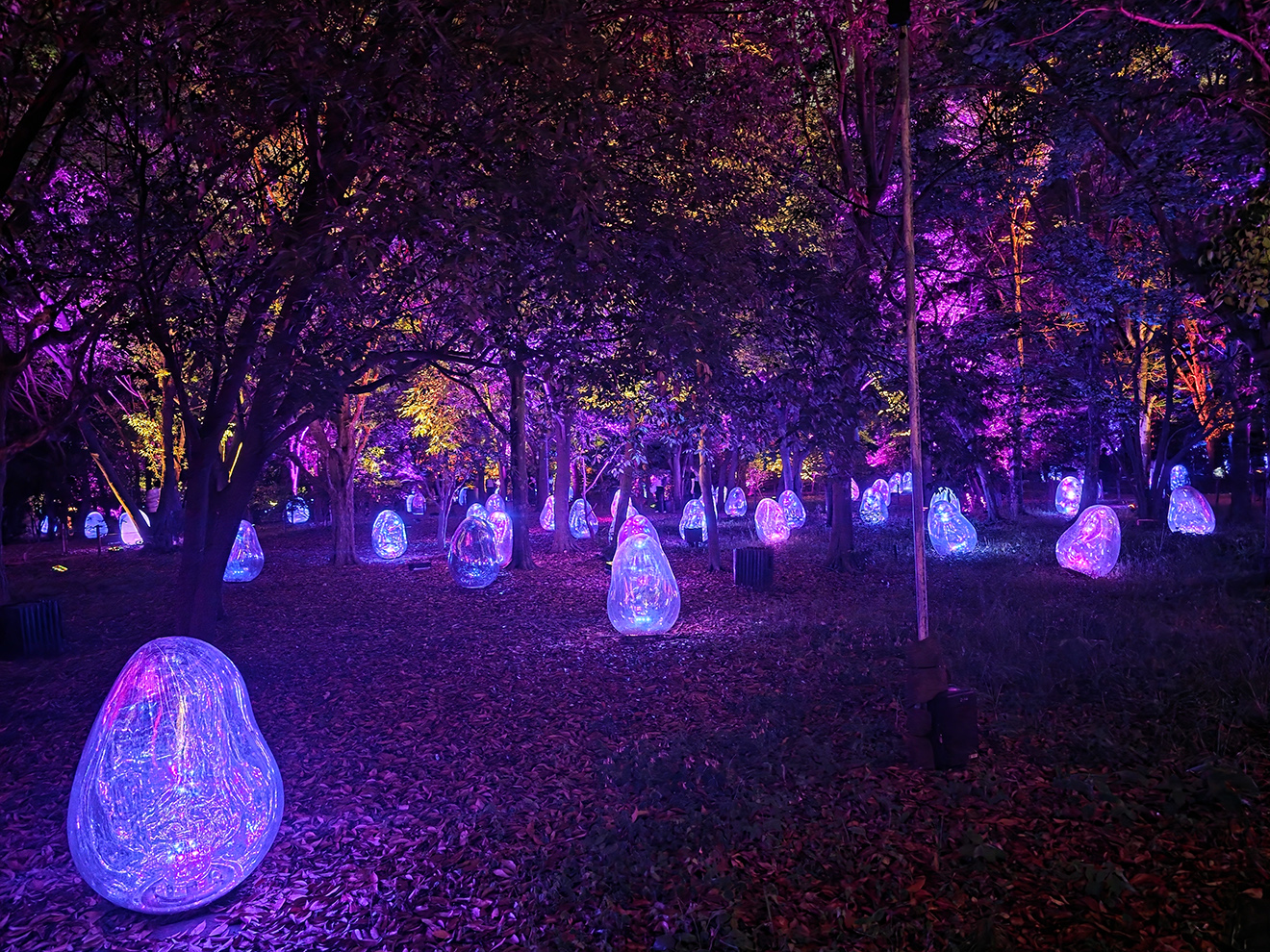
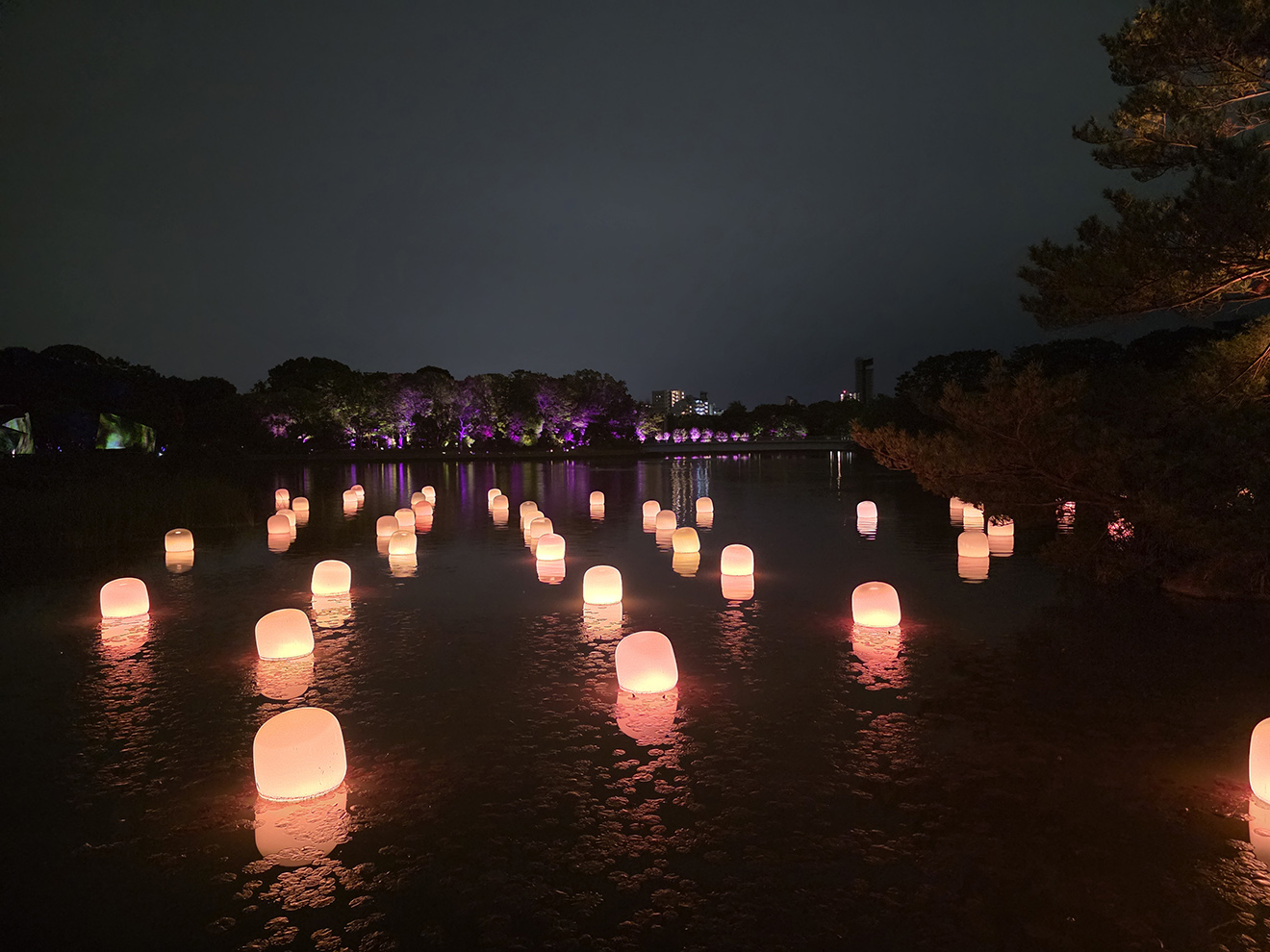
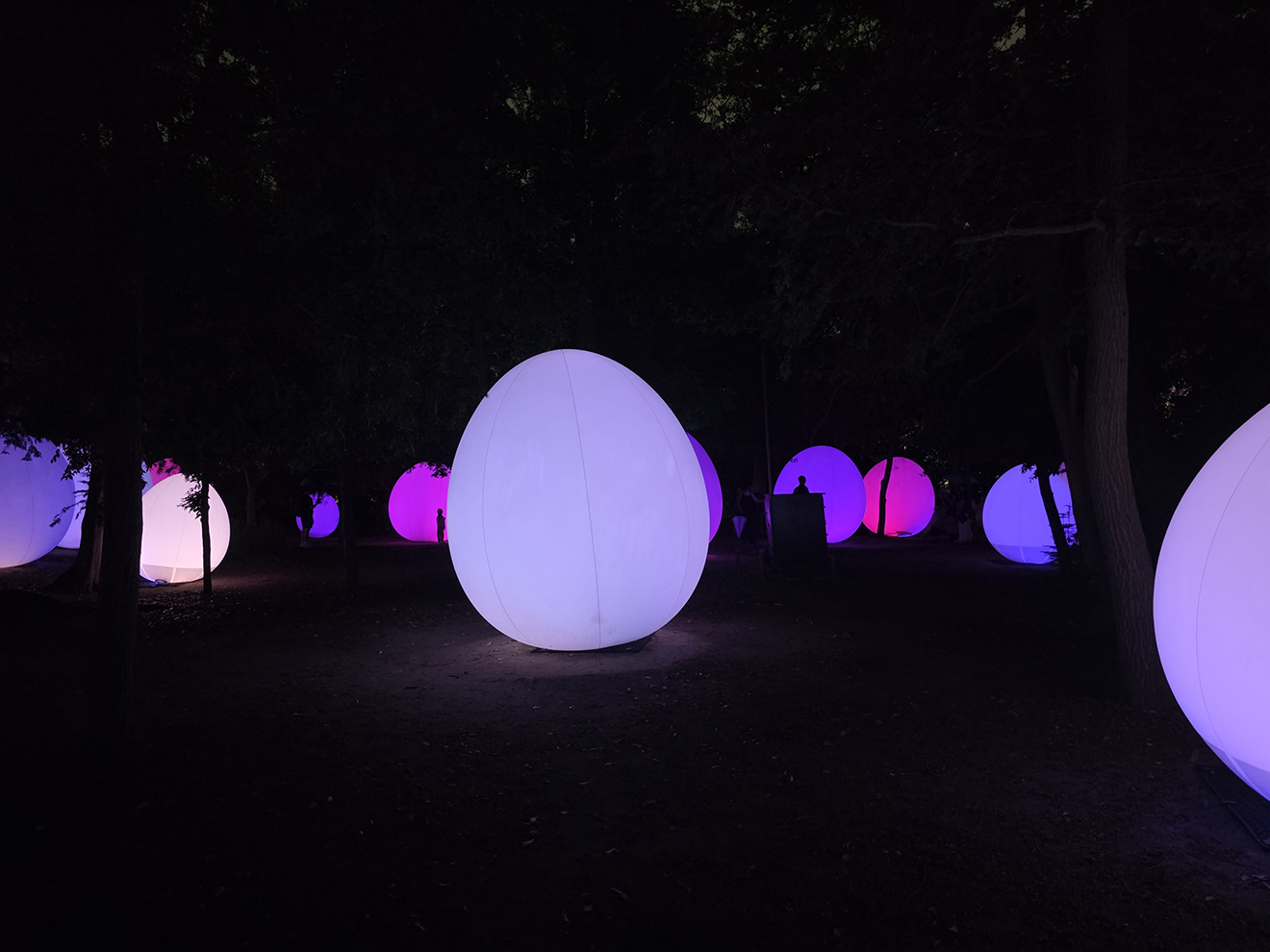
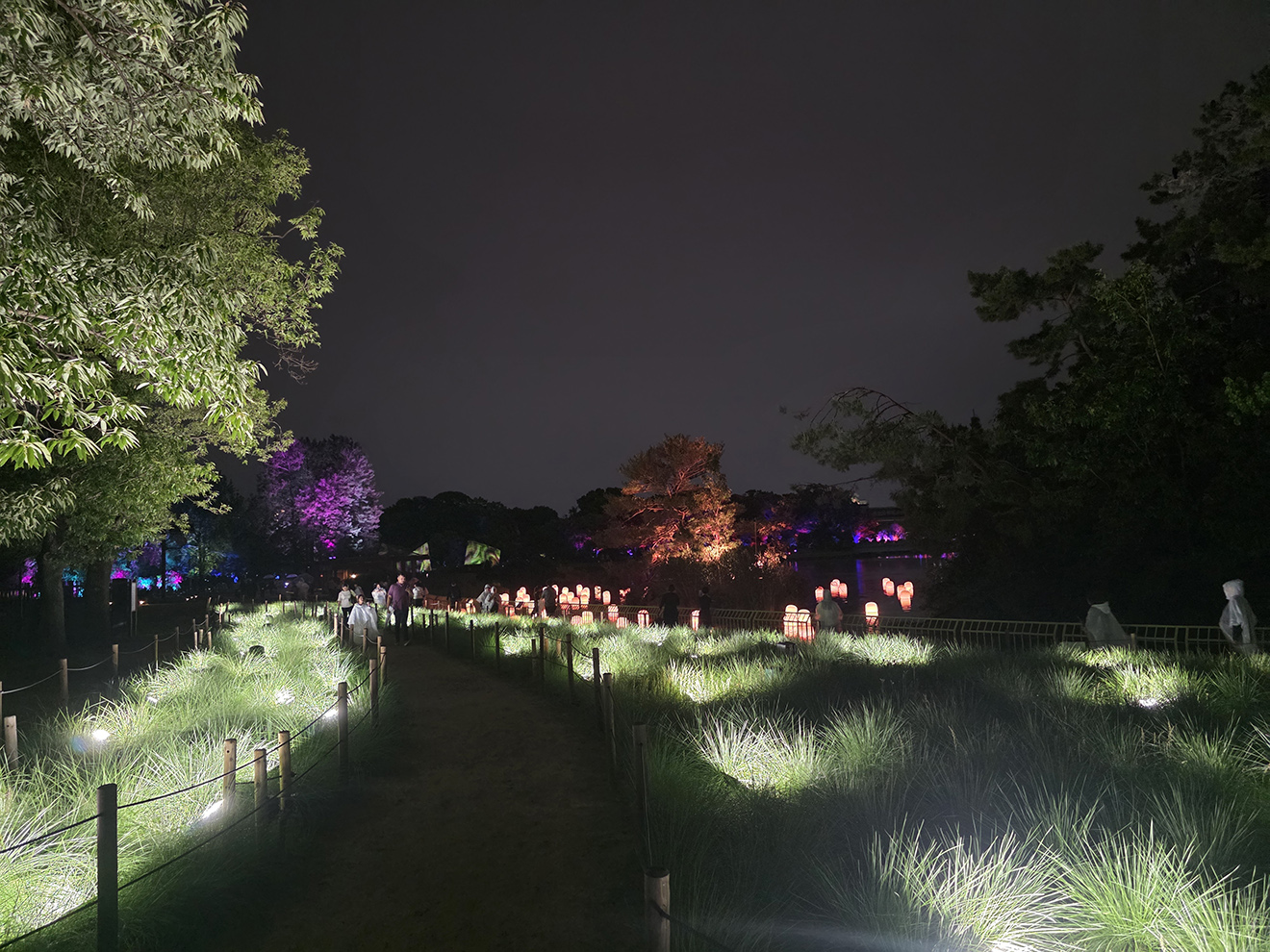
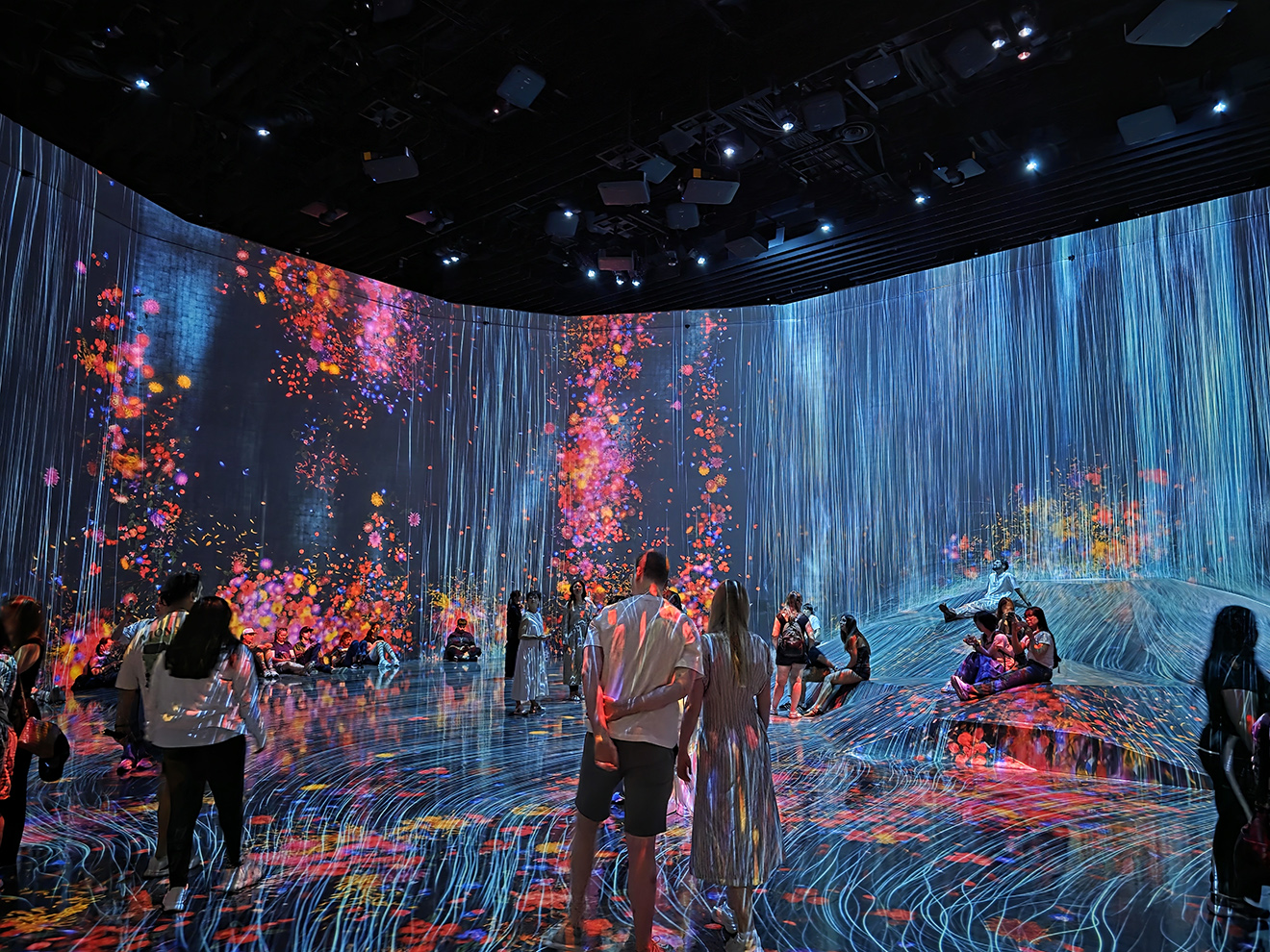
I didn't linger in Kyoto after the hike, but instead went straight back to Osaka and grabbed a quick dinner before heading to TeamLab Botanical Garden. If you remember, I discovered TeamLab last year when I visited both TeamLab Borderless and Planets in Tokyo. I liked them quite a bit, so I decided to visit some other TeamLab locations this year. At nighttime, they transform the Nagai Botanical Garden into a dreamlike environment of light and sound. As with many other TeamLab works of art, the displays are always changing and react to the people nearby. A lot of the pieces were variations of similar themes, but they were all unique enough as well. I especially liked these giant balls you could push and squeeze through. I spent a leisurely hour making my way around the garden and taking in the different environments and art installations. As with the TeamLab museums (galleries?) it's not quite like anything I've ever seen before and I really enjoyed it. If you don't mind staying out for a while after dark, it's a neat way to wrap up a day in Osaka.
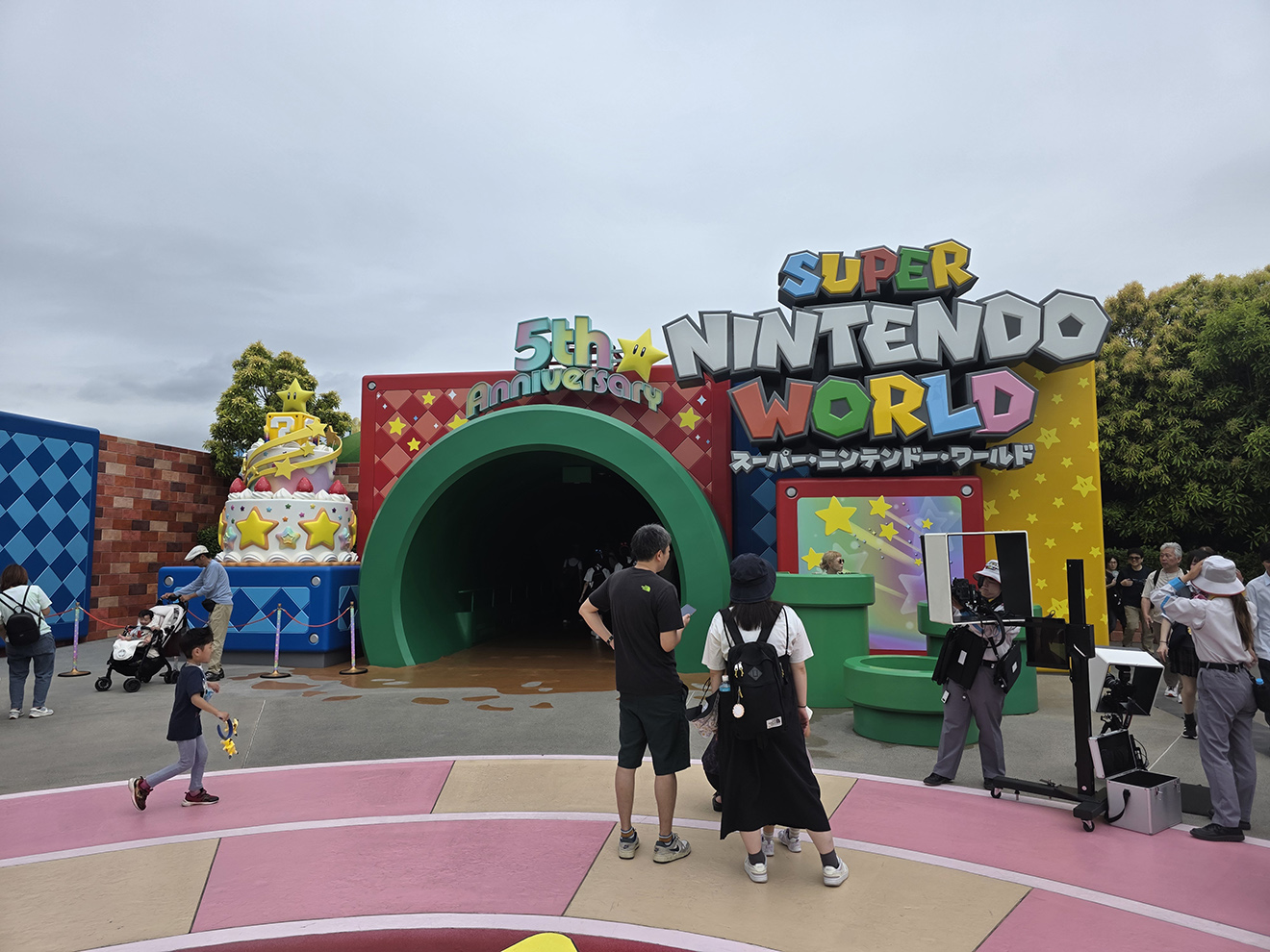
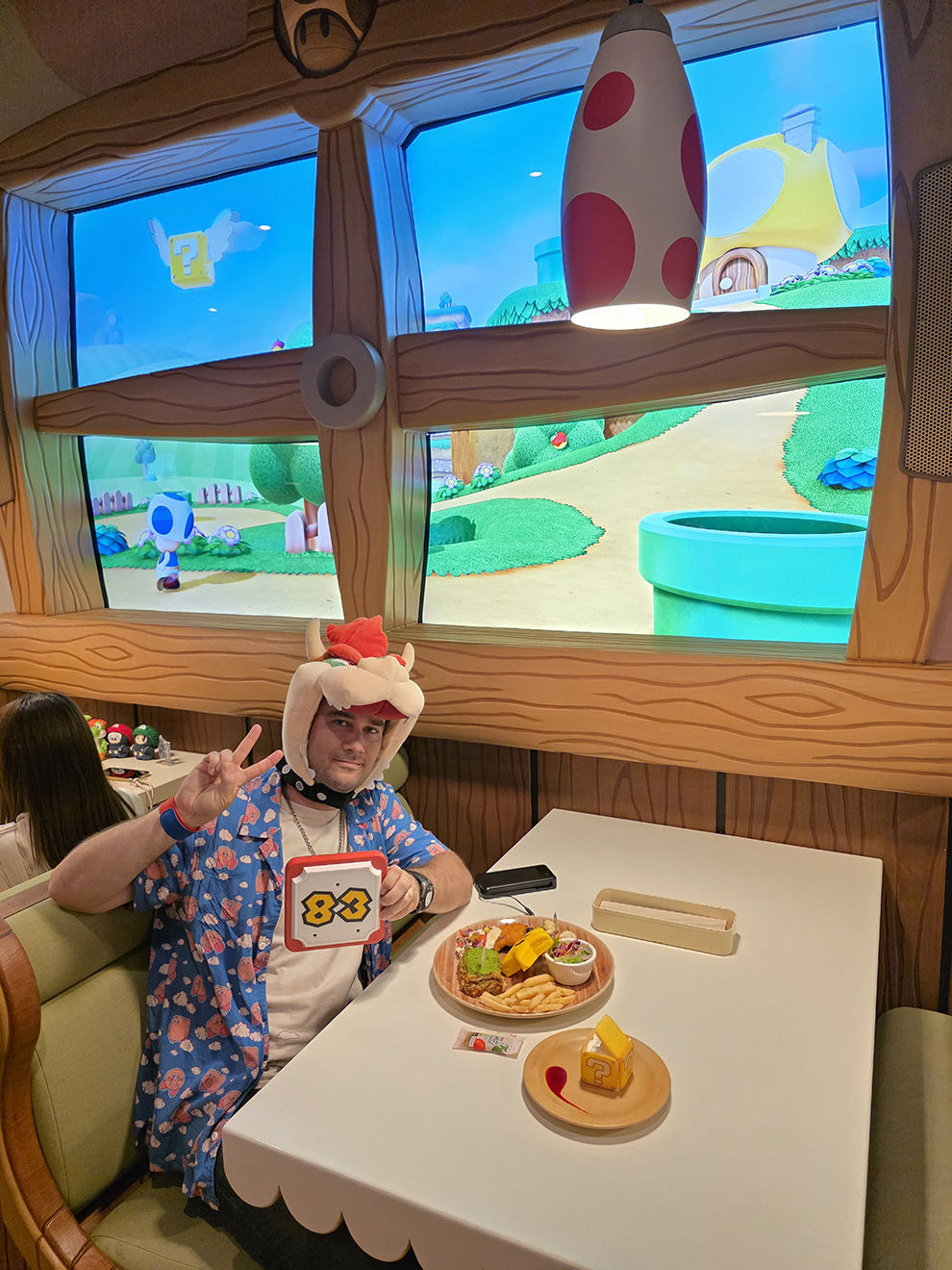
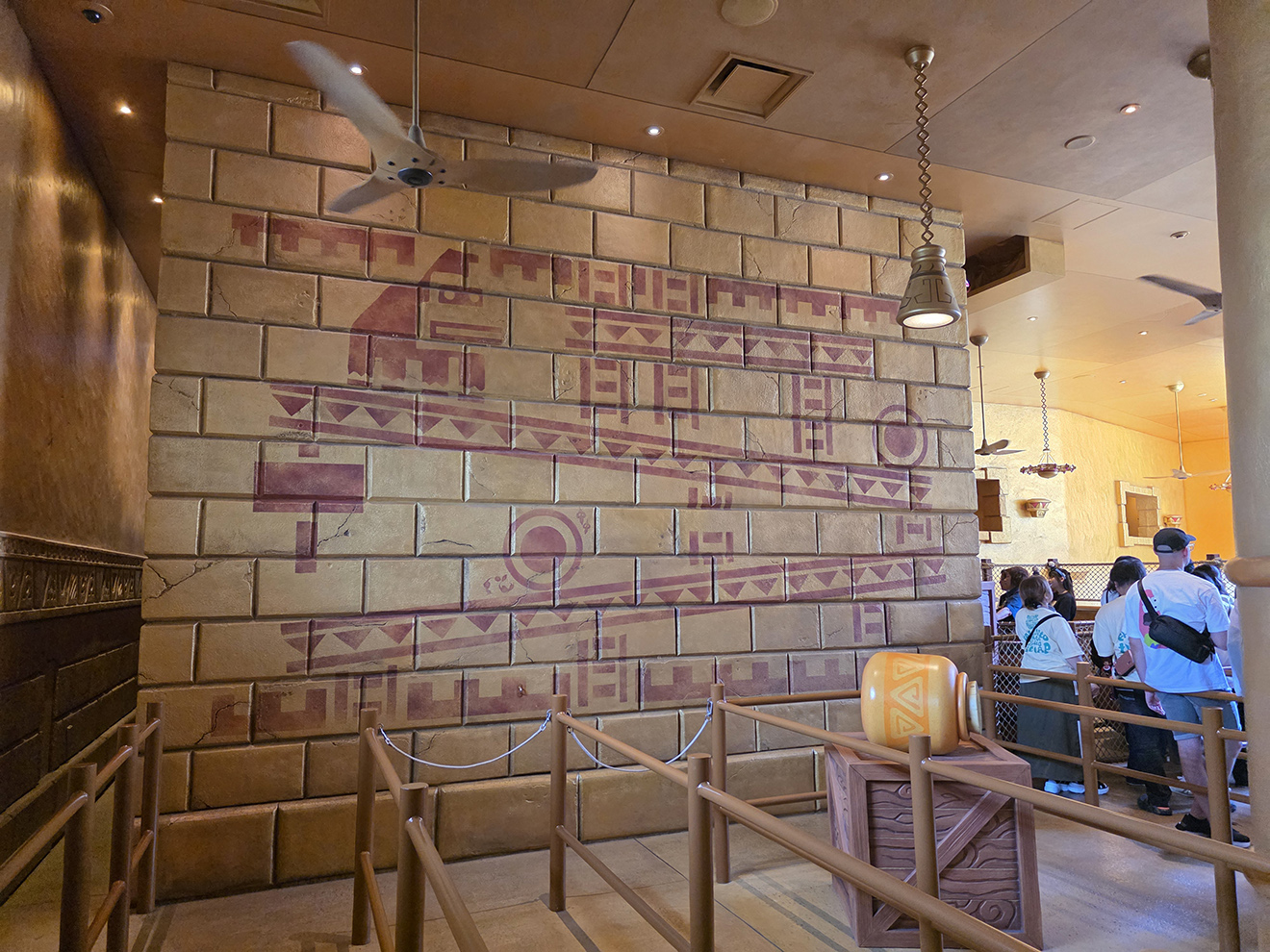
Eventually, I moved on to other parts of the park such as Jurassic Park, Wizarding World, and Despicable Me (which has a new shooting ride). I also watched the Ultimate Blues Bash show, which featured the extremely unlikely combination of Grover and Cookie Monster from Sesame Street and The Blues Brothers (apparently there was some confusion over whether it was a "blue" bash (i.e. blue monsters) or "blues" bash (i.e. blues music). It was as strange as it sounds, but it was also entertaining. Gotta wonder if they have that show at Universal in the US as well or if it's just a Japan thing. I kind of suspect the latter...
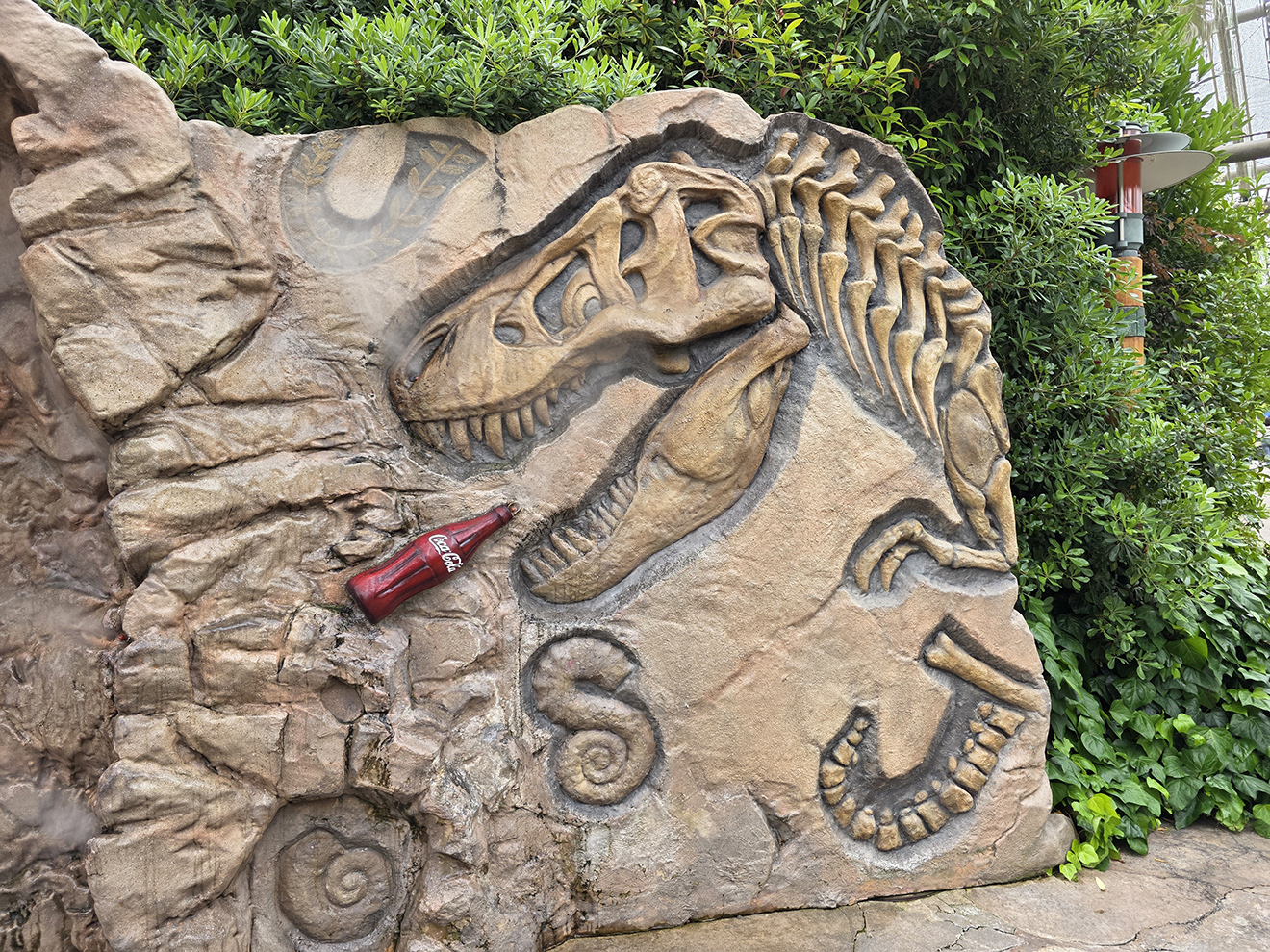
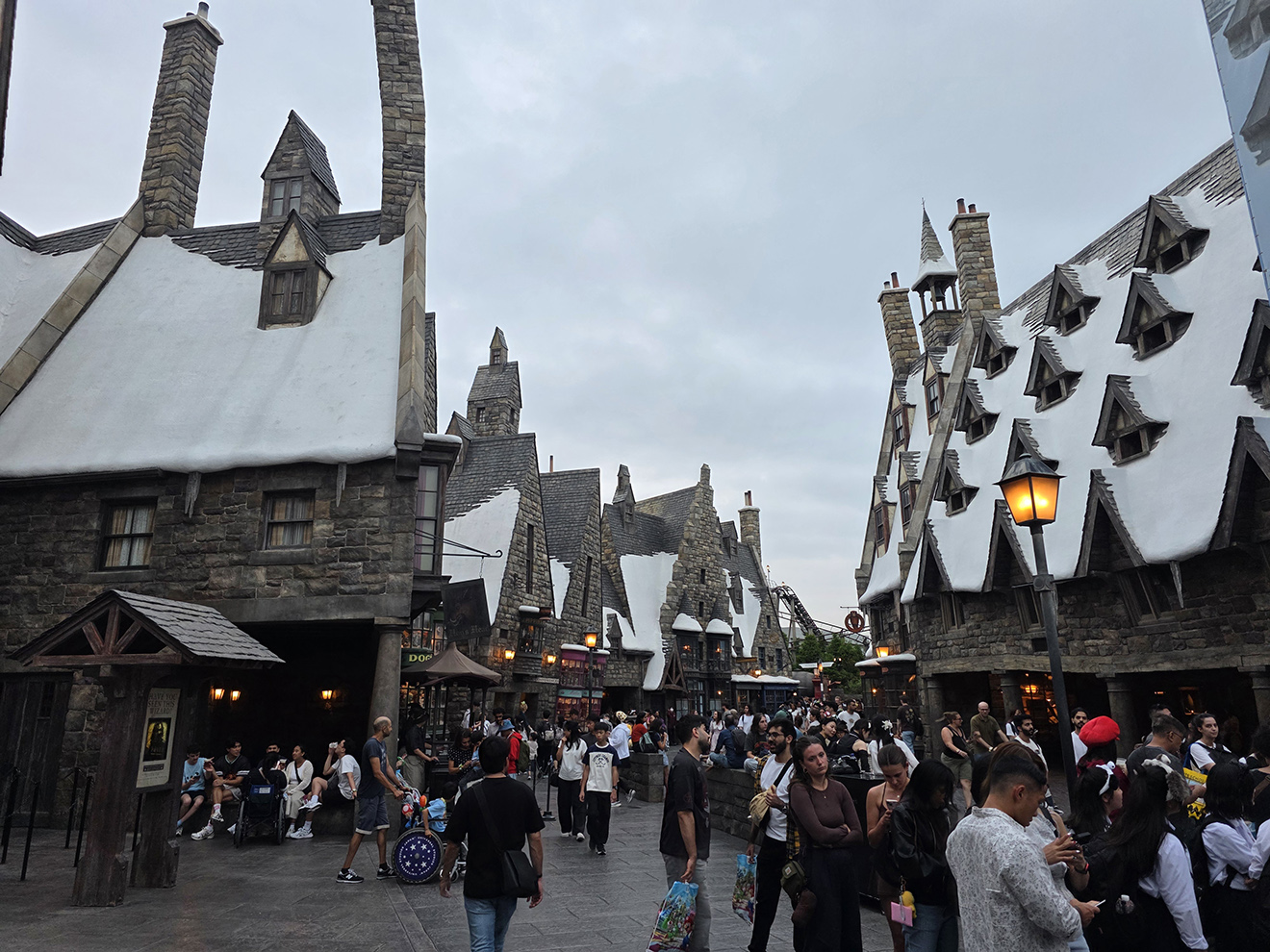
I stayed at the park until closing and had a good time, as usual. Though I realized that, after all these years, I still haven't rode the rollercoaster near the entrance. Got to make sure I do that next time.
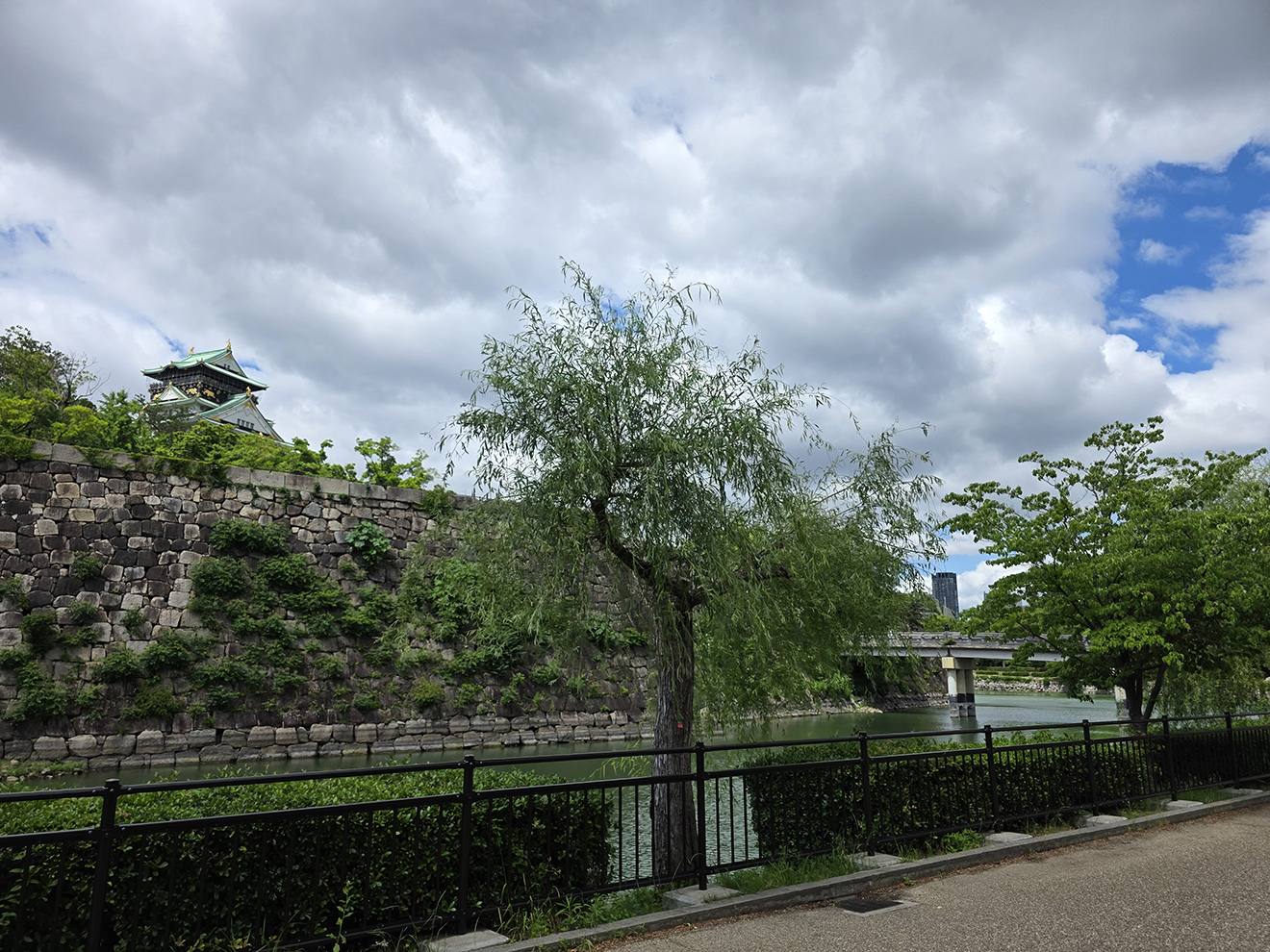
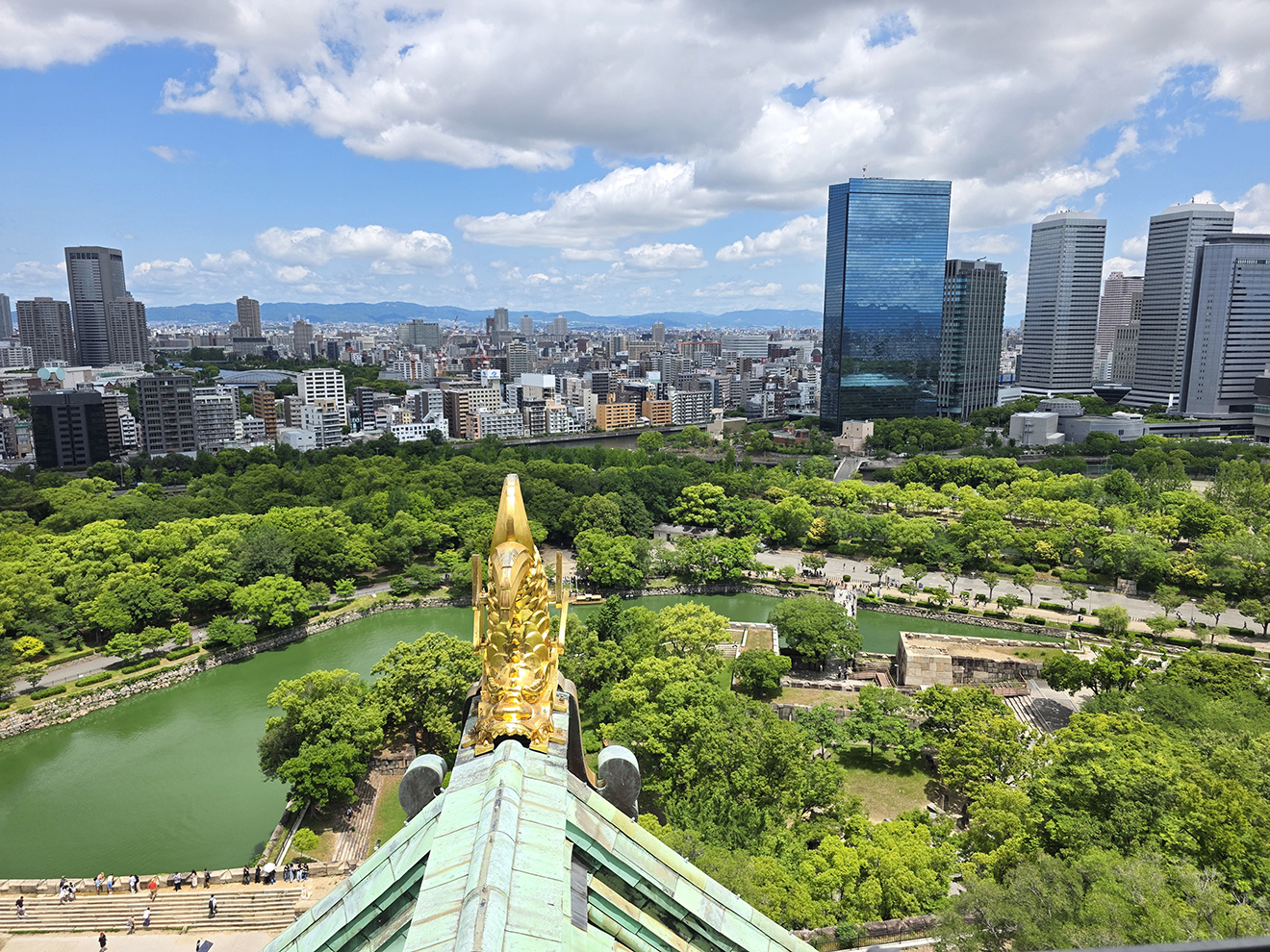
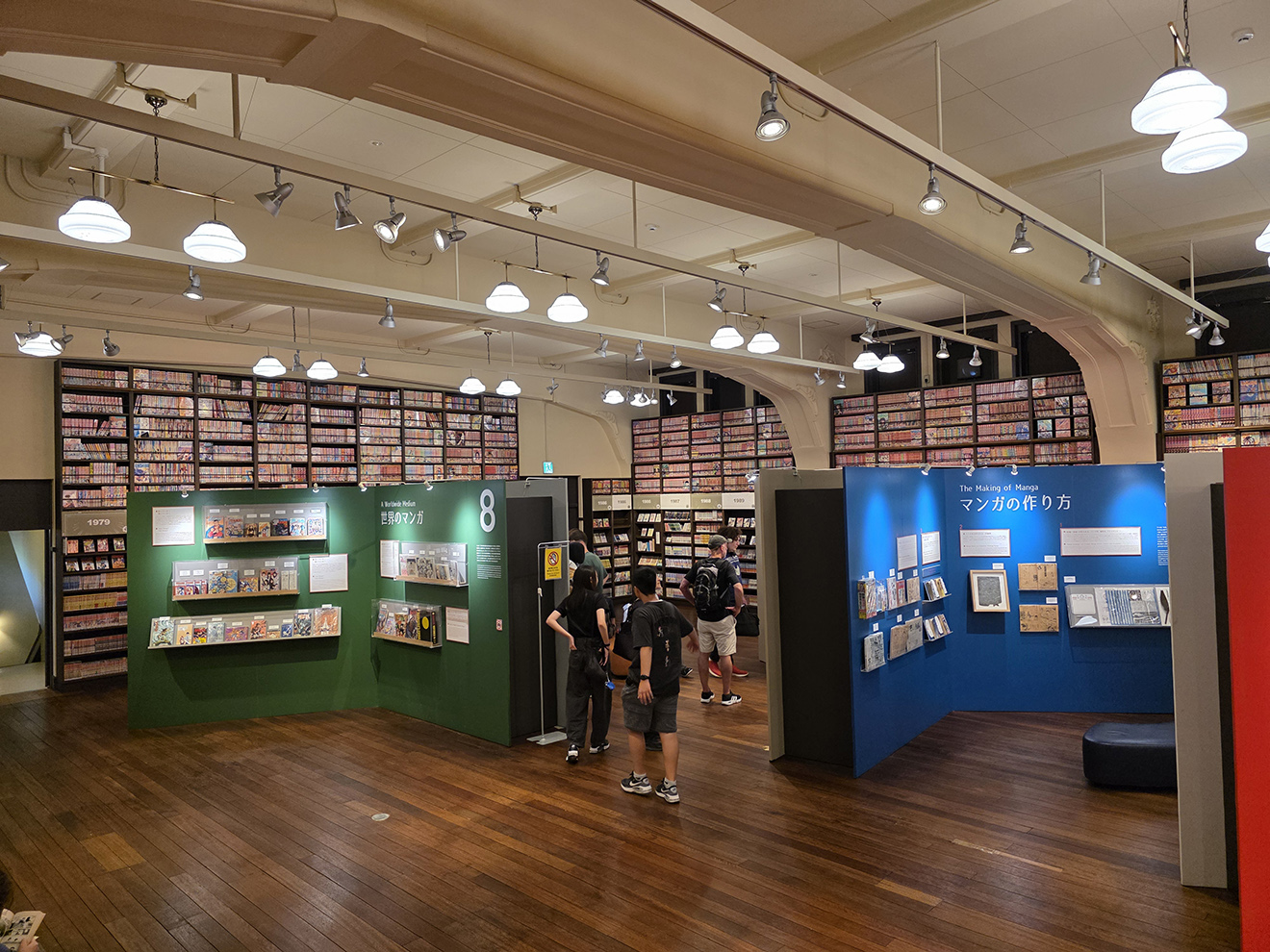
Anyway, after giving the students time to explore the castle and get lunch we hopped a train for Kyoto to visit a new addition for the media tour, the Kyoto International Manga Museum. You may remember I visited it with my dad a few years back, but this was my first time bringing students. The main museum was much the same but there were some new and rather extensive special exhibits which were interesting and had full English translations for all the signs. I appreciate that the museum really takes the "international" part of its name seriously.
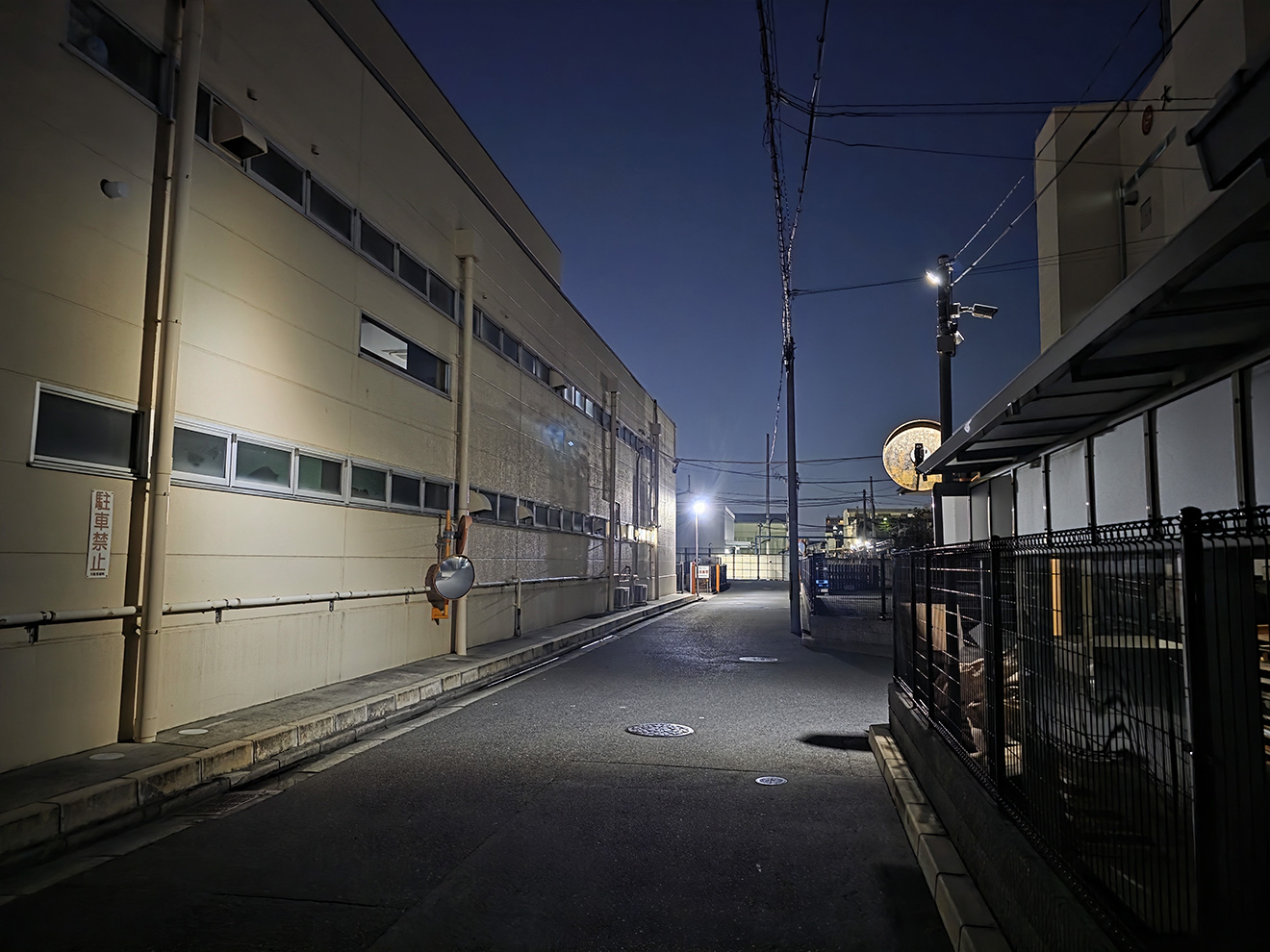
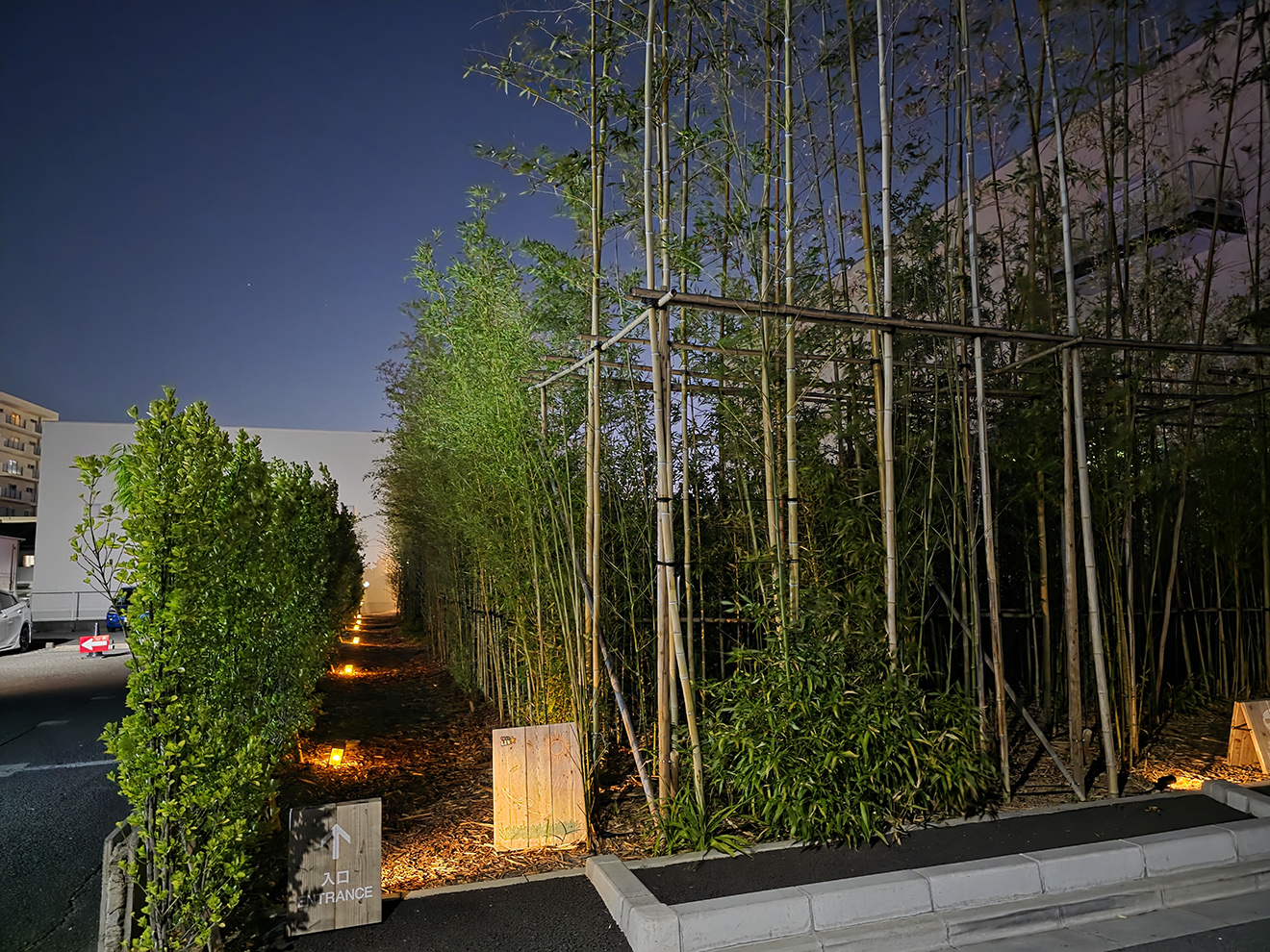
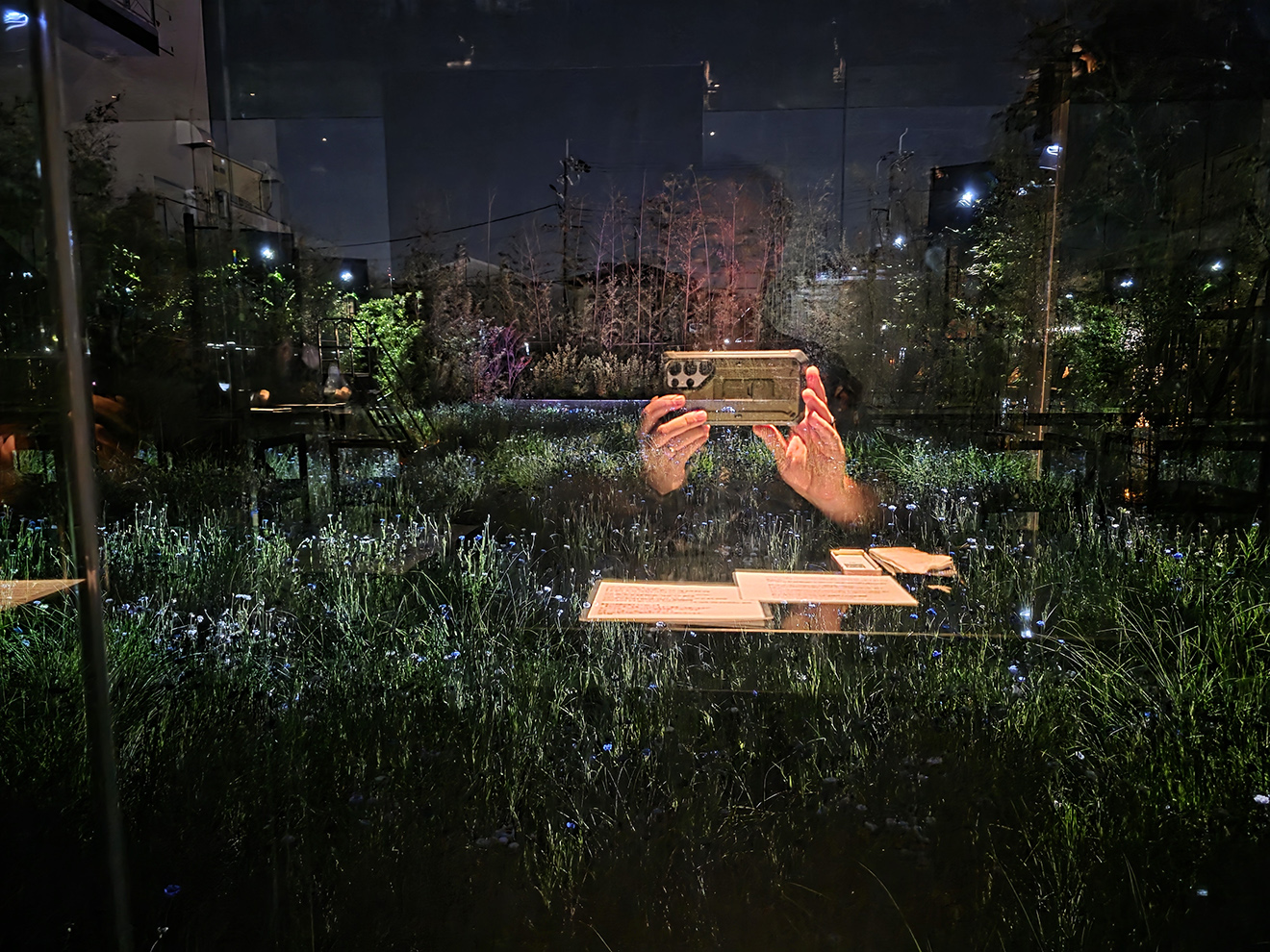
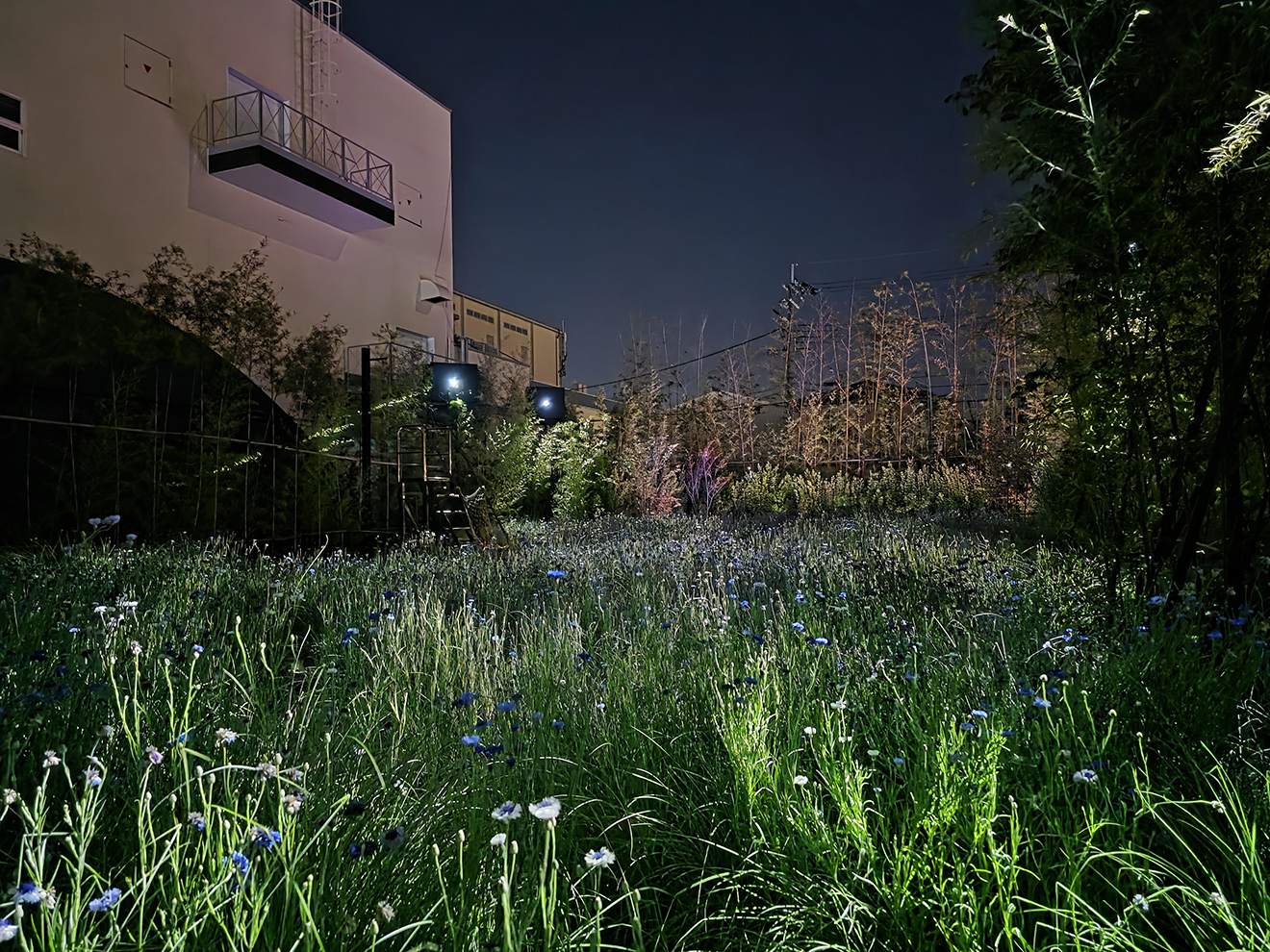
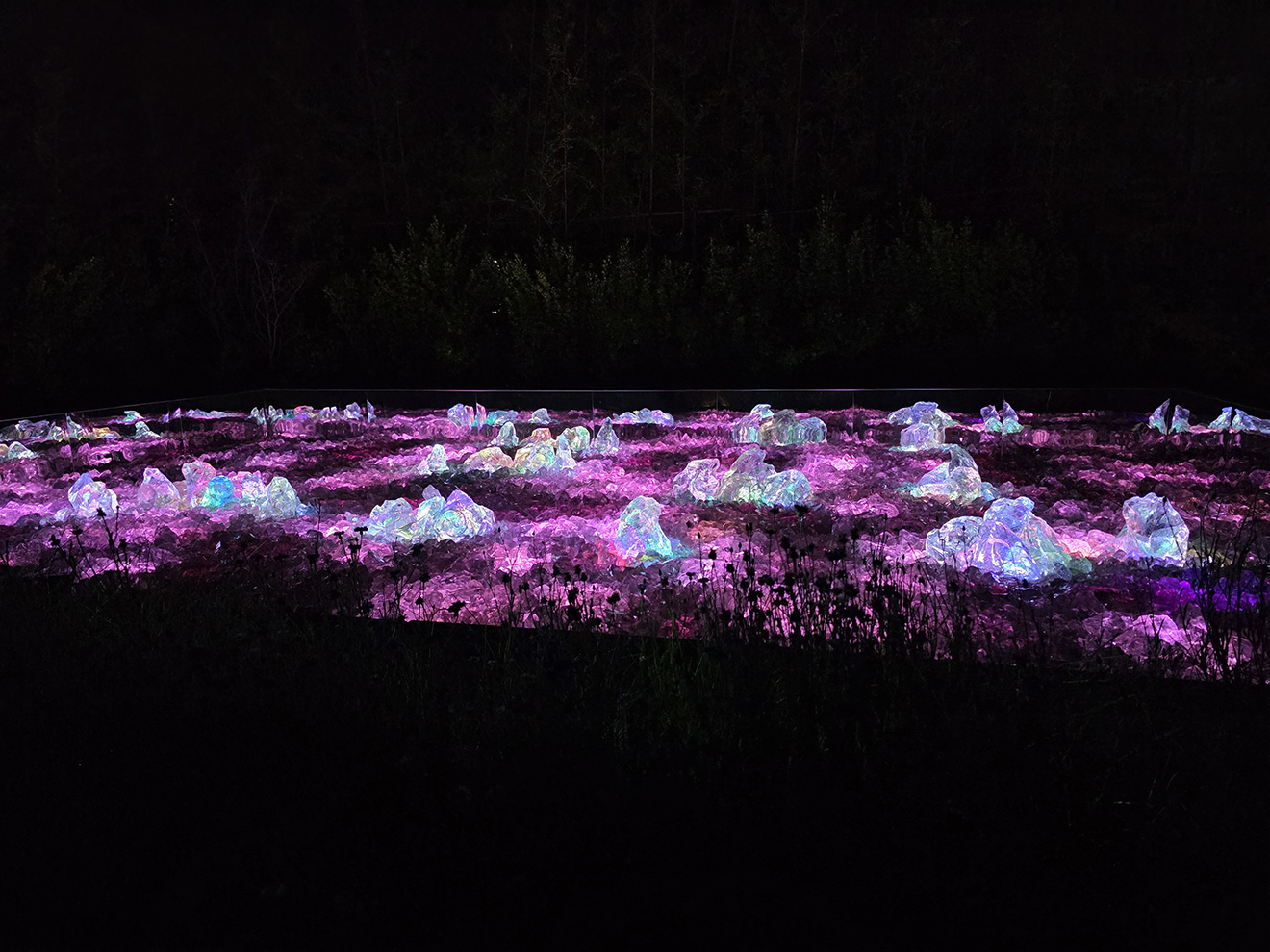
Students were free to do what they wanted after the museum. As for me, I got a quick dinner than headed back to Osaka to try out another TeamLab exhibit. TeamLab Field of Wind, Rain, and Sun is notably different than any of the other TeamLabs I've visited. First off, you have to make a reservation at the cafe to visit and there are time slots for day and night. As the name implies, you're meant to visit at different times and in different weather conditions to experience it in different ways. Anyway, I chose night because it worked better for my schedule. Though the moderately long walk there from the train station went through an industrial area that, if this were anywhere other than Japan, I probably wouldn't feel comfortable going through after dark. But I eventually came to the entrance which is situated around back of a factory that makes decorative cans (well, they say "cans" but I think in English most people would call them tins). I, and a couple of other visitors, were led into a small, dark, cafe which looks out on the eponymous field. The idea is to sit with a drink and a snack (which you pre-pay for as part of your reservation) and look out across the field. Which, on a clear night, involves varying patterns of light and sound. Then, once your time in the cafe is over, you get to go outside and walk through the field on the way to the exit. The whole experience is a lot smaller and simpler than the other TeamLabs I've been do, and I probably wouldn't recommend it for kids, but it was also very relaxing and I'd be curious to visit again and see how it looks during the day.
Random Japan Comment: Ordering by Phone
One thing I've noticed on this trip is that more and more Japanese restaurants, from larger bustling ones to tiny holes in the wall, no longer have waiters physically take your order. Instead, you're presented with a QR code that you scan with your phone. It loads up a web page for your table where you browse a menu and place orders, which will then be brought to you. And, if you want to order more, you can keep the page open or scan the QR code again and place another order. So basically the same as ordering with a tablet (which was already pretty popular for certain types of restaurants here) but without the tablet. Anyway, there's nothing wrong with the system. It's always worked just fine for me (though you do, of course, need a decent internet connection) and I'm sure it saves a lot of time for the restaurant staff. Also makes it easy to provide menus in different languages. I'm just surprised to suddenly see it so widely used. As a side note, despite all the digitization, you can't actually pay for your meal online. You either have to take the QR code or a paper receipt up to the counter to pay. But who knows, give it a bit more time and maybe that will change as well.
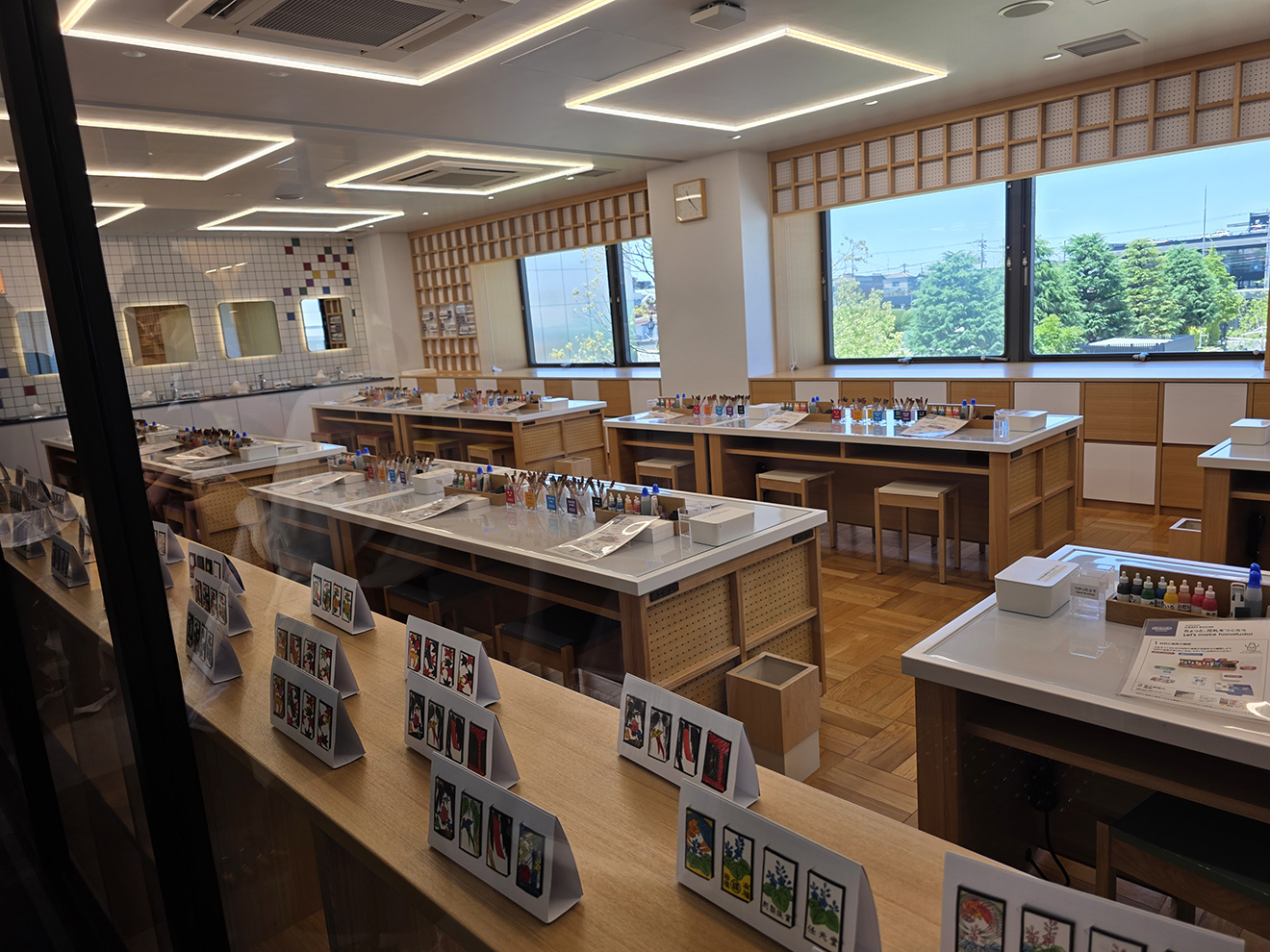
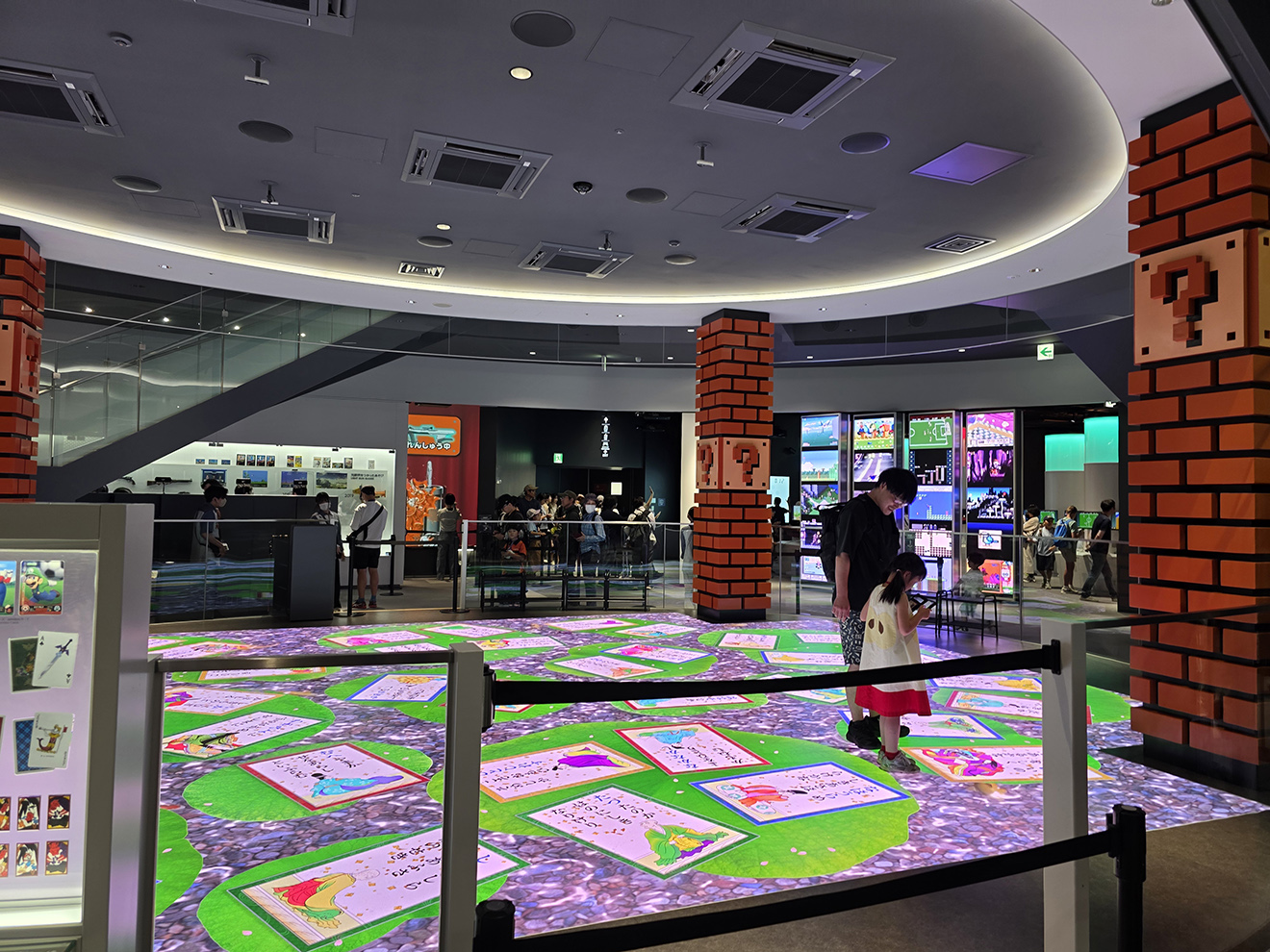
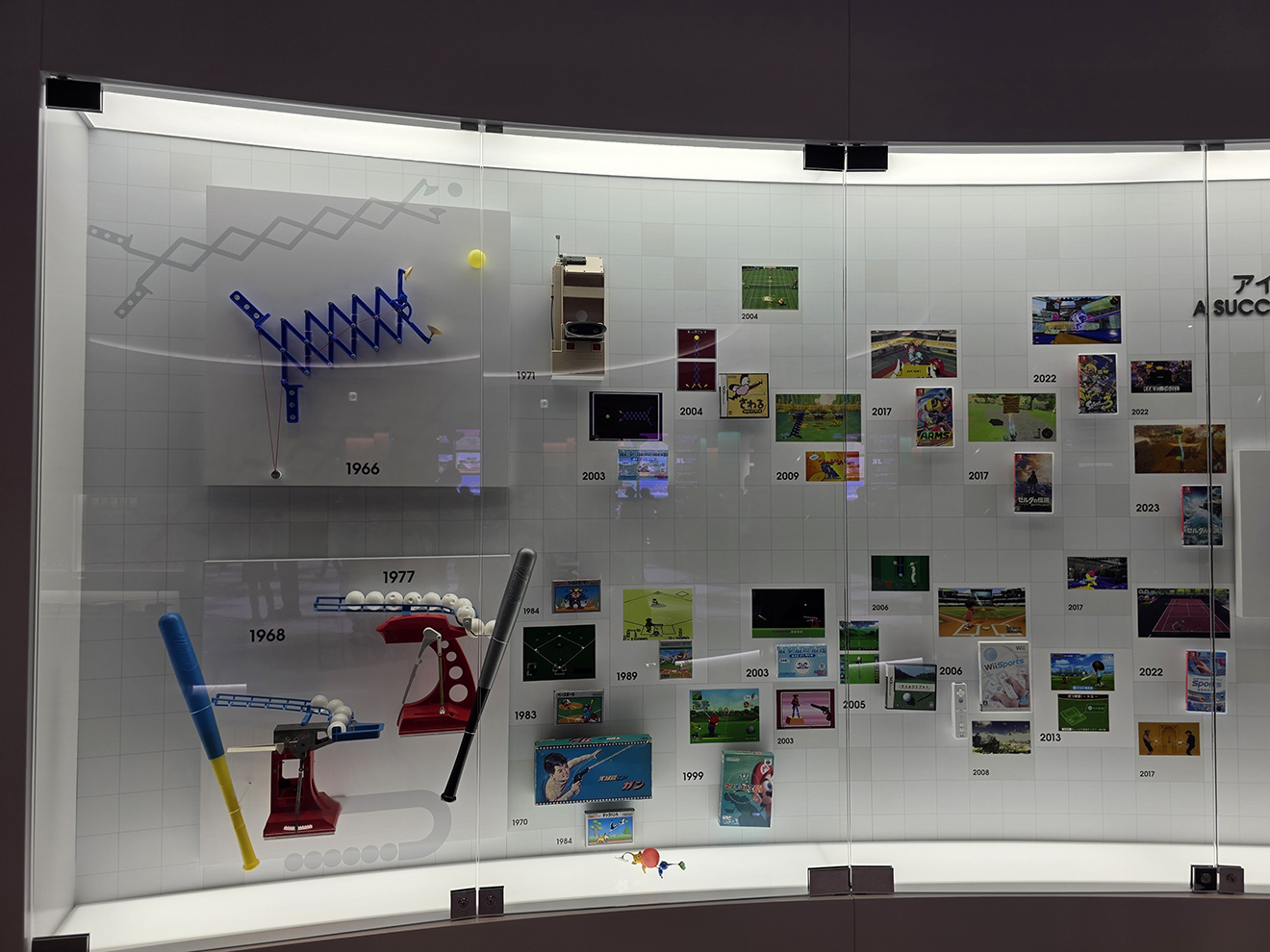
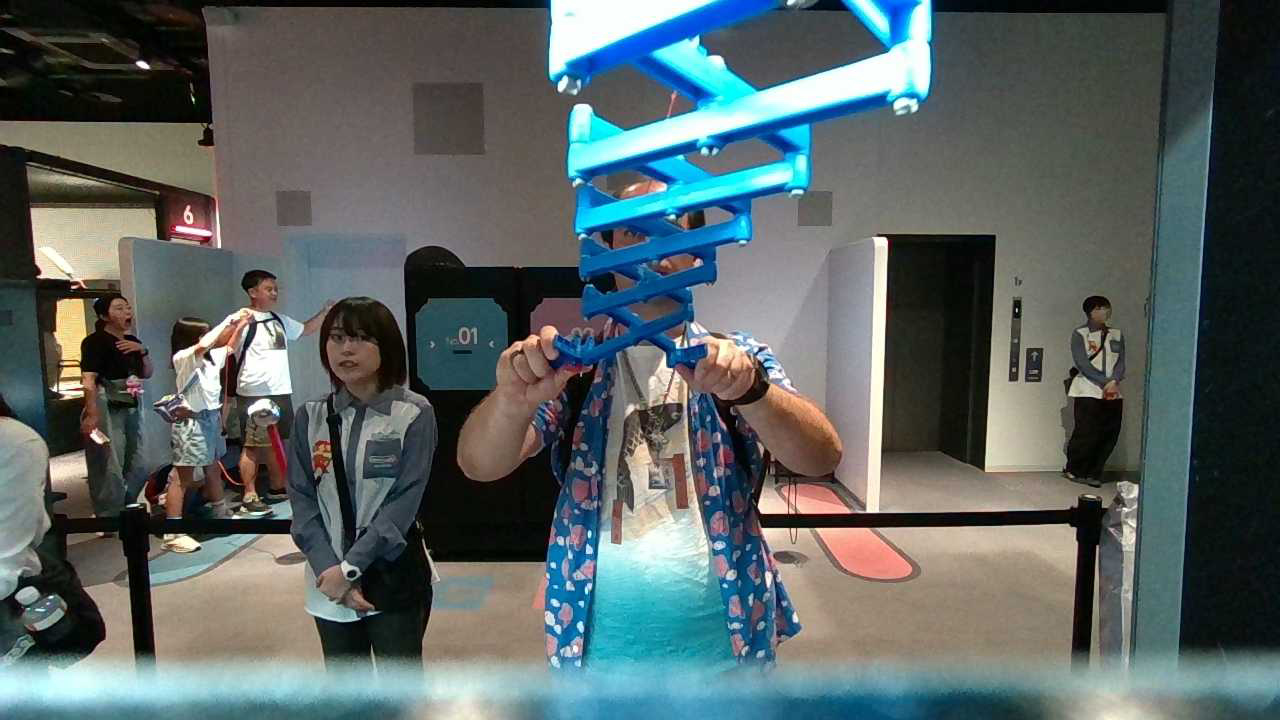
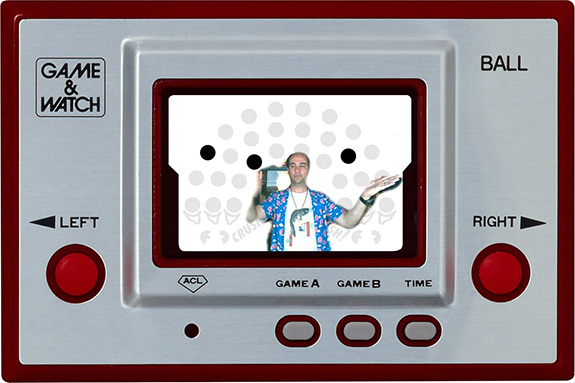
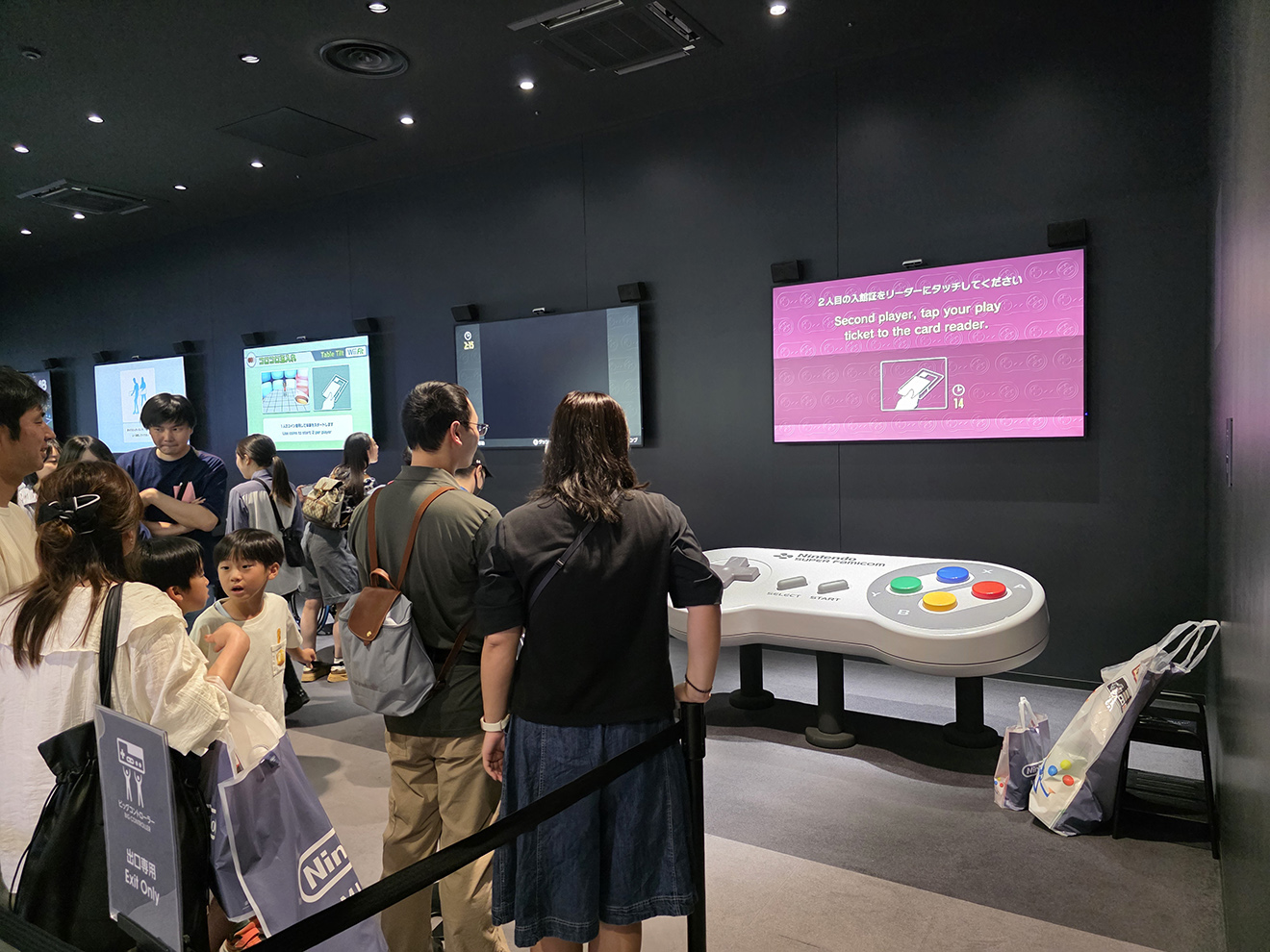
The museum is in a former Nintendo manufacturing plant a bit off the beaten path in a quiet suburb of Kyoto. There's some nice photo spots, and Easter eggs scattered around if you keep your eyes open. Though it doesn't try and put you in the world of a game like Super Nintendo World. Right after I entered, I saw that they had a class to make your own hanafuda cards (a type of Japanese playing card). Long before video games, Nintendo was formed to make hanafuda cards, so they're a very important part of the company's history. There was a bit of an extra cost, but it was a fun craft and a neat souvenir. After that, I was ready to head into the museum proper. The main building is divided into two floors. The first floor features a number of games based on various Nintendo products, old and new. For instance, you can try grabbing things with an Ultra Hand (another pre video game Nintendo product), playing motion controlled versions of Game & Watch games, using a giant video game controller (with multiple options for different consoles), among others. The game area is popular, with some of the games requiring a moderate wait. However, to keep things from getting too bad, they are limited. When you entering the museum, you get a card loaded with ten coins. Each game costs 1 - 4 coins to play (with the more popular ones being more expensive). There's no way to get more coins (short of visiting the museum again), so you have to be strategic about what you want to play. The limitations are a bit disappointing (especially since you don't even get enough coins to try every game), but it does help keep the lines from getting too long. The second floor features the main exhibits. Unfortunately, no photos are allowed up there. The largest area features a section for each Nintendo console up through the Switch, highlighting the hardware, controllers, accessories, and pretty much every single Nintendo developed and/or published game (along with a few notable third party titles). There's also a few displays focused on various other products such and Nintendo's old toys, amiibos, etc. And, perhaps most interesting, an art gallery with a lot of original concept art, level maps, and the like. There's a lot of really cool stuff to see. However, explanations are rather minimal. I'm pretty well versed in game history (I do teach a class on it, after all) so I was ok. But I'd say the average visitor won't be able to fully appreciate a lot of the displays, which is a bit of a shame, though they will still likely enjoy looking. The other thing of note at the Nintendo Museum is the restaurant which, for some reason, serves highly customizable hamburgers (many of which have some strong Japanese twists). I ended up spending a few hours at the museum and I very much enjoyed it. The games make it pretty good for kids too, if you can get tickets. Though they would likely enjoy Super Nintendo World at Universal Studios Japan even more.
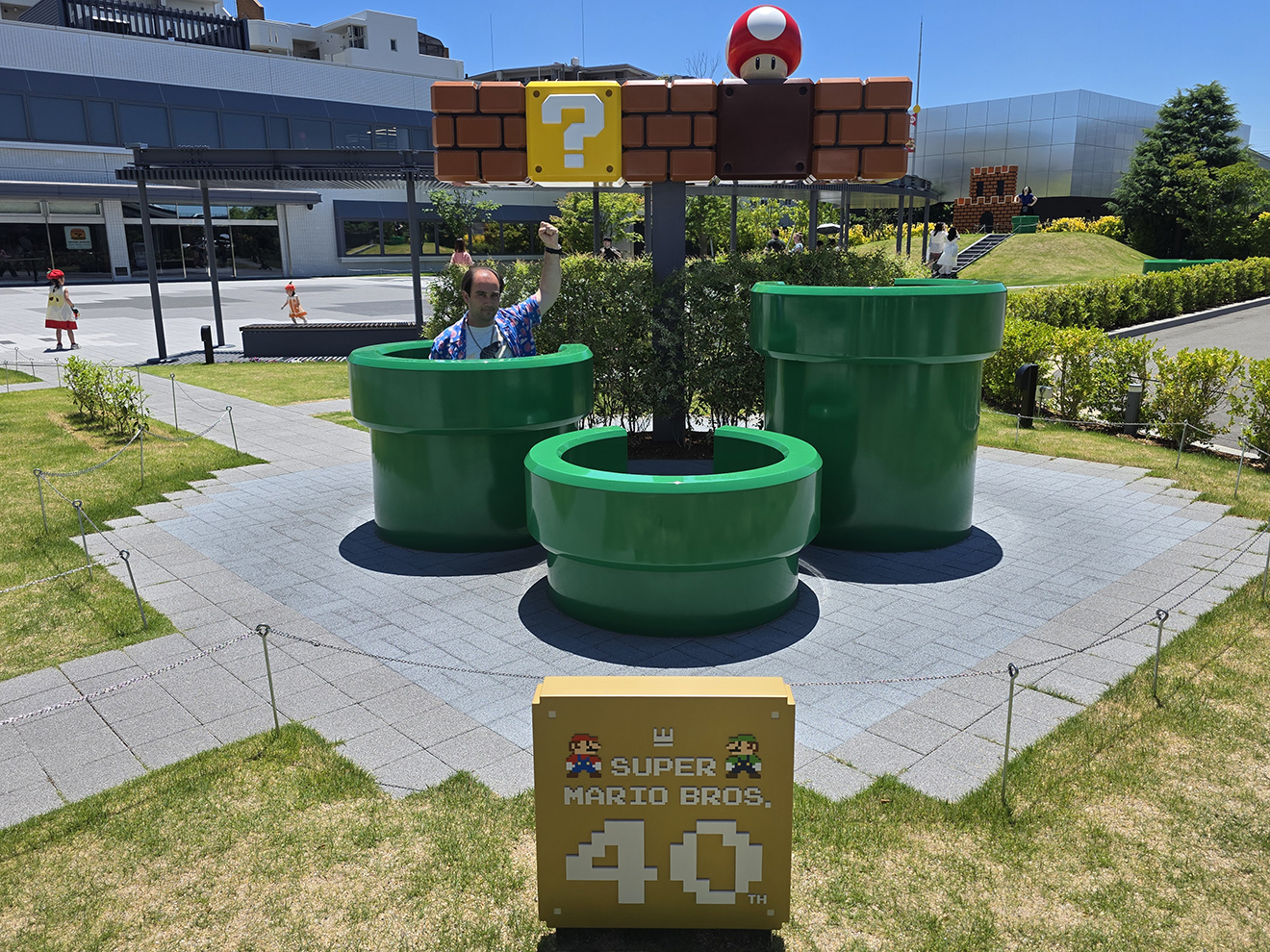
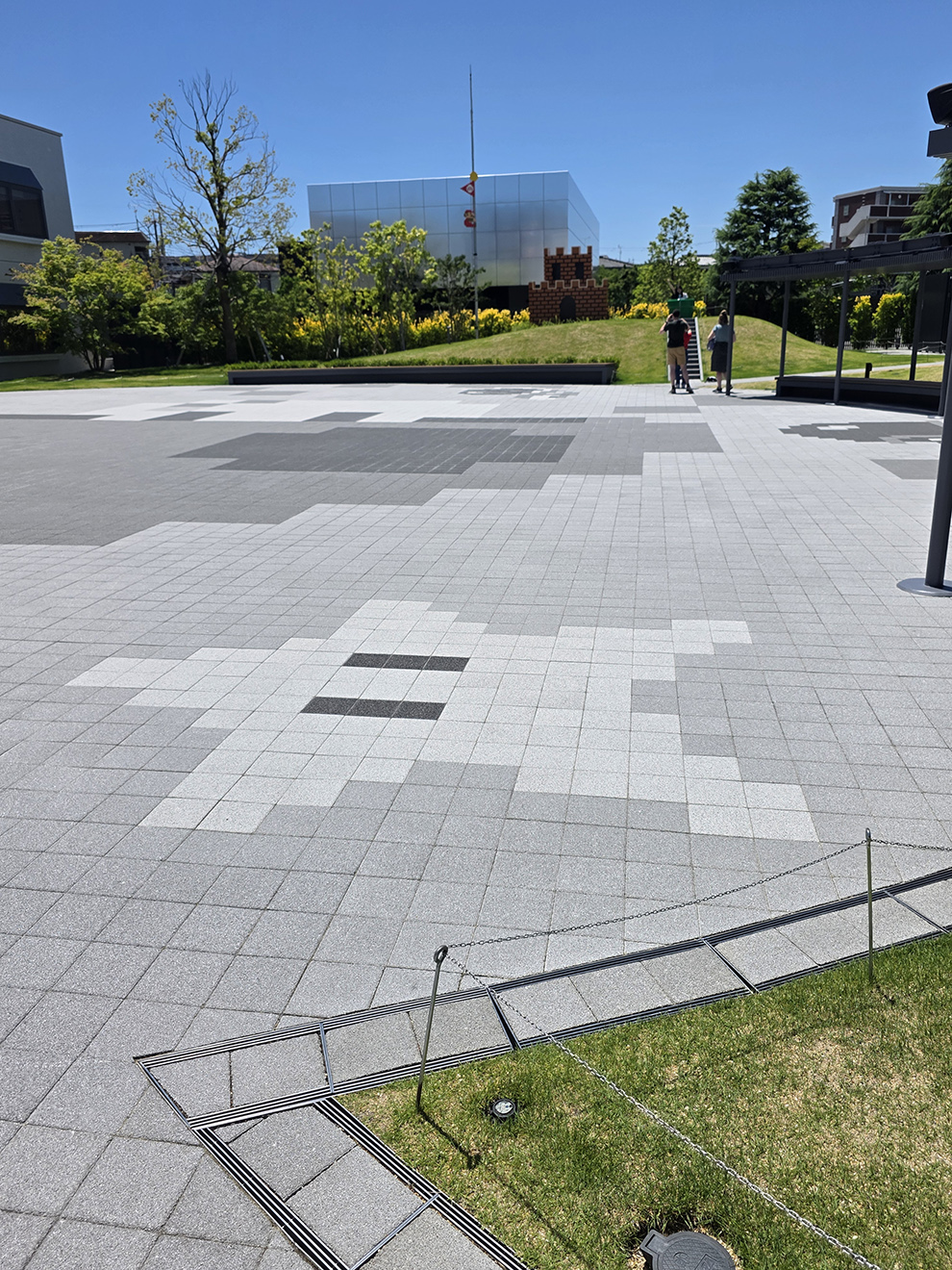
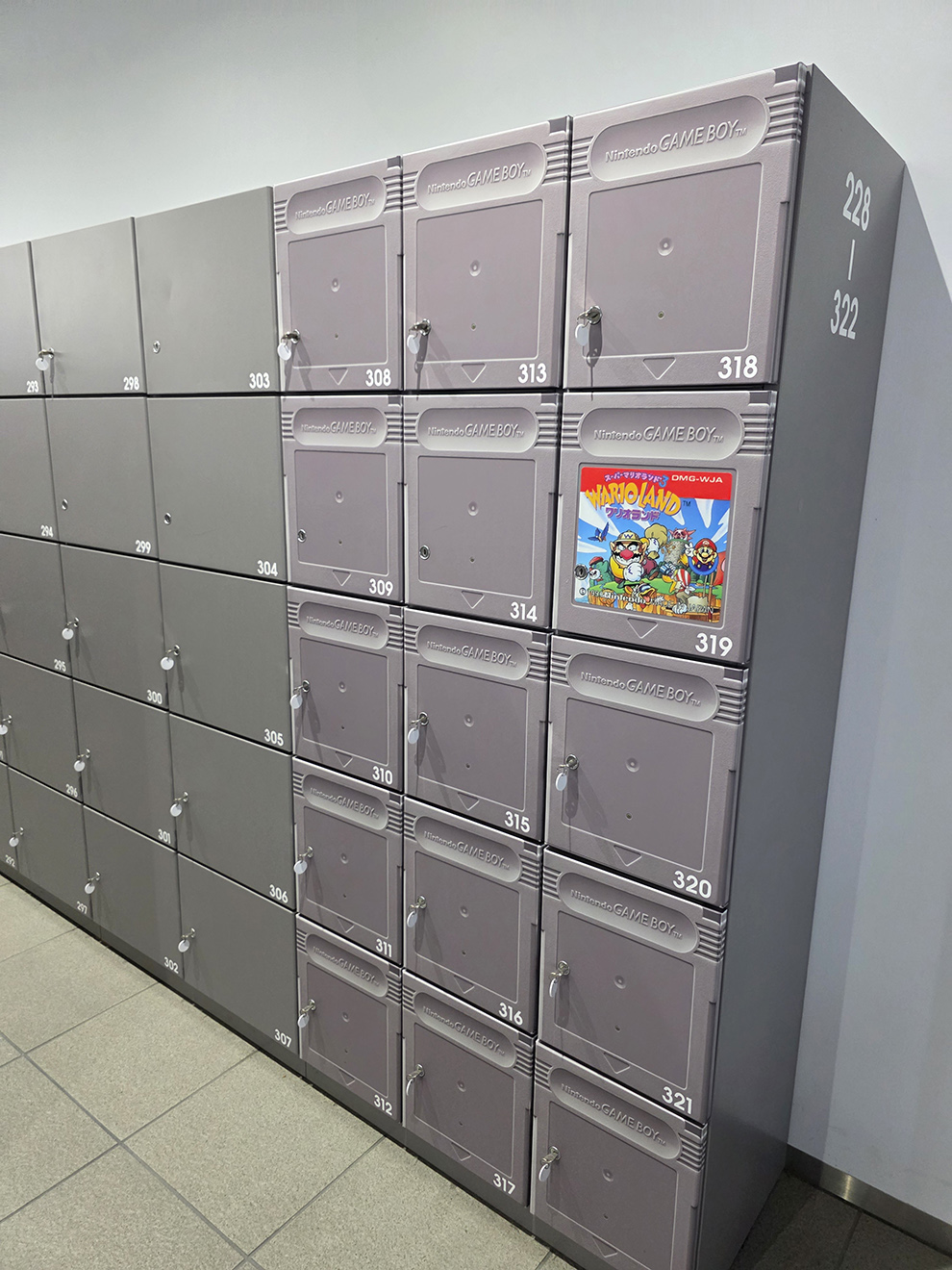
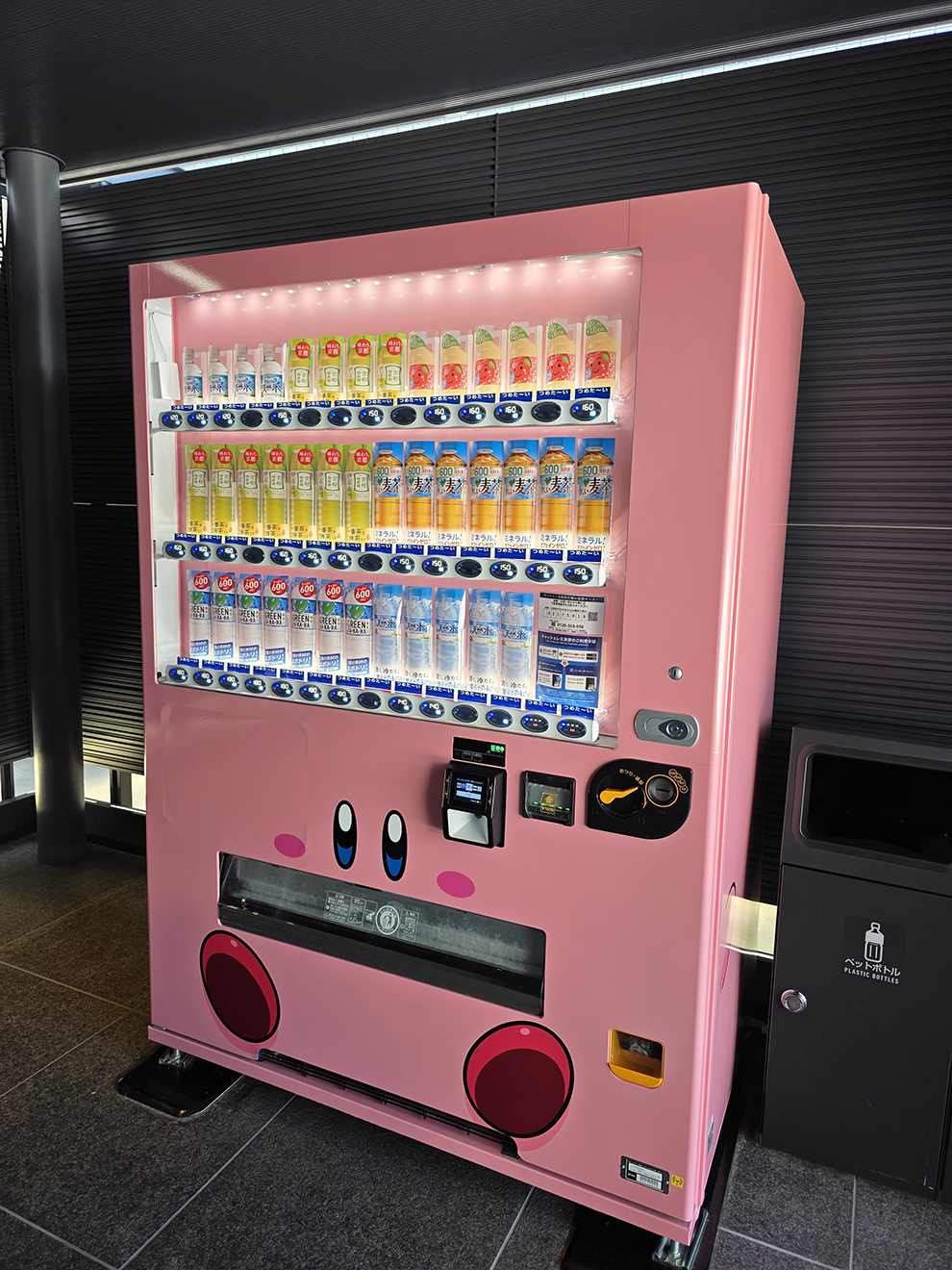
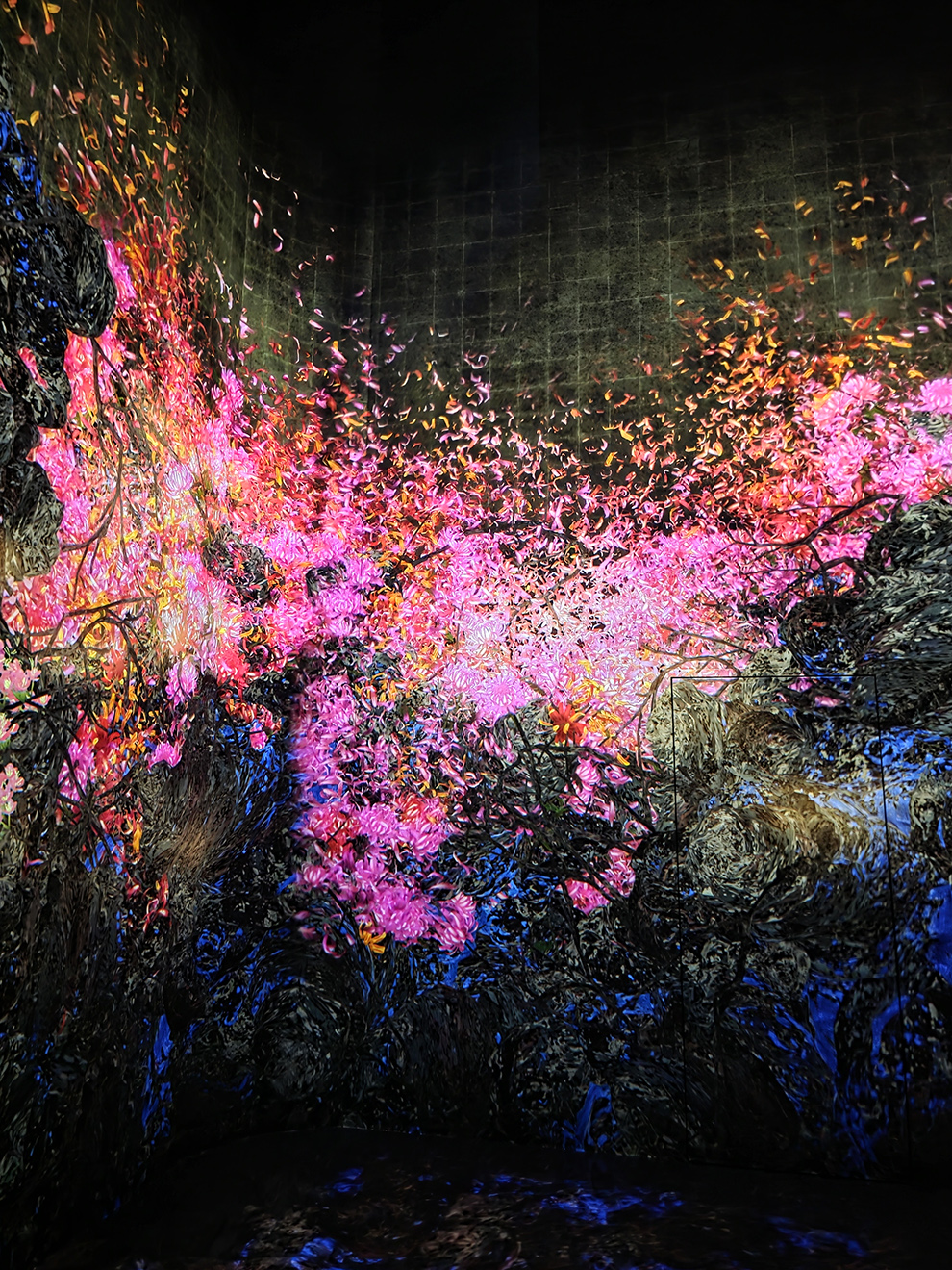
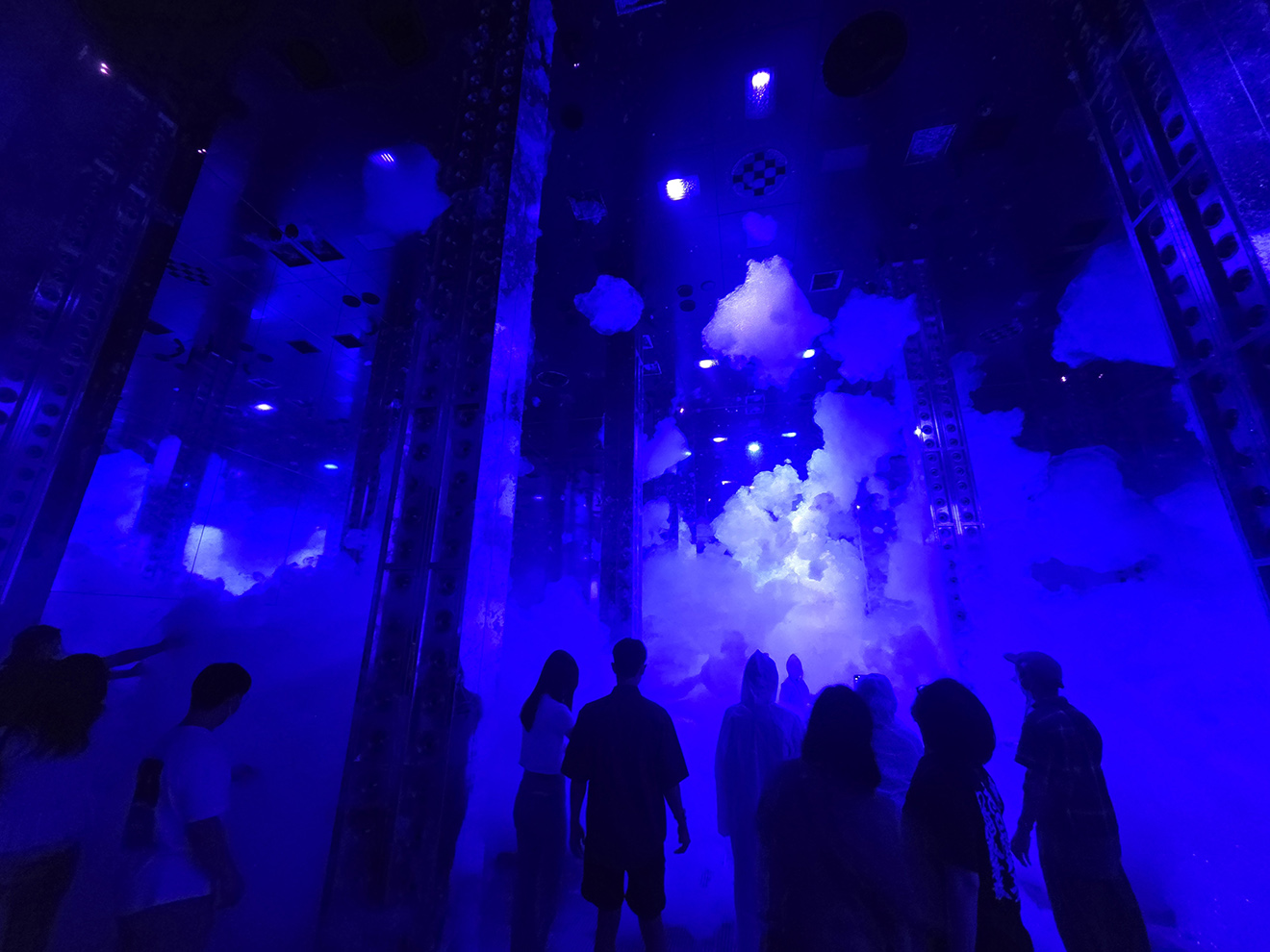
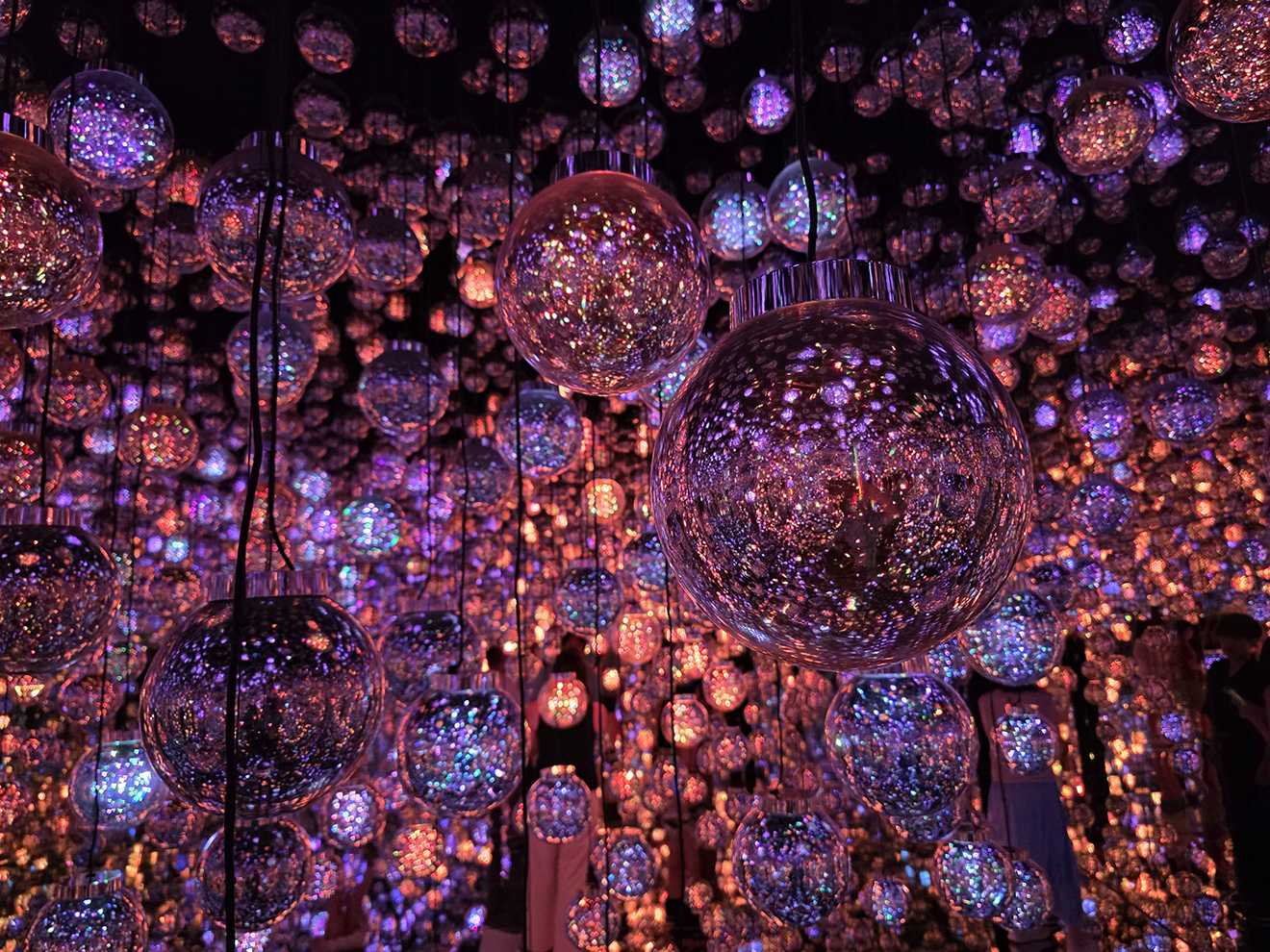
I left my plans for the rest of the day open since I wasn't sure how long the Nintendo Museum would take, though I did have a few options marked down. By the time I finished, I still had enough time for my top choice, TeamLab Biovortex in Kyoto. I half expected it to be sold out for the day but I was still able to get a ticket. In fact, while it was far from empty, Biovortex wasn't especially crowded either, despite being a weekend. Maybe that's because it's pretty new and not so well known yet, but it was nice not having to deal with large crowds. Anyway, TeamLab Biovortex in a full on museum like Borderless and Planets in Tokyo. In fact, the entry area and the first floor is straight out of Borderless, though much smaller and simpler, with artwork moving along the walls between the rooms and changing as it goes. There's also a full immersive room which can be very relaxing or rather intense depending which artwork is currently occupying it. Moving to the upper levels, you start to find the artwork that's unique to Biovortex such as the bubble chamber and slime pit. The megalith garden acts as a hub of sorts for much of it and, like many TeamLab pieces, frequently changes as you explore and revisit it. I'm not going to spoil all the different pieces of artwork, but there were a number of interesting, unique ones (I quite liked this room of light orbs) along with a couple that referenced other TeamLab locations. After making it through all the vortex art, you get to the Athletic Forest, which is extremely similar to the Athletic Forest in TeamLab Planets, with most of the same rooms and activities. Here the smaller crowds were a huge plus, as Planets was extremely busy when I visited (despite it being a weekday) so it was much easier to enjoy everything. The inclusion of the Athletic Forest also makes Biovortex great for kids, as they're really the main target audience for the area (though adults can enjoy much of it too). Over all, I like Biovortex quite a lot. More than Planets, in fact, though I'd say every TeamLab location I've visited is very cool and worth seeing in its own right. If you're in Kyoto and need a break from shrines and temples, be sure to check it out.
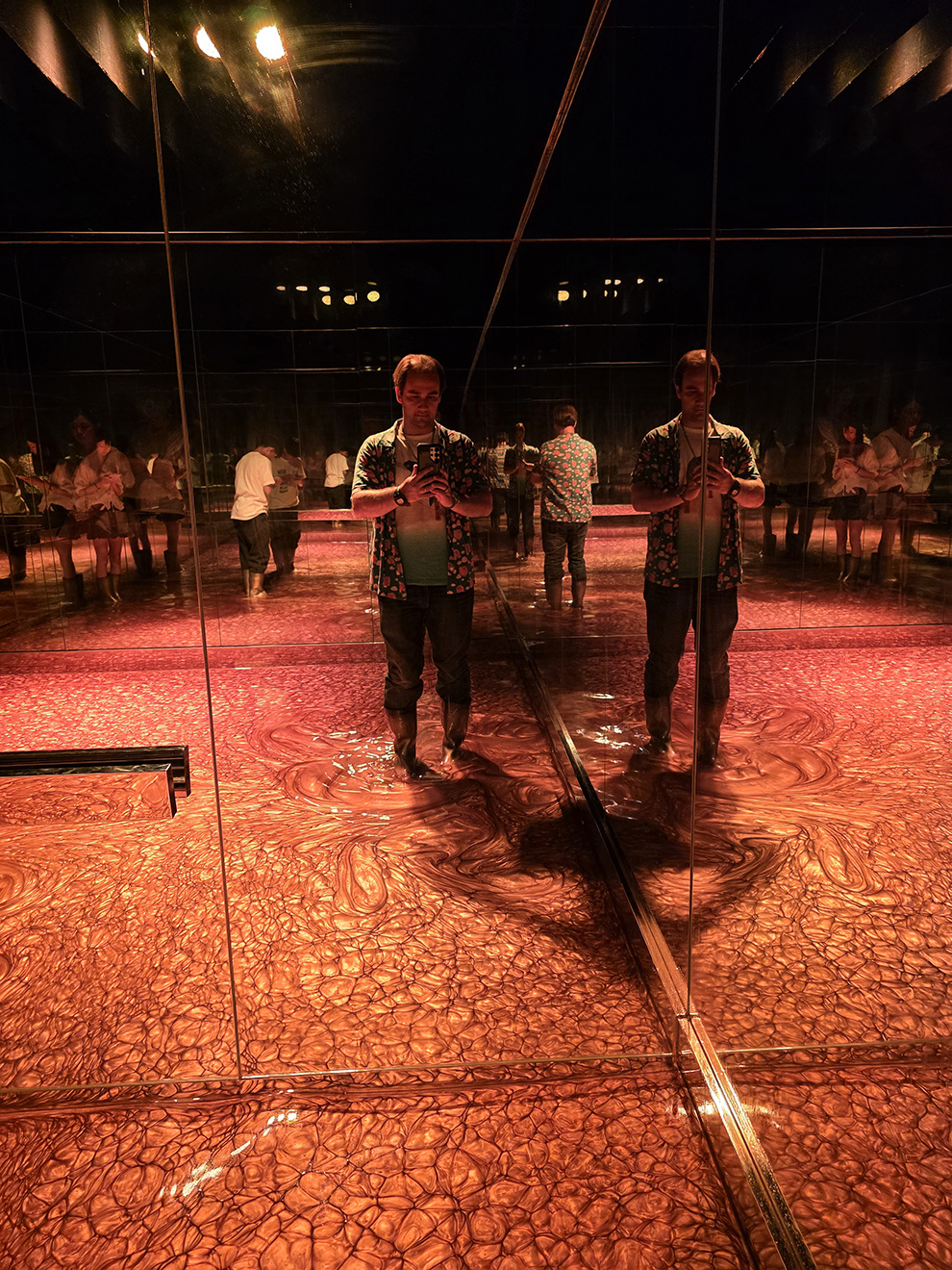
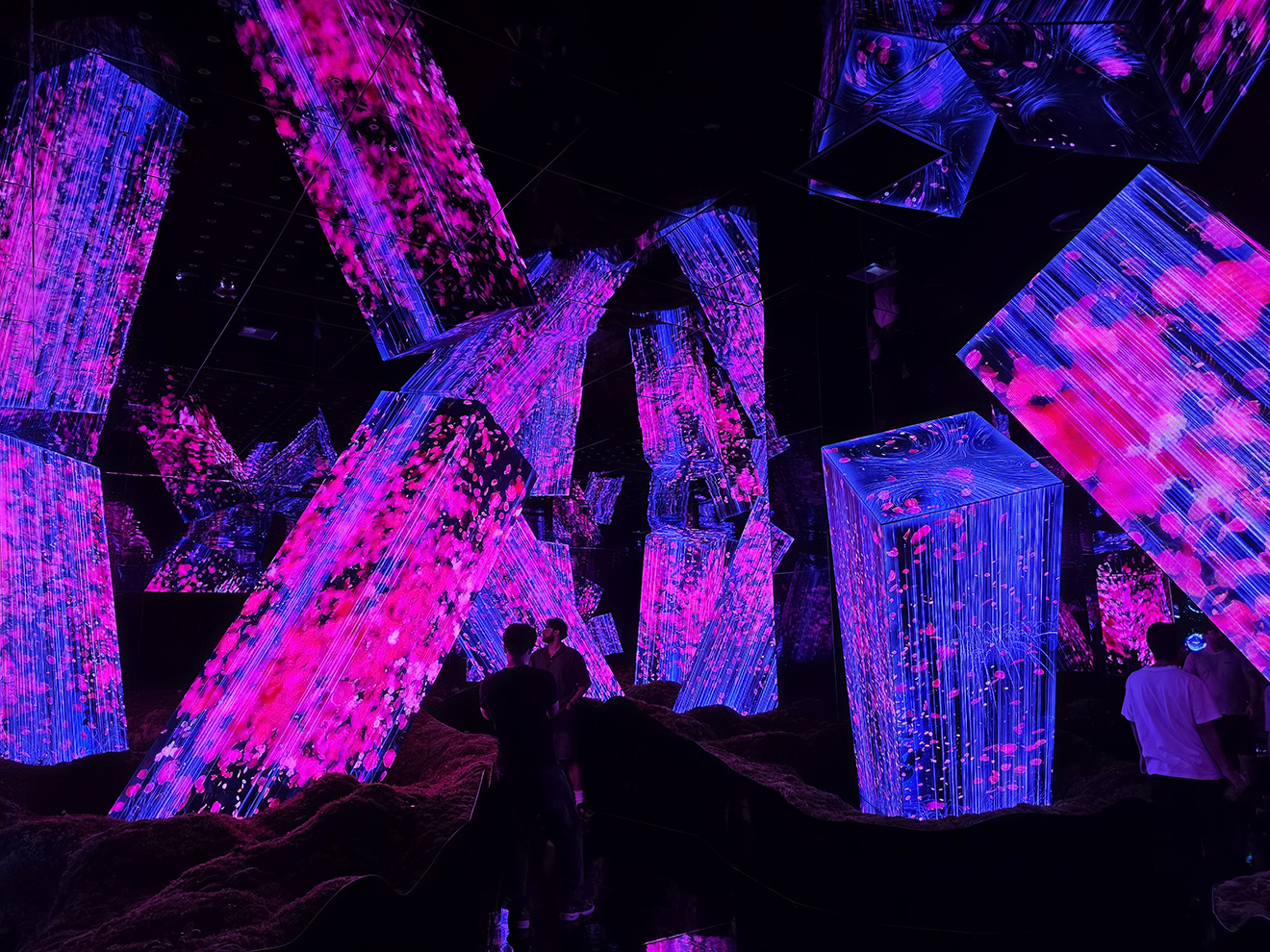
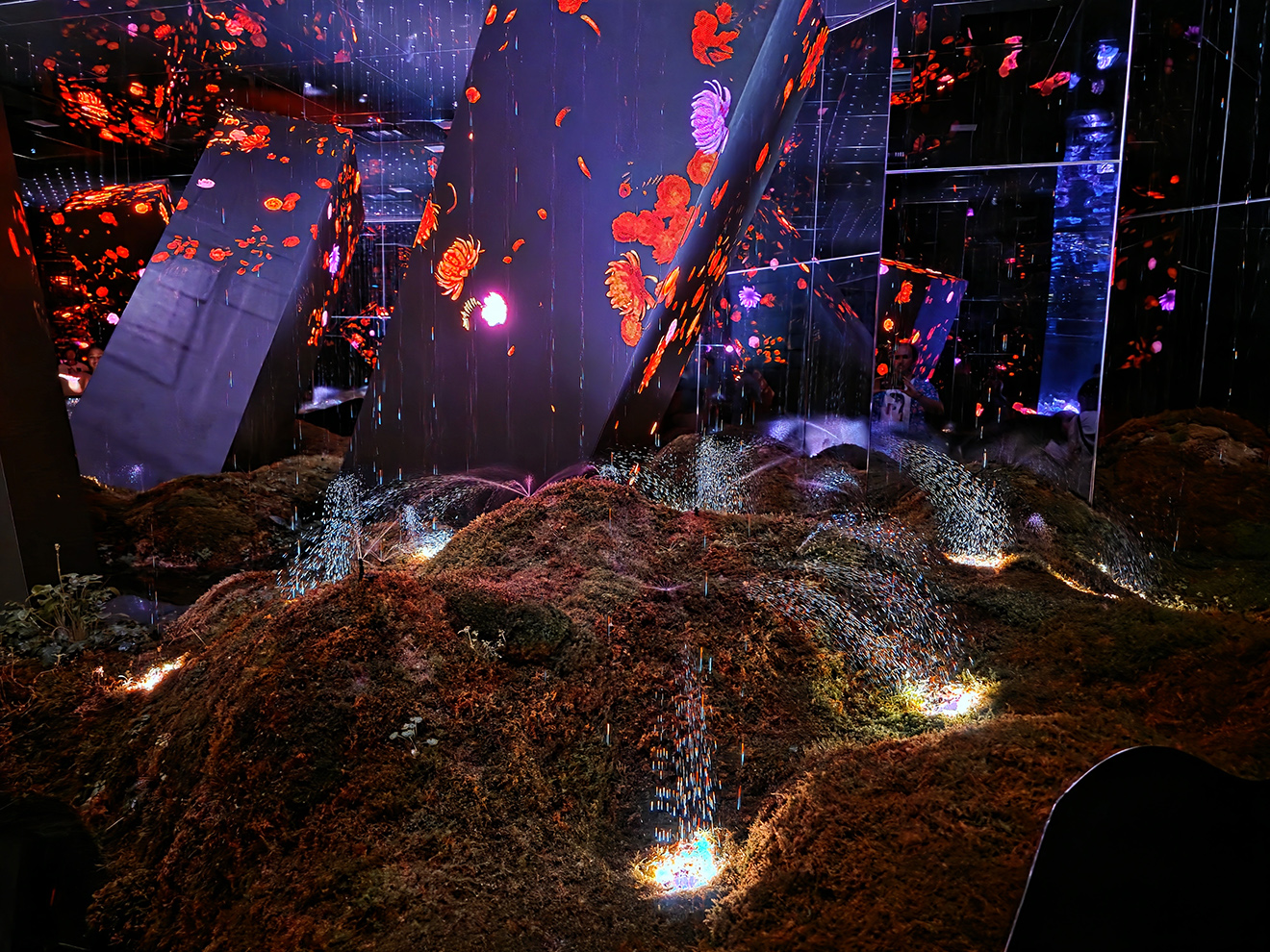
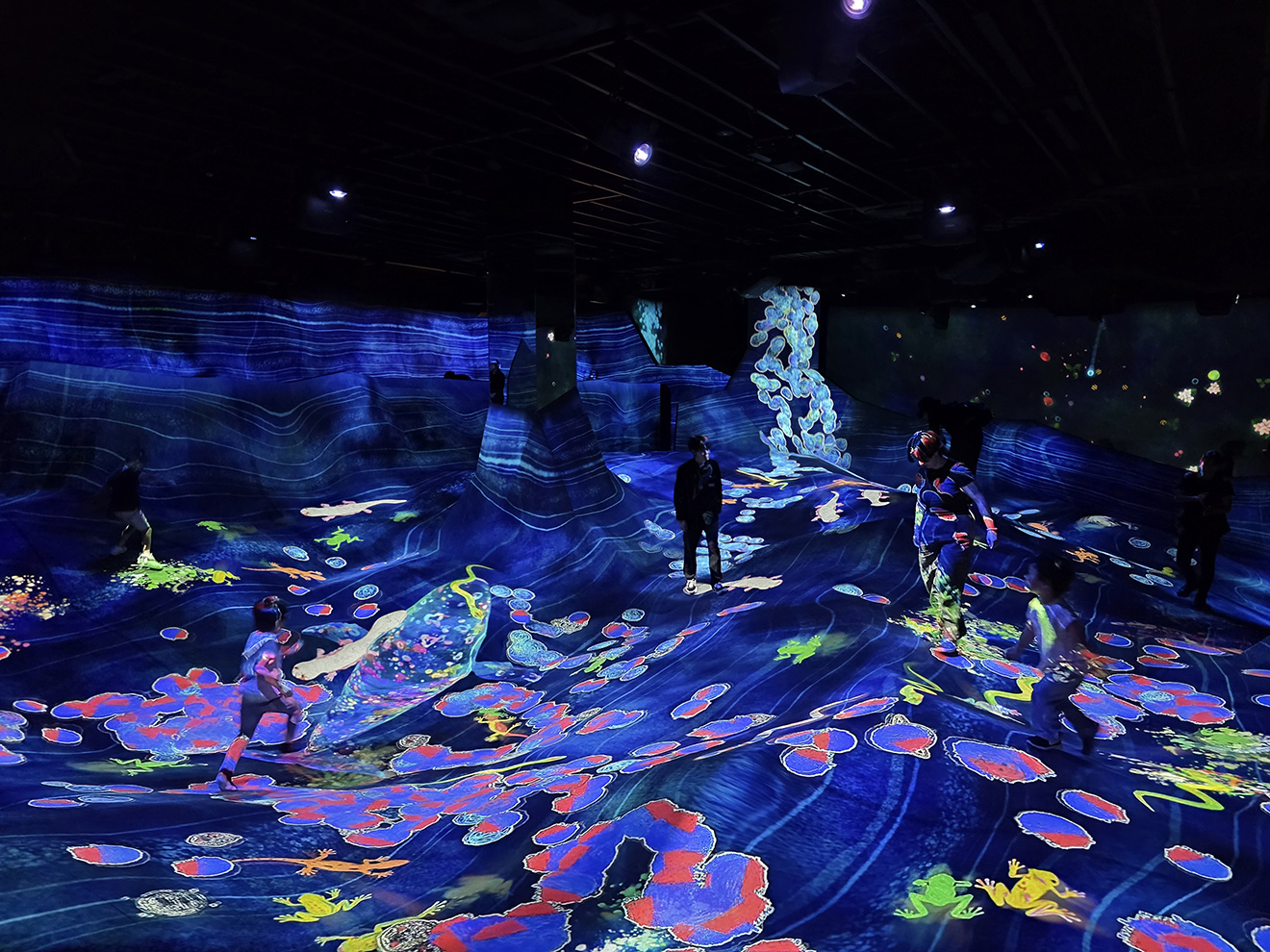
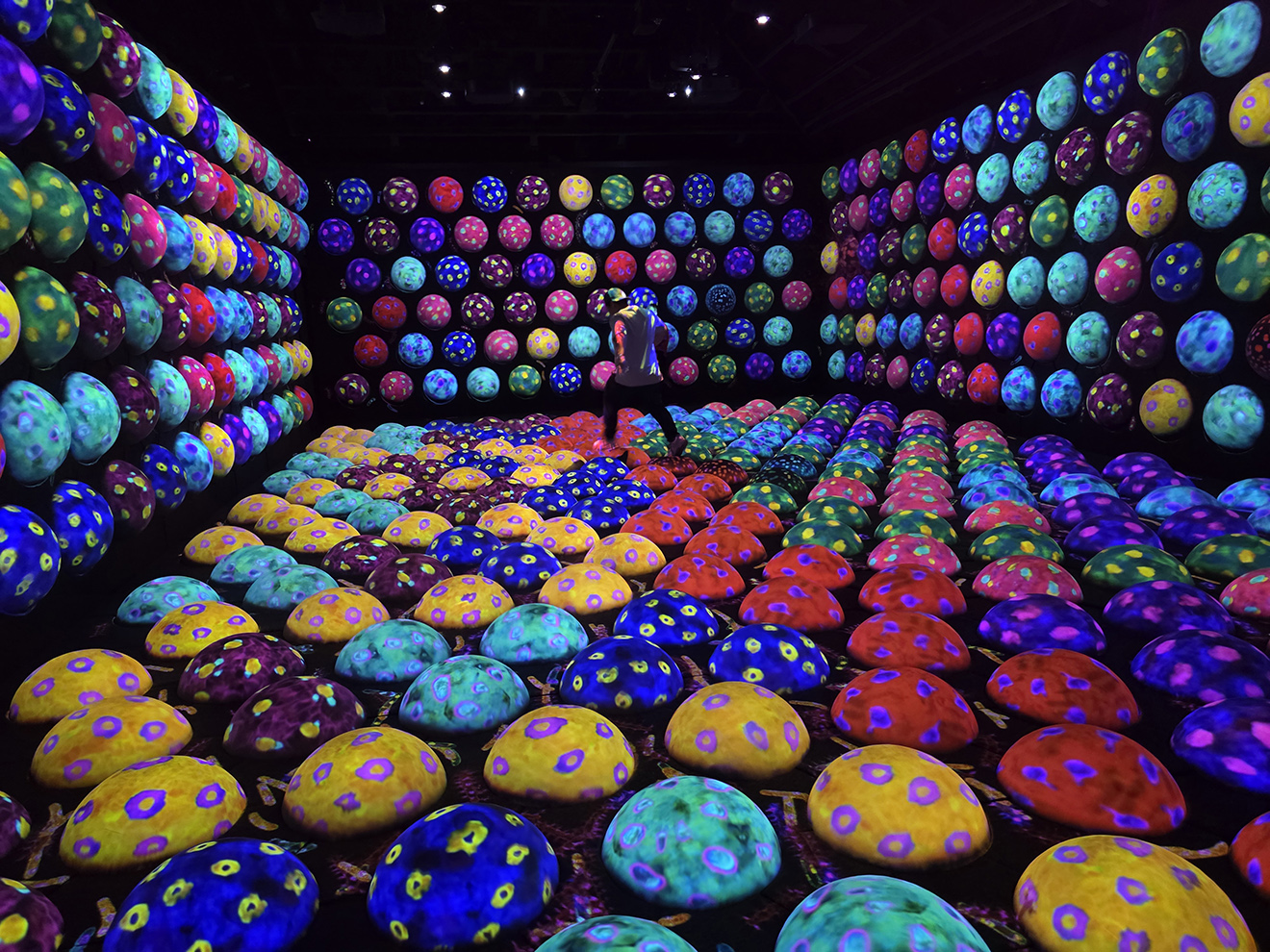
After finishing my explorations, I headed back to Osaka and made one last visit to Dotonburi for dinner before returning to the hotel to prepare for tomorrow's return trip to Tokyo
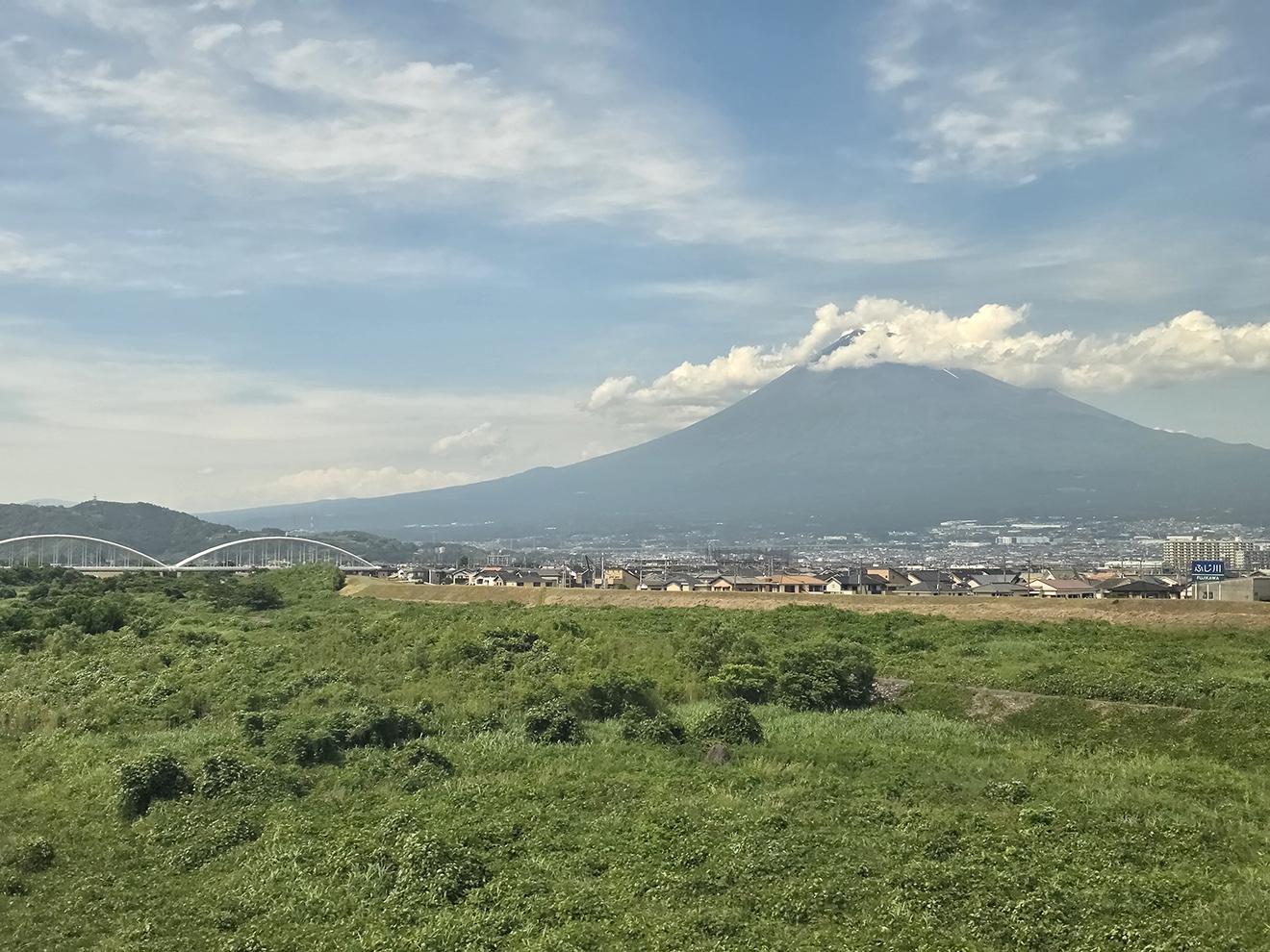
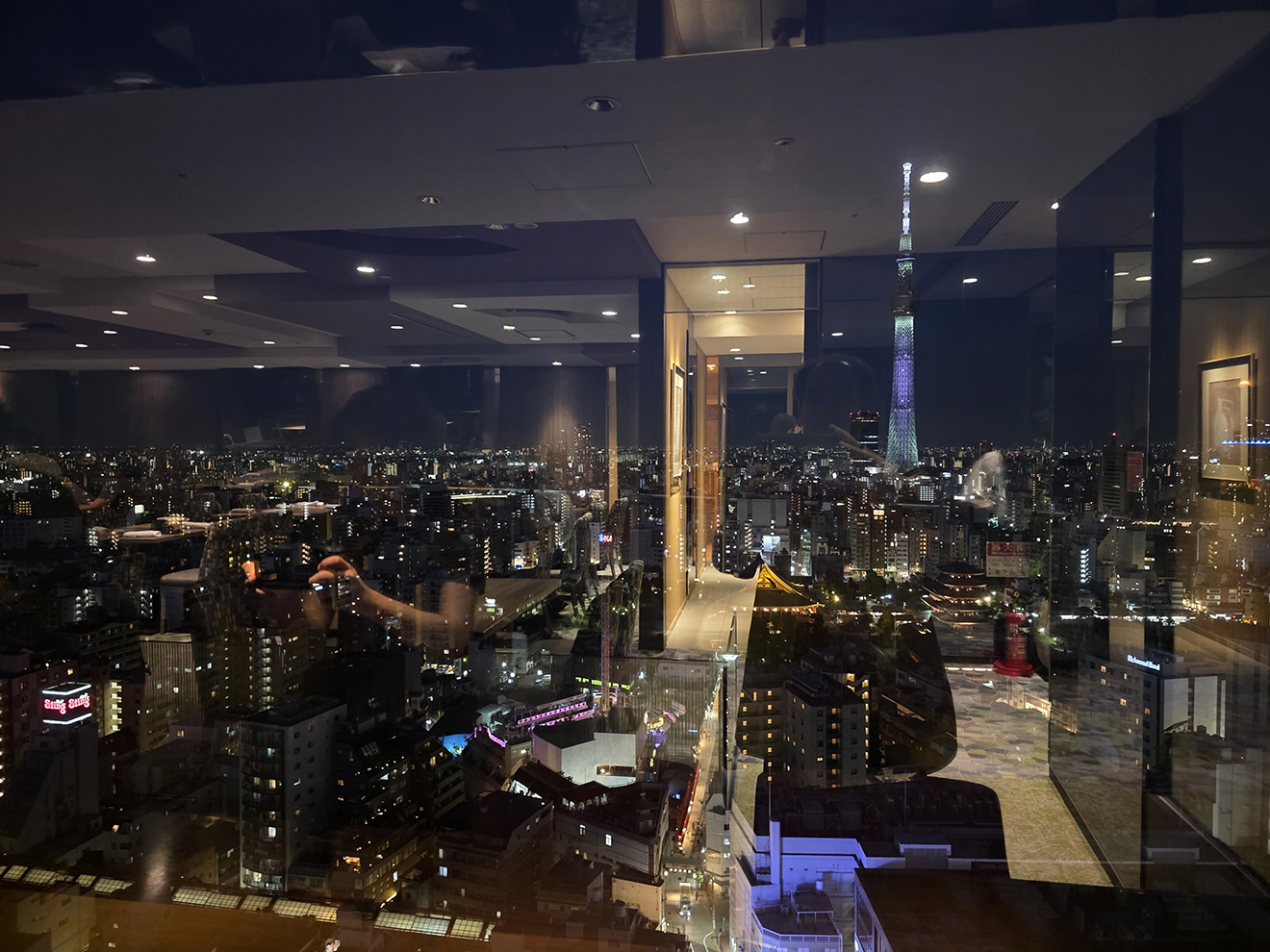
After getting settled back in Asakusa, we had our slightly early farewell dinner, complete with a nice view of the city. Only one day left in the tour and a couple of days before I head home...

Pokemon Go Fest was happening in Tokyo this year, and I managed to get a ticket. If you're not familiar, Pokemon Go is the wildly popular Pokemon AR mobile game where you walk around and catch pokemon on your phone. Go Fest is the game's biggest annual event. There's a global version you can participate in anywhere, but they hold a full on event in several cities as well, with all sorts of special content. One of the Go Fest cities is always in Japan, though the location varies. Last year, for example, it was in Osaka. I actually had thought about going on my free day, but the tickets had already sold out. This year though it was in Tokyo (Odaiba, specifically) and I was able to get a ticket for Monday evening (the last time slot, and the only one that really worked with my tour schedule anyway). As I said, Go Fest took place in the parks around Odaiba over several days. While it was all public areas so you weren't ticketed or anything, the in-game content was only available if you purchased a ticket (they went on sale earlier in the year and sold out fairly quickly), and even then only during your specific four hour time slot. It did seem to do a good job preventing overcrowding. While there were a lot of players around, it never got too crazy, even when combined with the usual Odaiba crowds. Basically, the play area was divided into four zones. Each zone featured a series of tasks you could complete in-game for assorted items and such and different pokemon to catch (including some rare and region locked ones) with boosted shiny rates. There was also a series of tasks to unlock zeraora (though, once you got that one started, you could wait until after the event to complete it if needed). Meanwhile, in the real world, there were a number of photo spots and a couple of shows. Fortunately, despite all the people, the cell service and game servers remaining pretty steady, if not quite perfect. It helped that they had a ton of extra transmitters scattered around the area. Interestingly, there wasn't much in the way of shopping. The limited selection of merch had to be pre-ordered ahead of time and there wasn't too much in the way of food stalls or anything like that (though Odaiba has no lack of shopping and dining of its own). I think the goal was to avoid any giant lines forming. The way the tasks, raids, and such were set up, you were encouraged to keep moving from zone to zone rather than hanging out in one place for too long. Over the course of about three hours, I made a couple of loops of the area (along with a bit of waiting and some back and forth depending on what my current tasks required), finished all the zone specific tasks, and most of the zeraora tasks. For the final half hour, everyone was assigned a specific area for two raids featuring Mega Mewtwo X and Y. These weren't exactly normal raids as, among other things, they allowed hundreds of trainers and required a special unity attack to win. This was my first time taking part in such a big Pokemon Go event and it was fun. There could have, perhaps, been a bit more real world content, but I enjoyed running around, completing tasks, and filling in gaps in my pokédex (got some nice shinies as well). While I don't think I would travel somewhere far away just to participate in Go Fest (though a number of people clearly did), if I happen to be in the right area in the future, I'd definitely try and join.
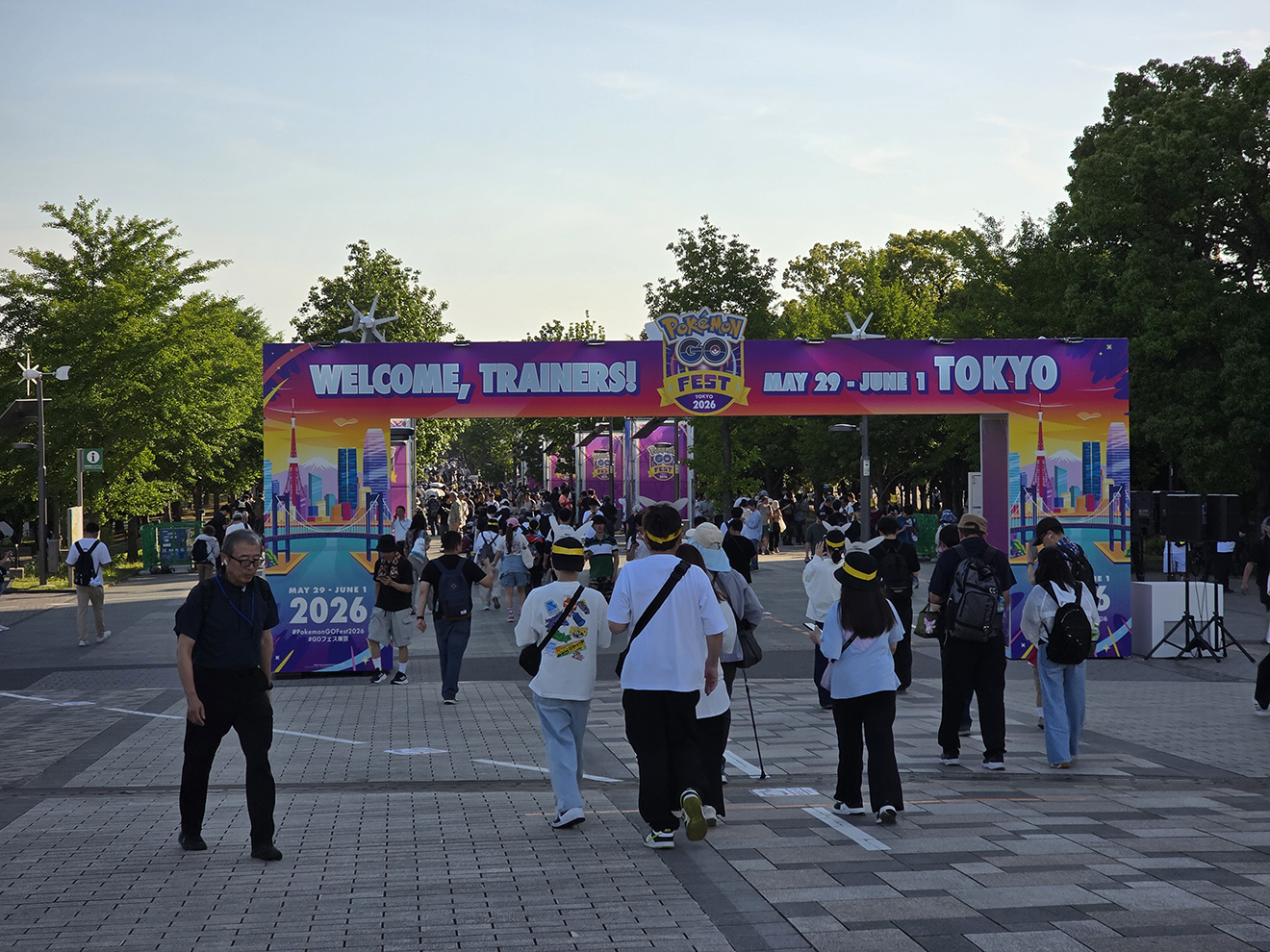
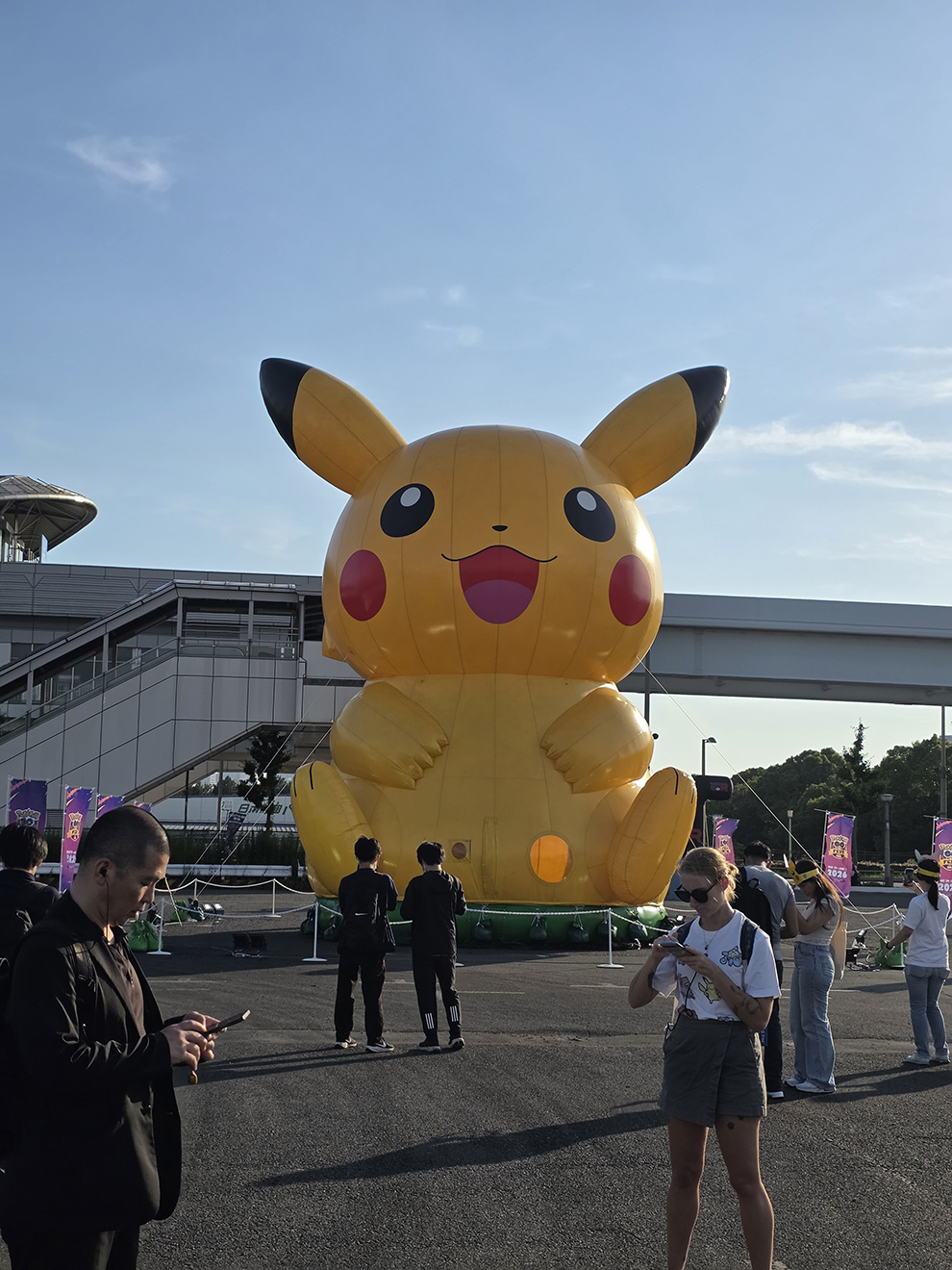
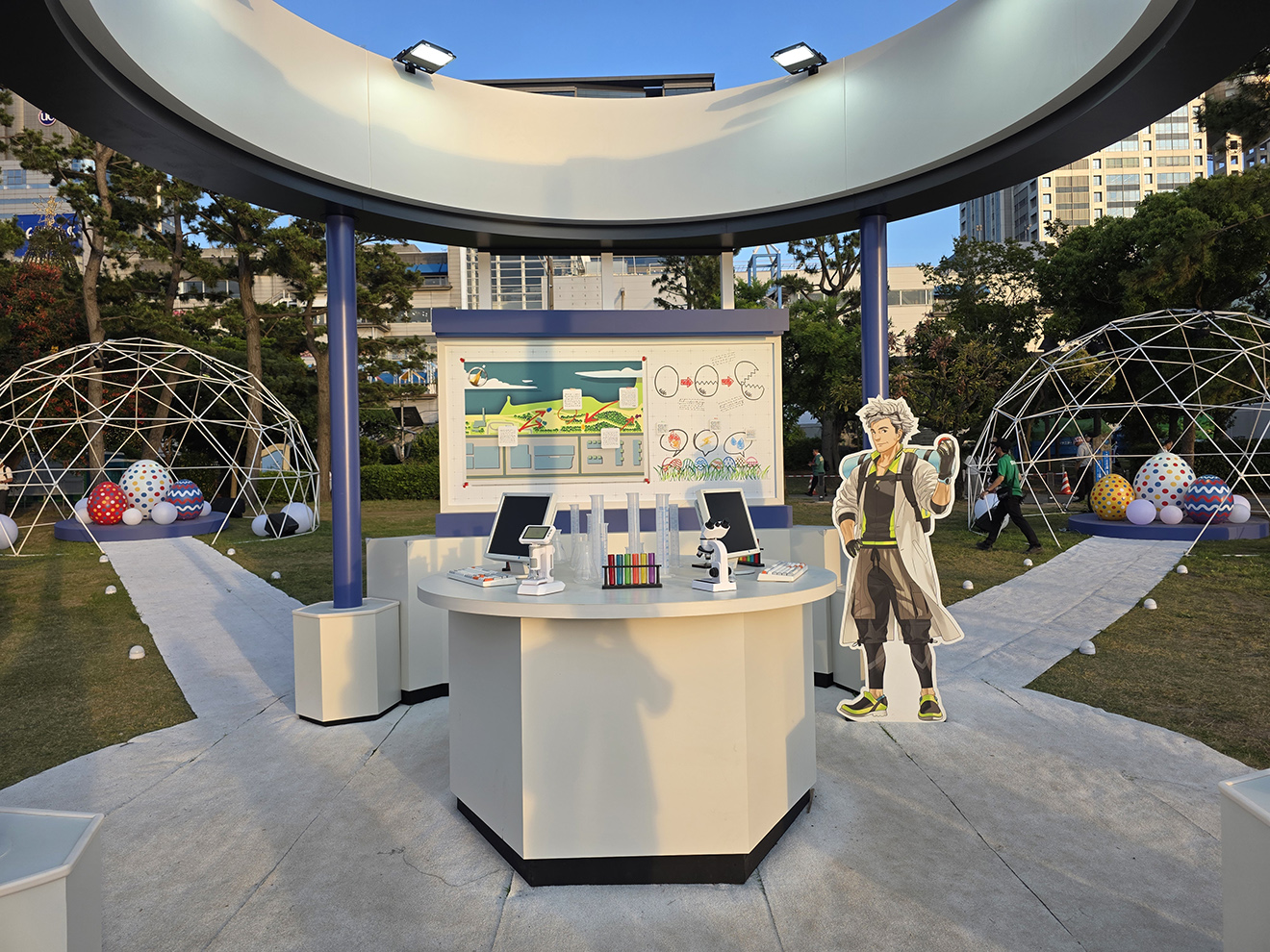
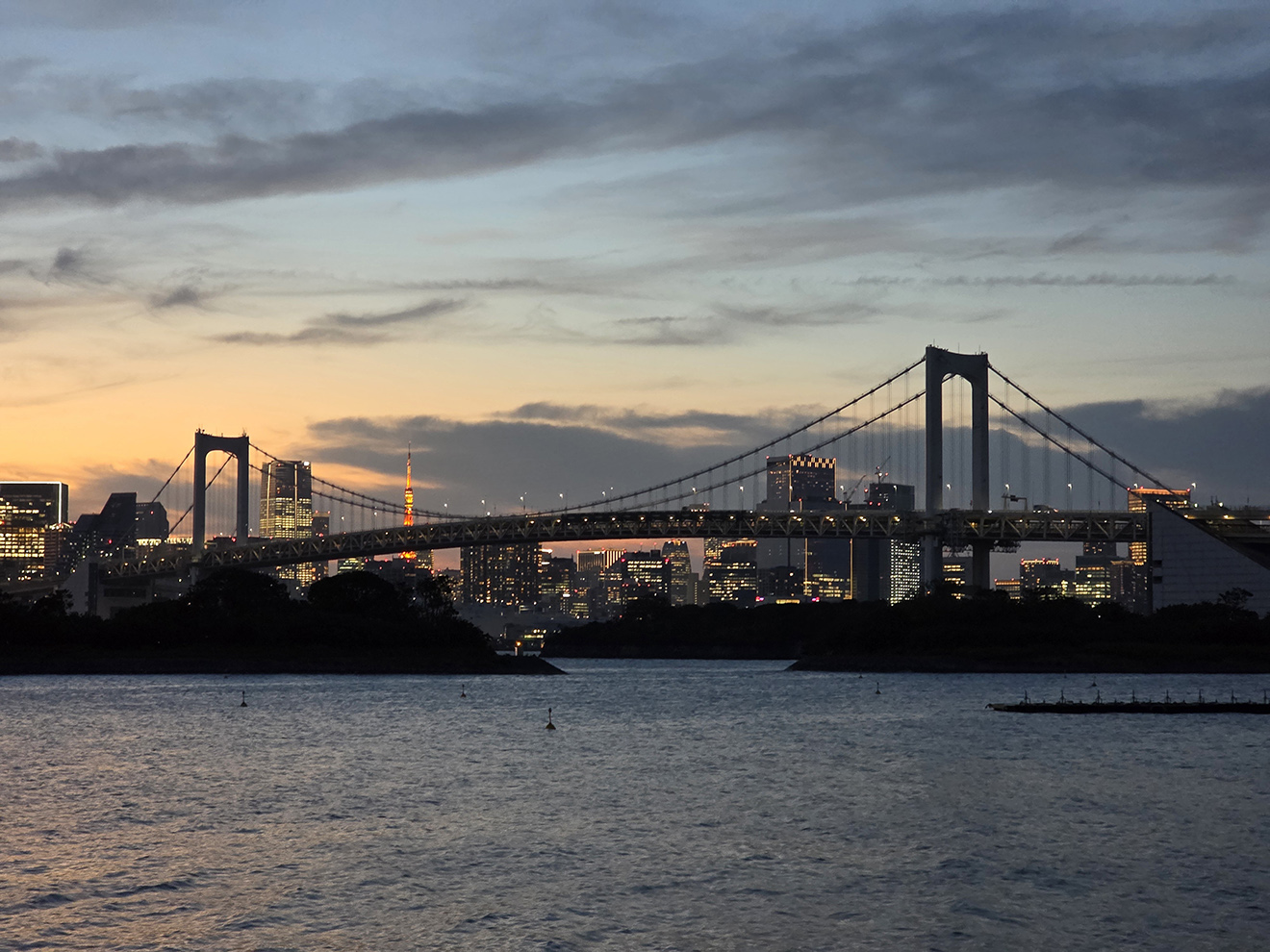
After the event ended, I hung around Odaiba for a little longer to watch the Aqua Symphony, which featured a mixture of classical music and J-Pop. Got to say, it's a lot better after dark with all the lights.
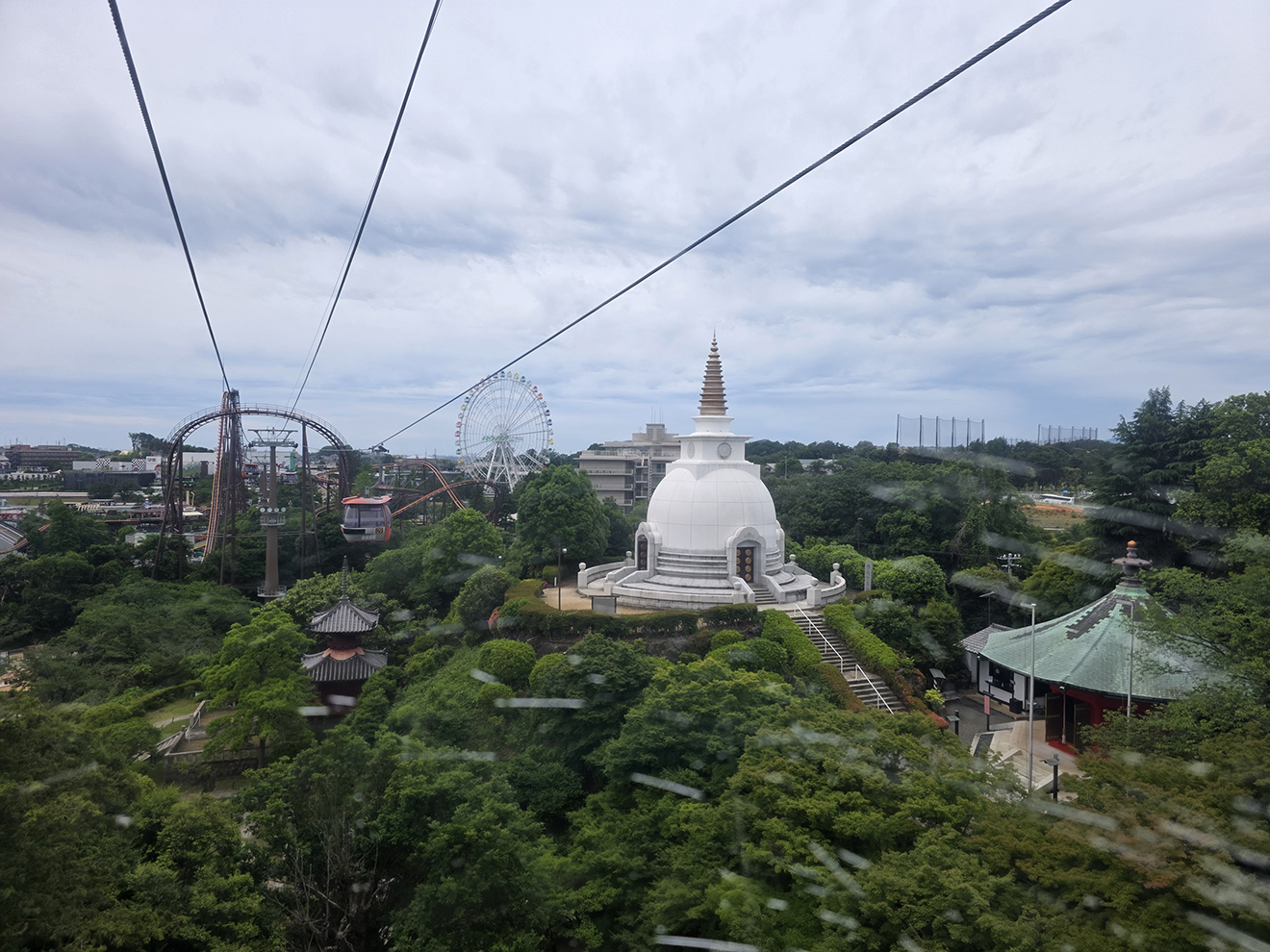
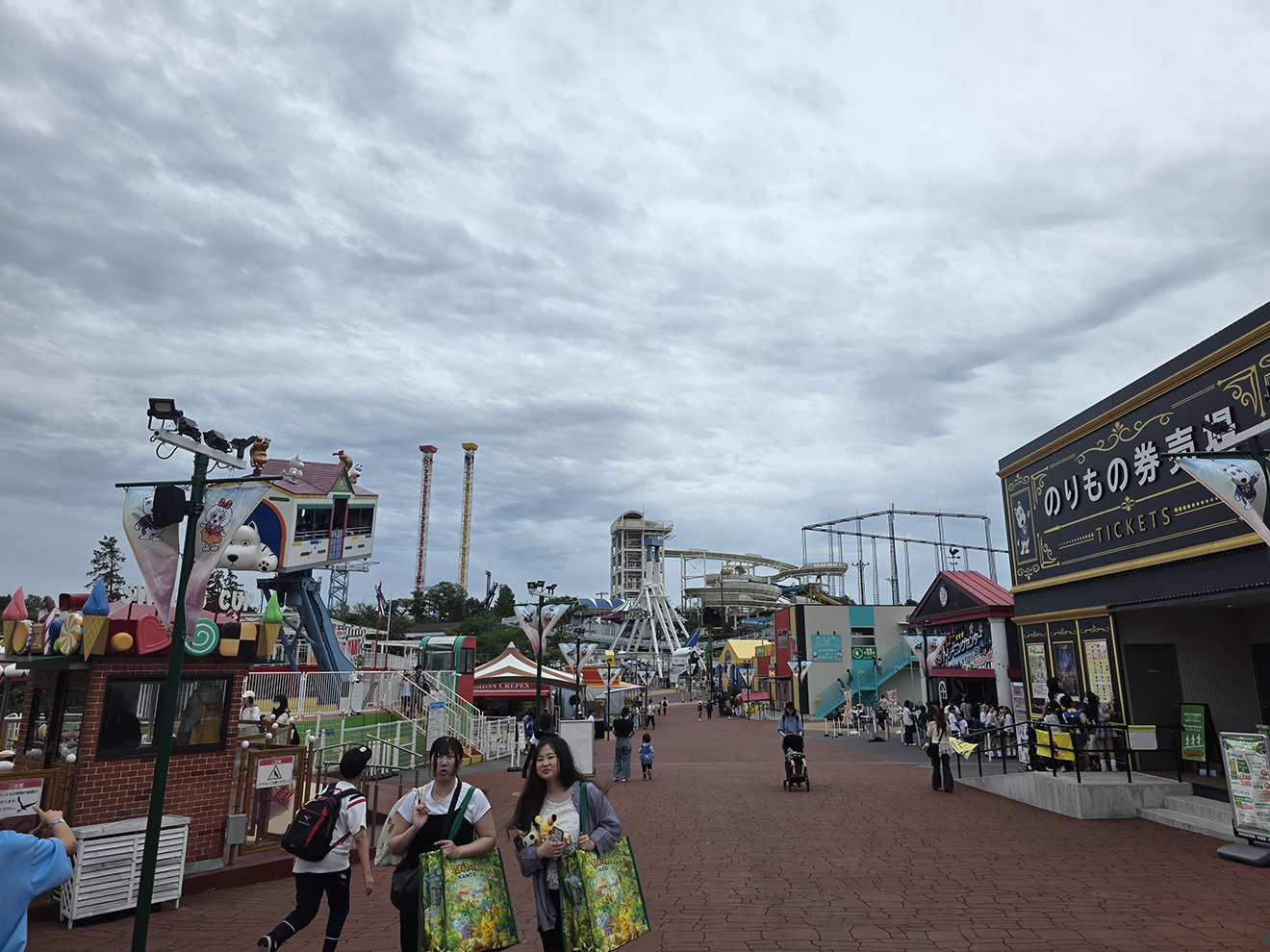
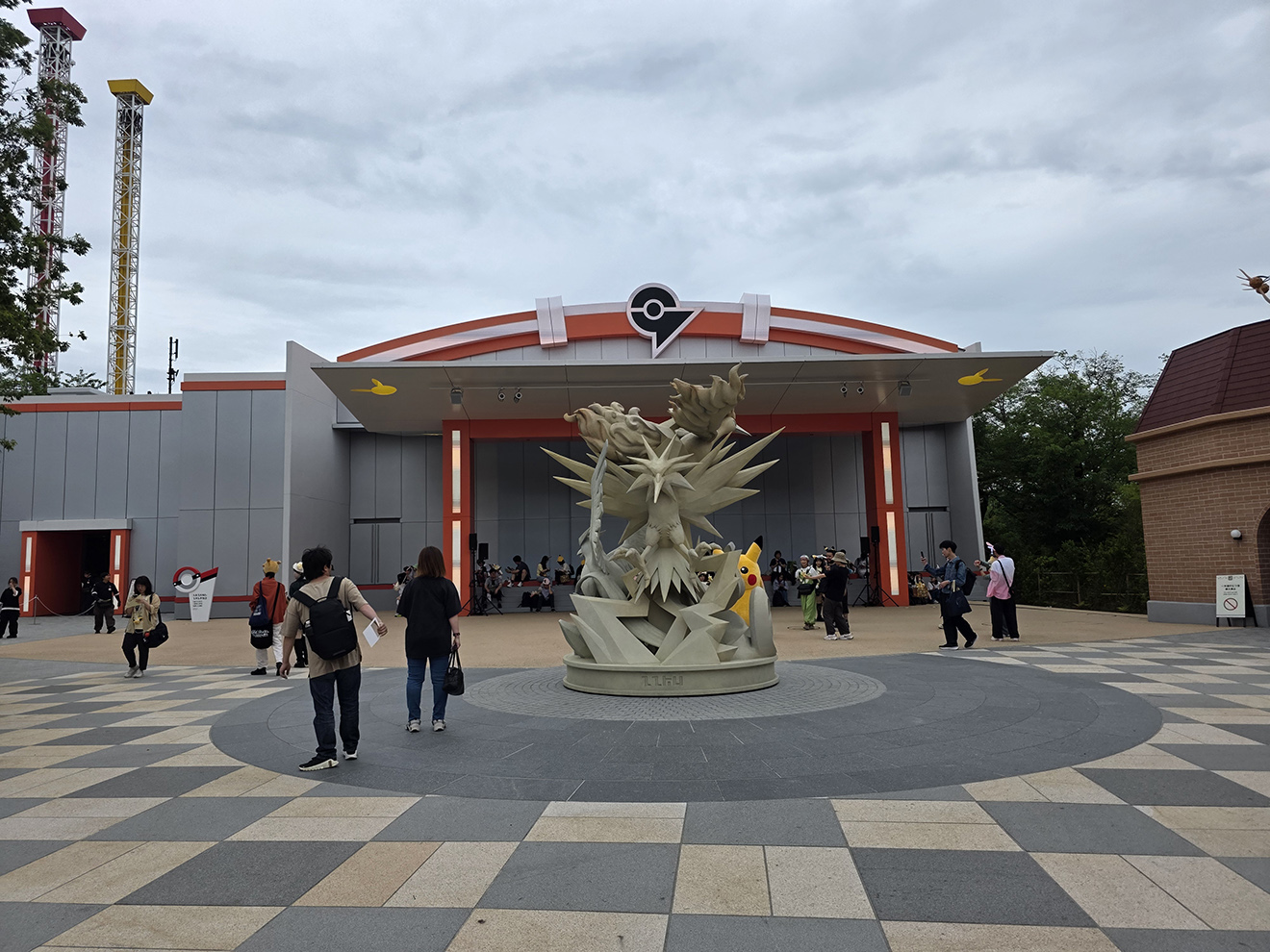
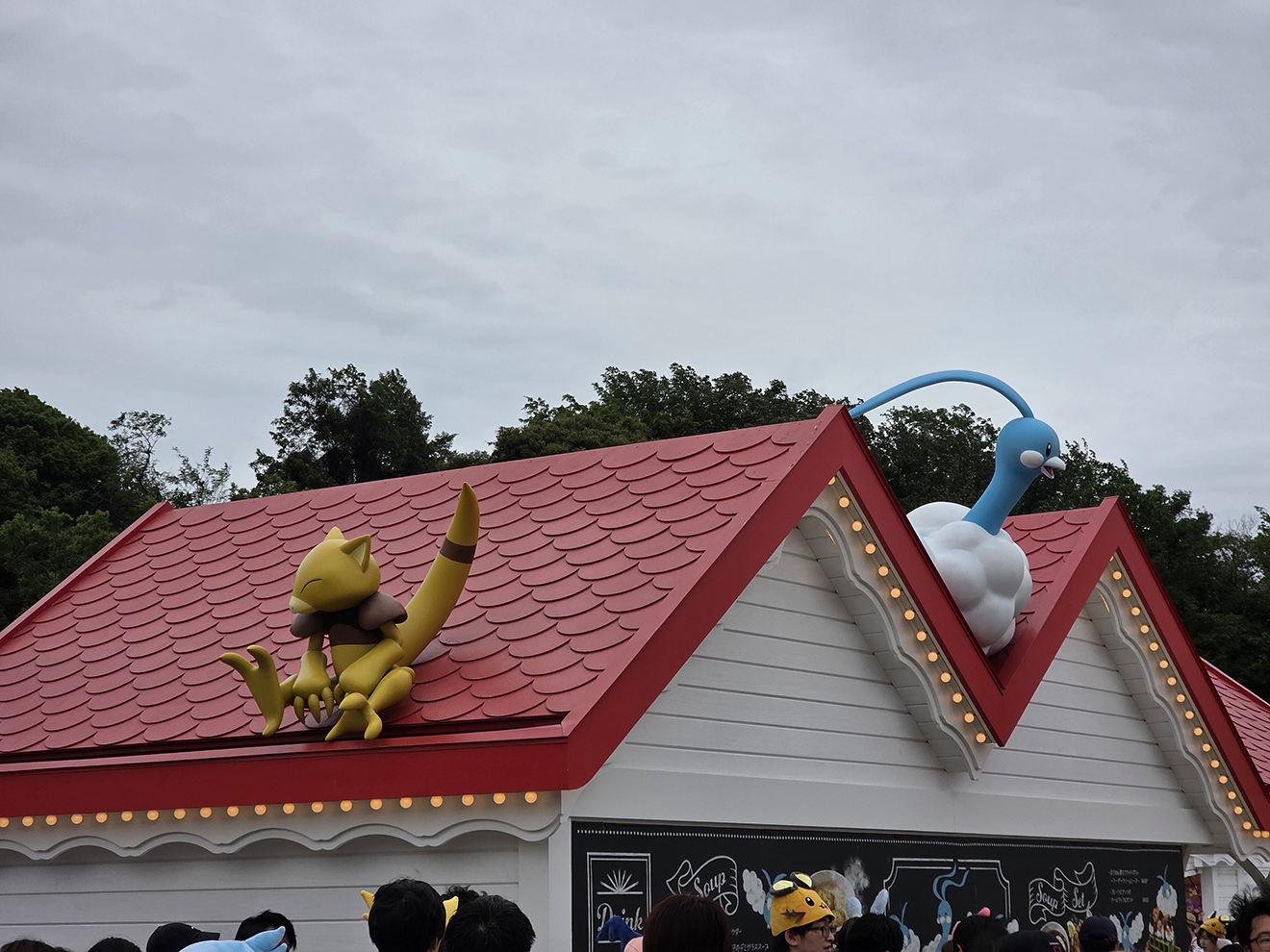
Anyway... PokePark Kanto is inside Yomiuriland, an amusement park in the hills on the outskirts of Tokyo (FYI: The temple complex in that photo is not part of Yomiuriland, it's one of a few other attractions in that area). Yomiruiland has been around a bit over 60 years and is primarily aimed at younger kids, which is why I never visited before. There are separate entrance lines for people with PokePark tickets and those who just want to visit Yomiuriland (when I went, the PokePark line was much longer) but you enter the park at the same place. Keep in mind that, while a PokePark ticket gets you into Yomiuriland, it doesn't get you on any of the rides. You can either buy tickets for them individually or get an all day wristband if you want. I looked around Yomiuriland a bit, but didn't see much that interested me. I did decide to go on the one large rollercoaster though. It was fun (if not super intense) and had some nice views, though I'm not entirely sure if was worth the wait and the extra ticket price.
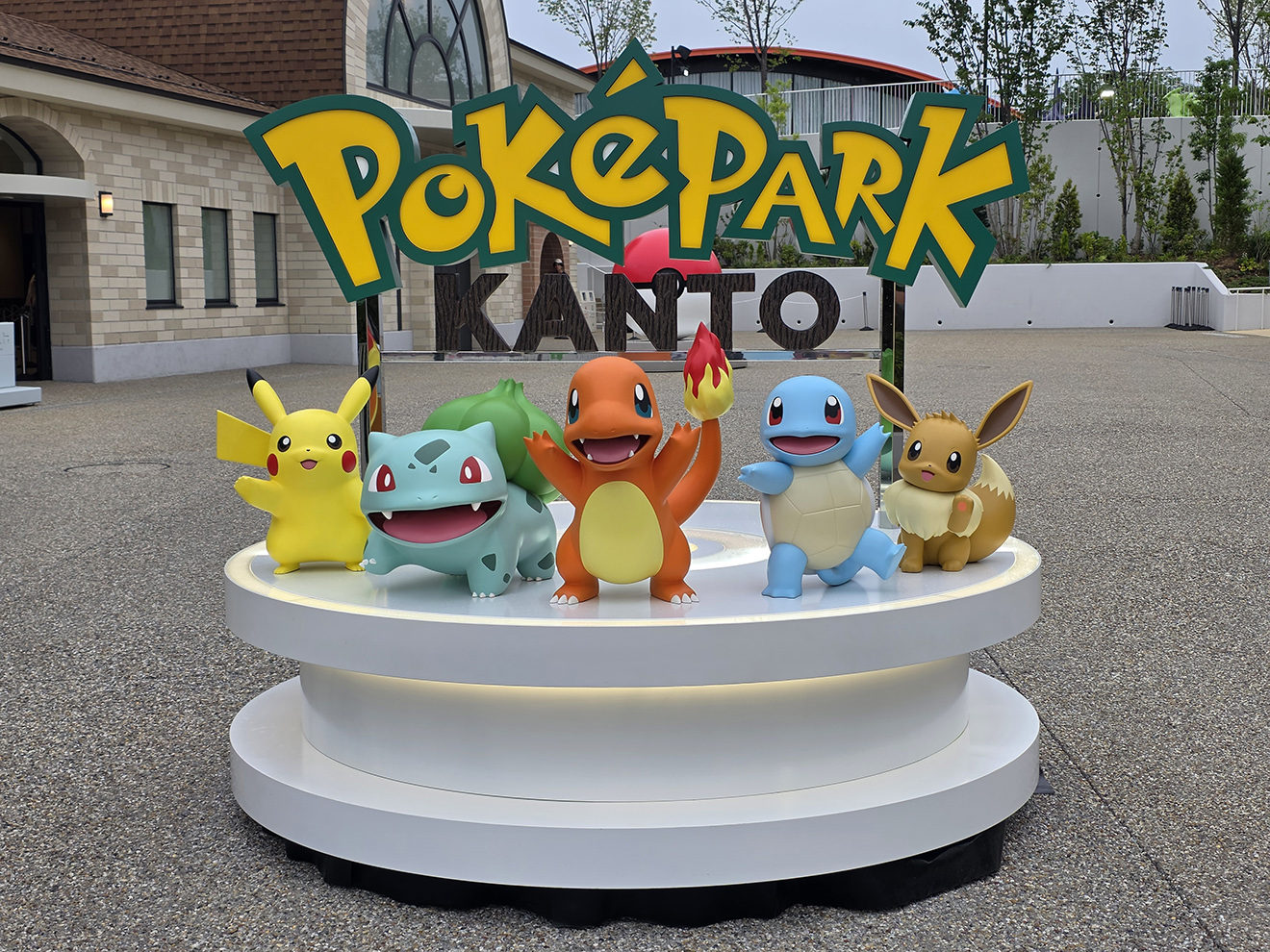
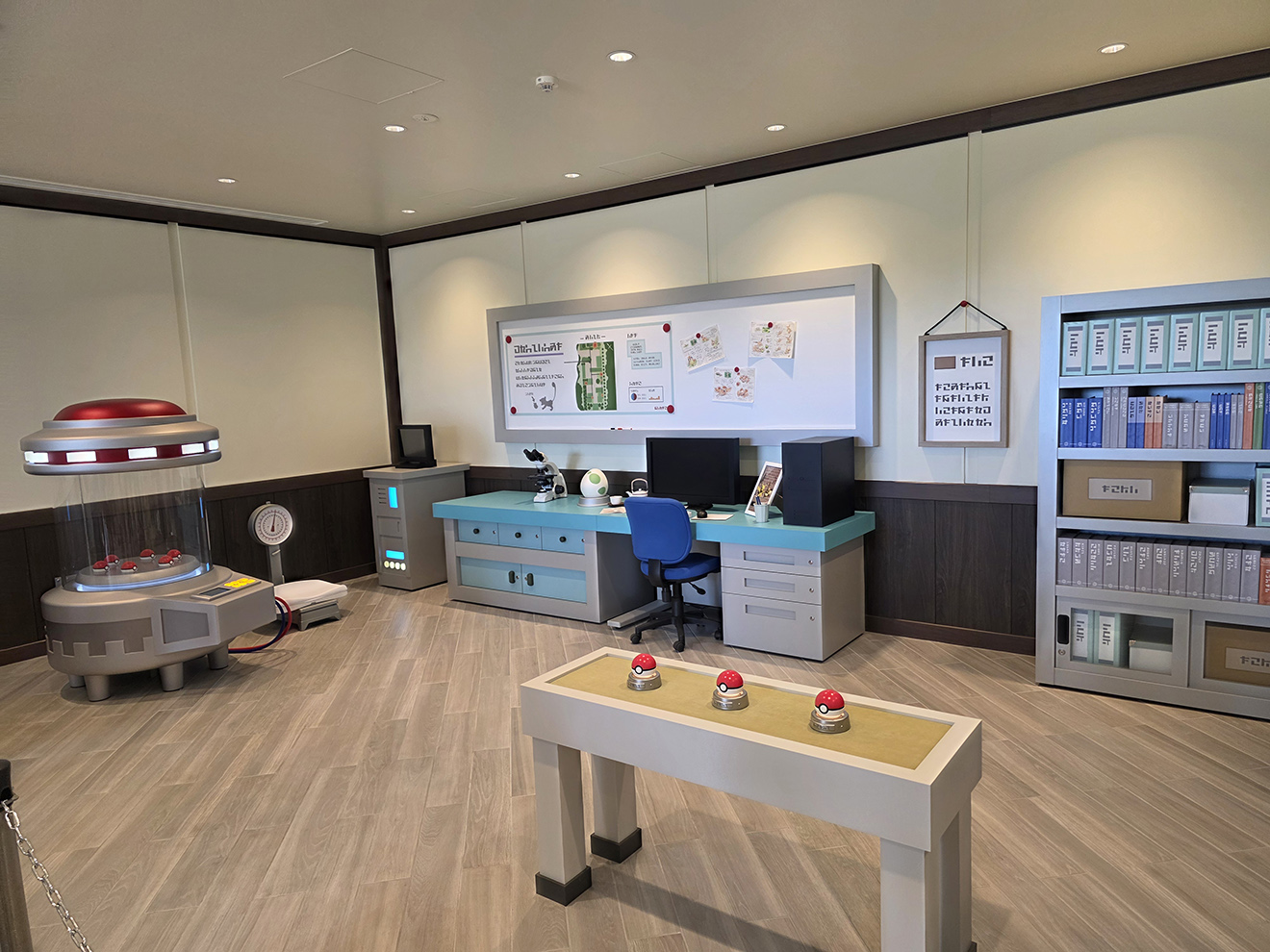
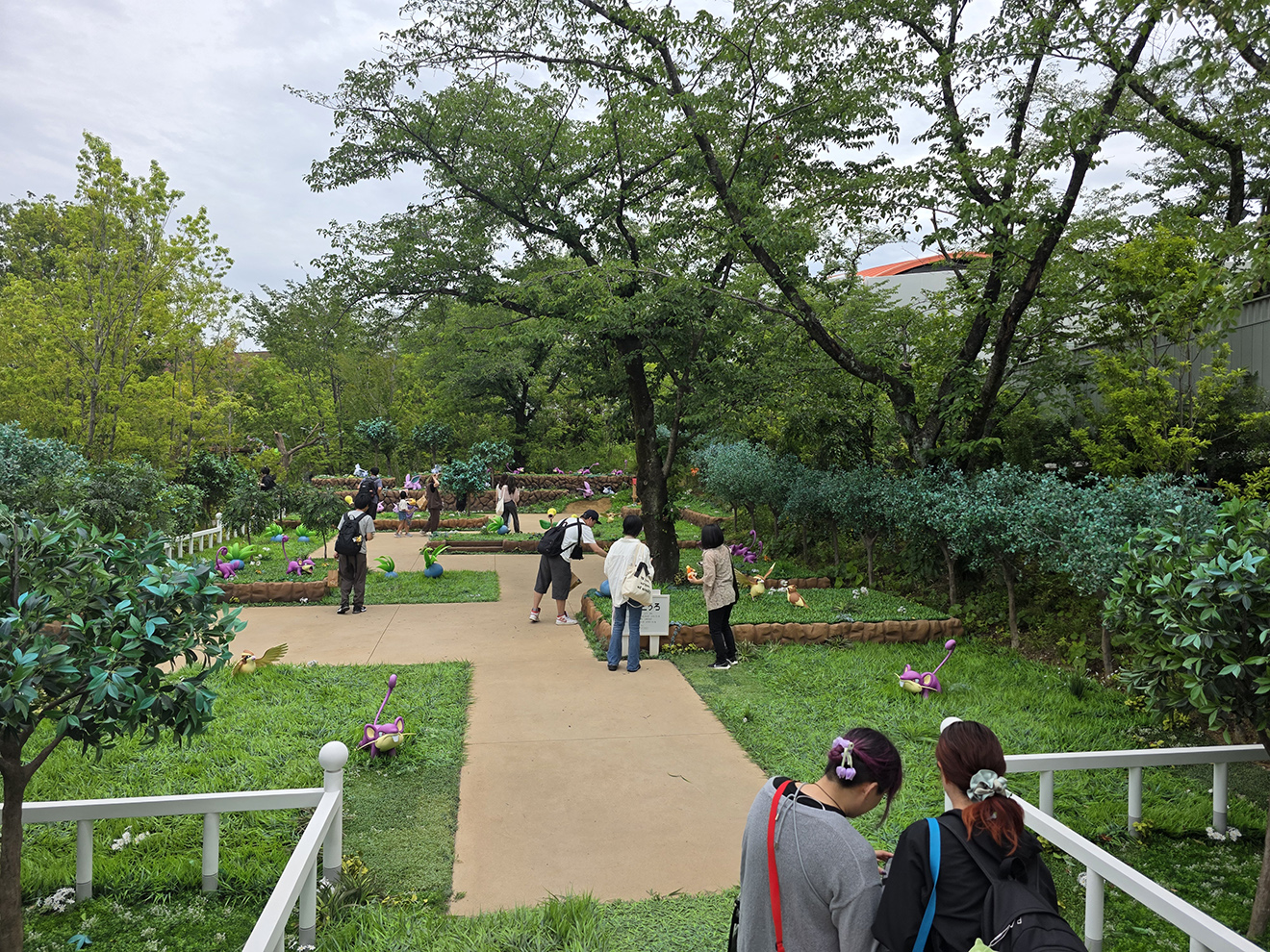
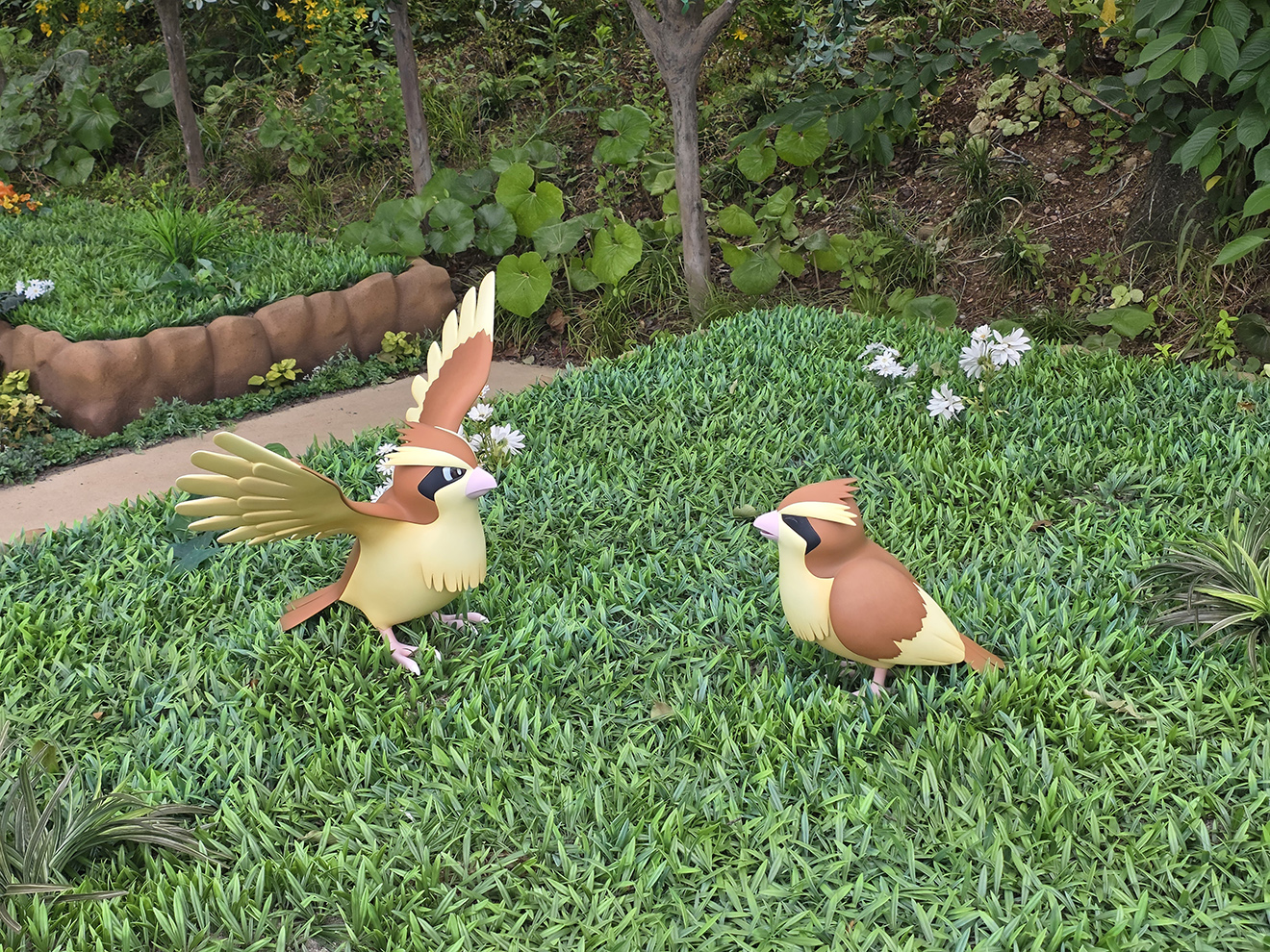
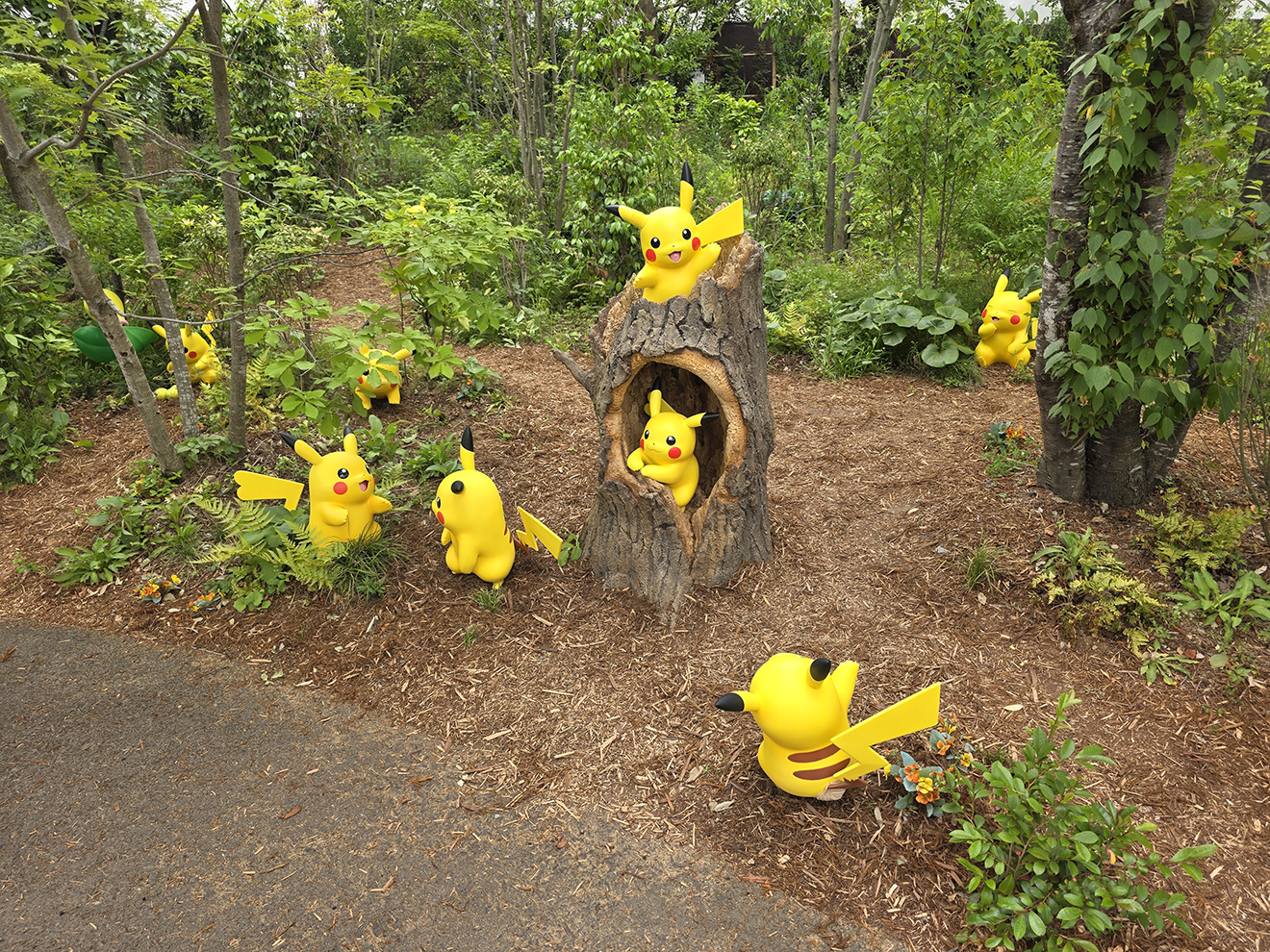
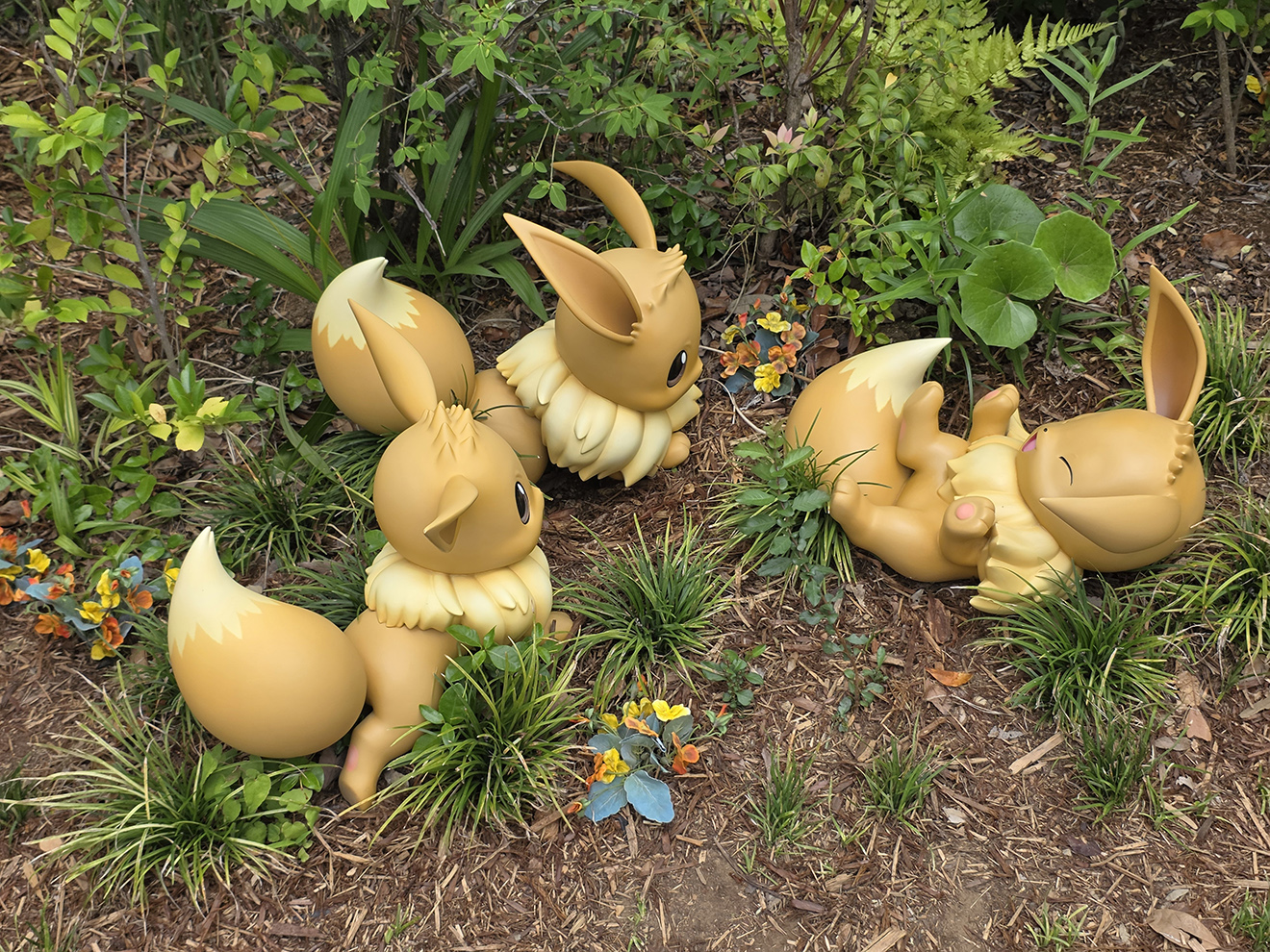
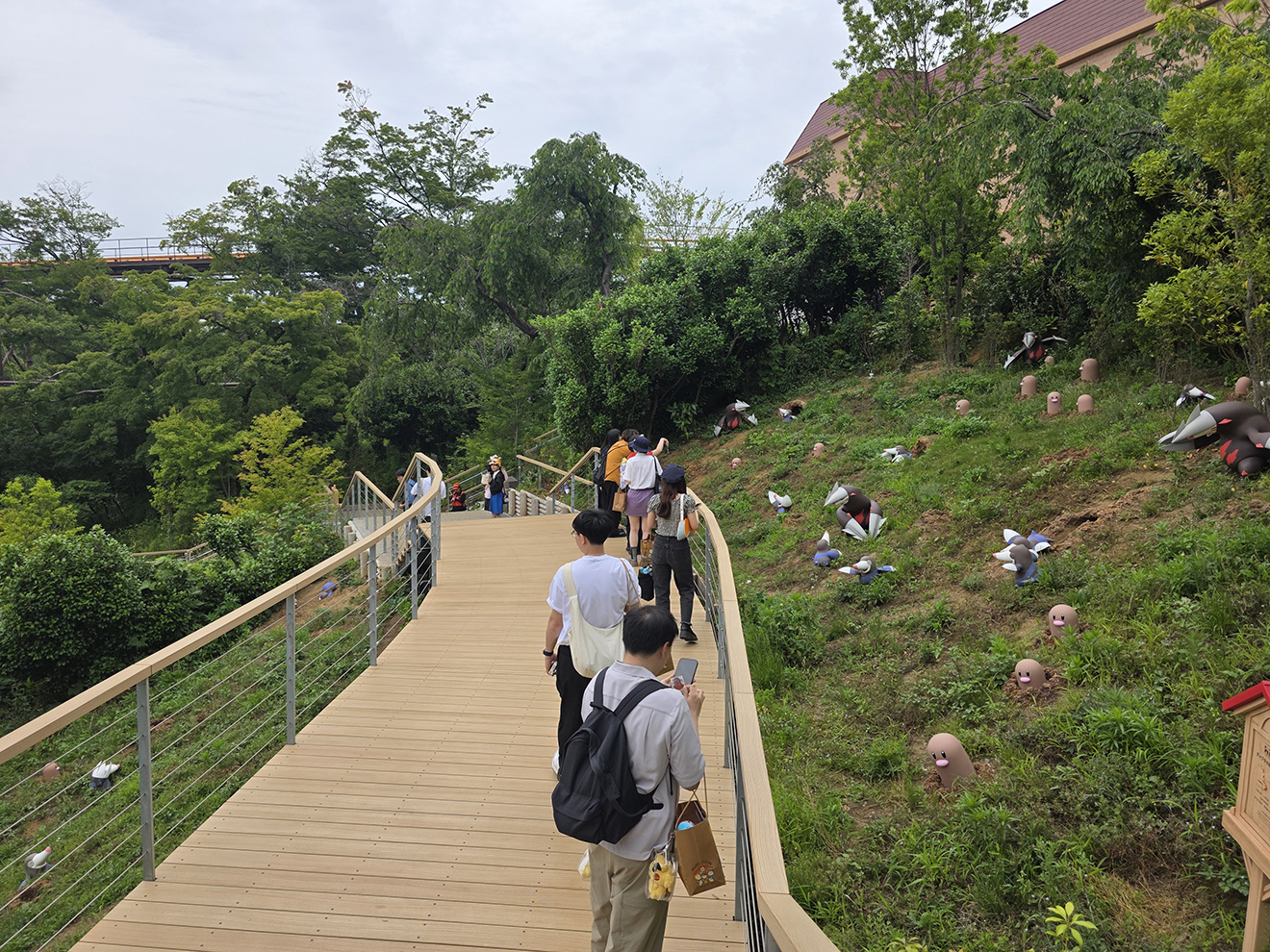
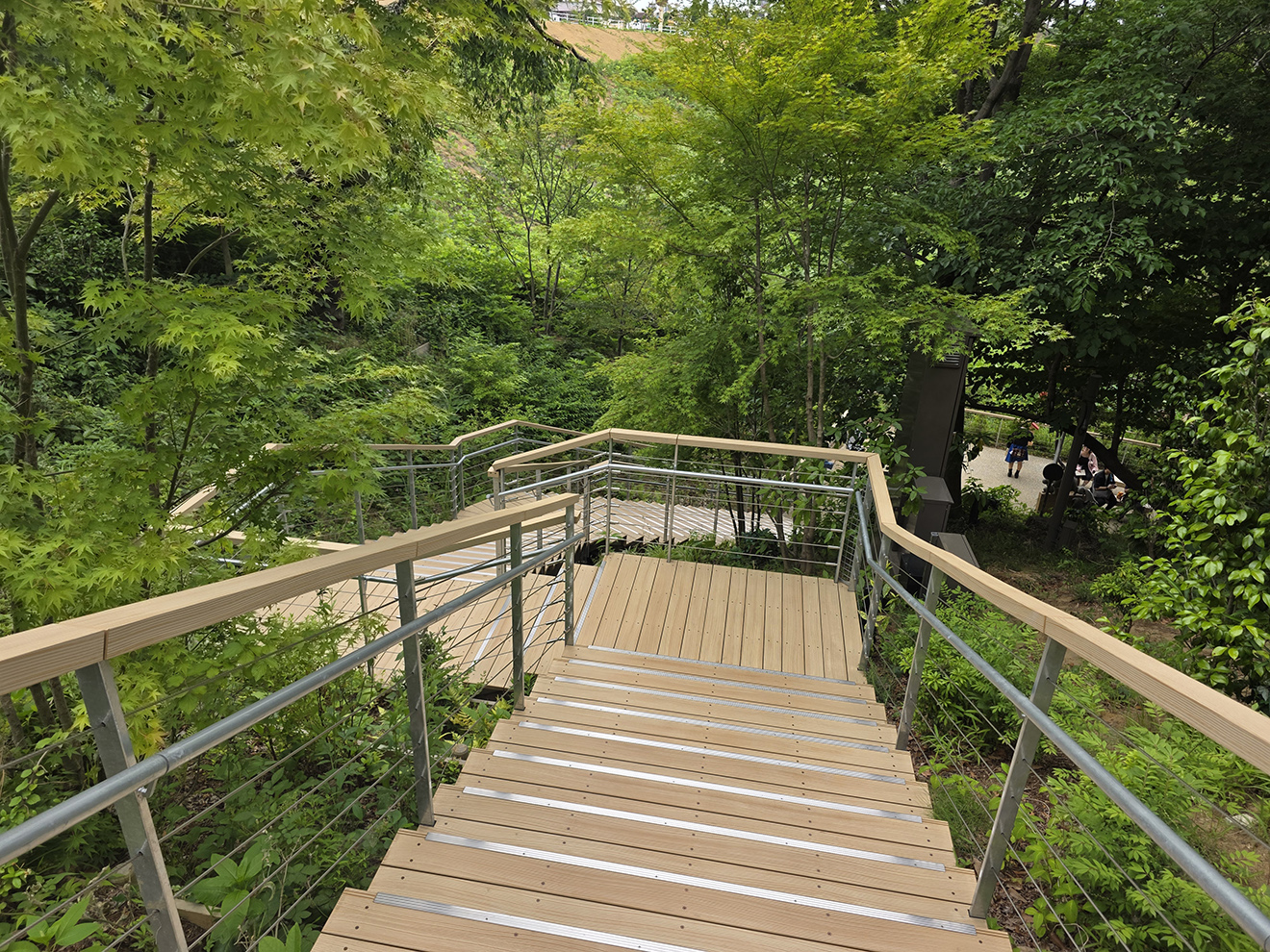
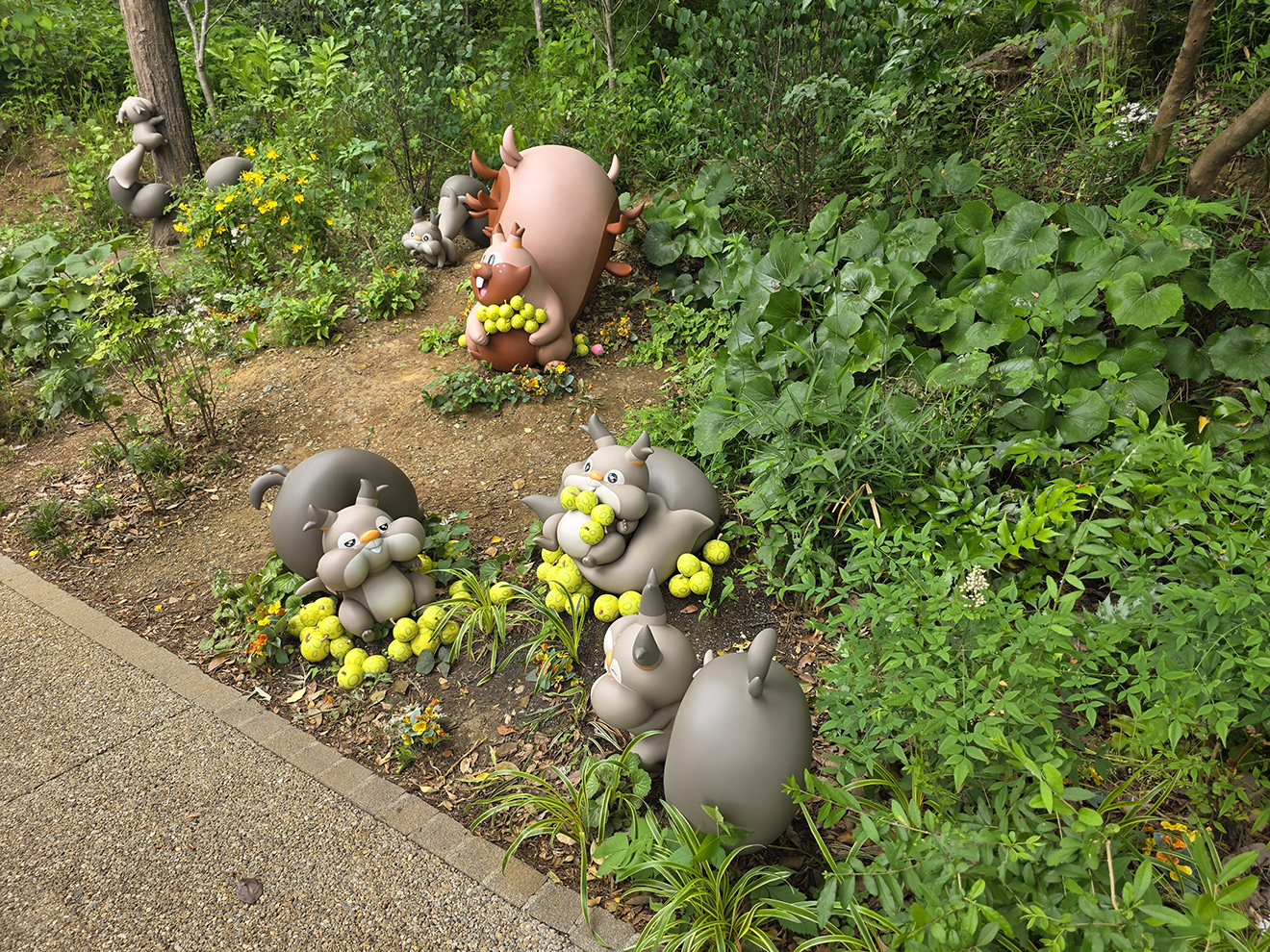
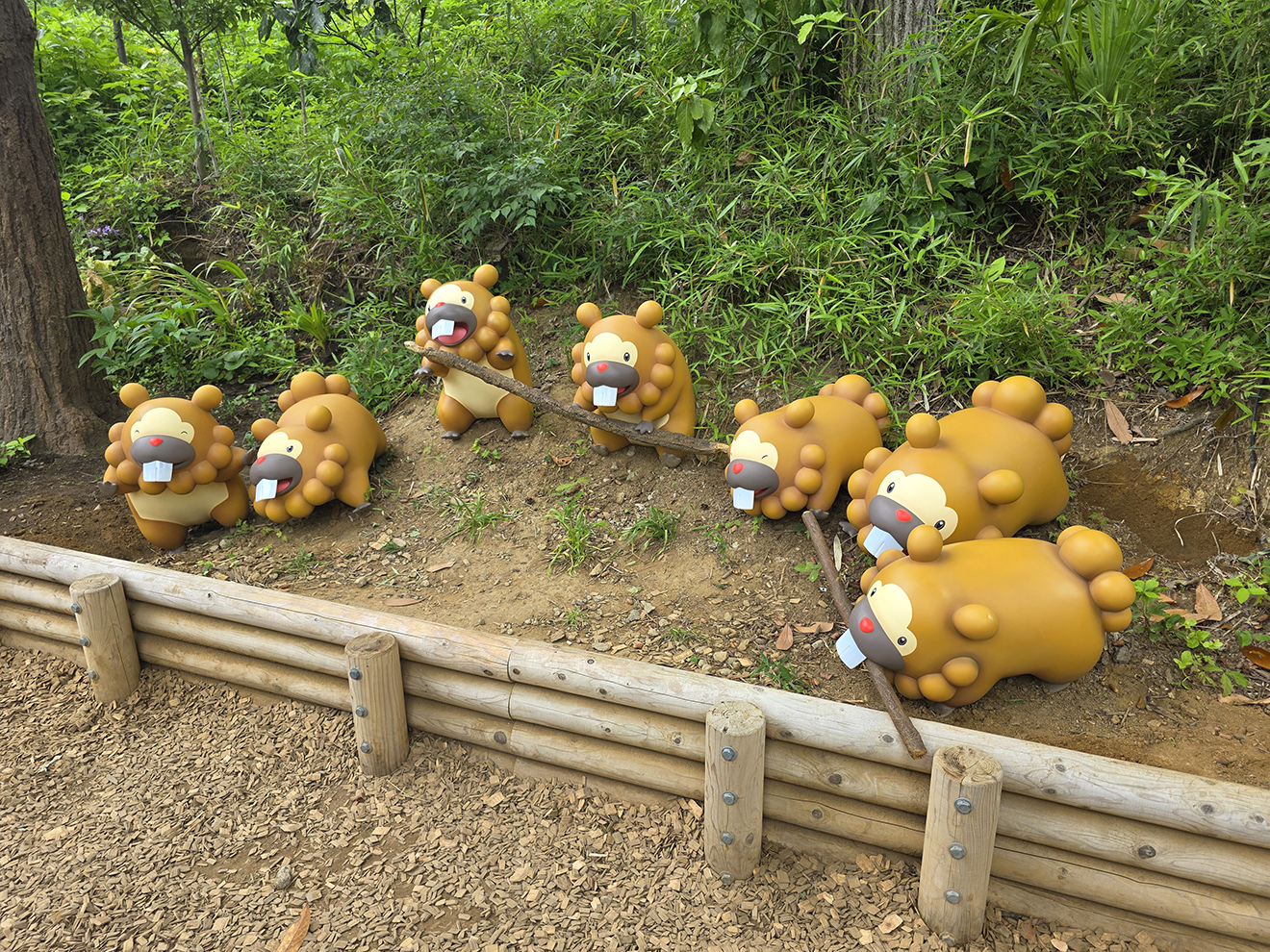
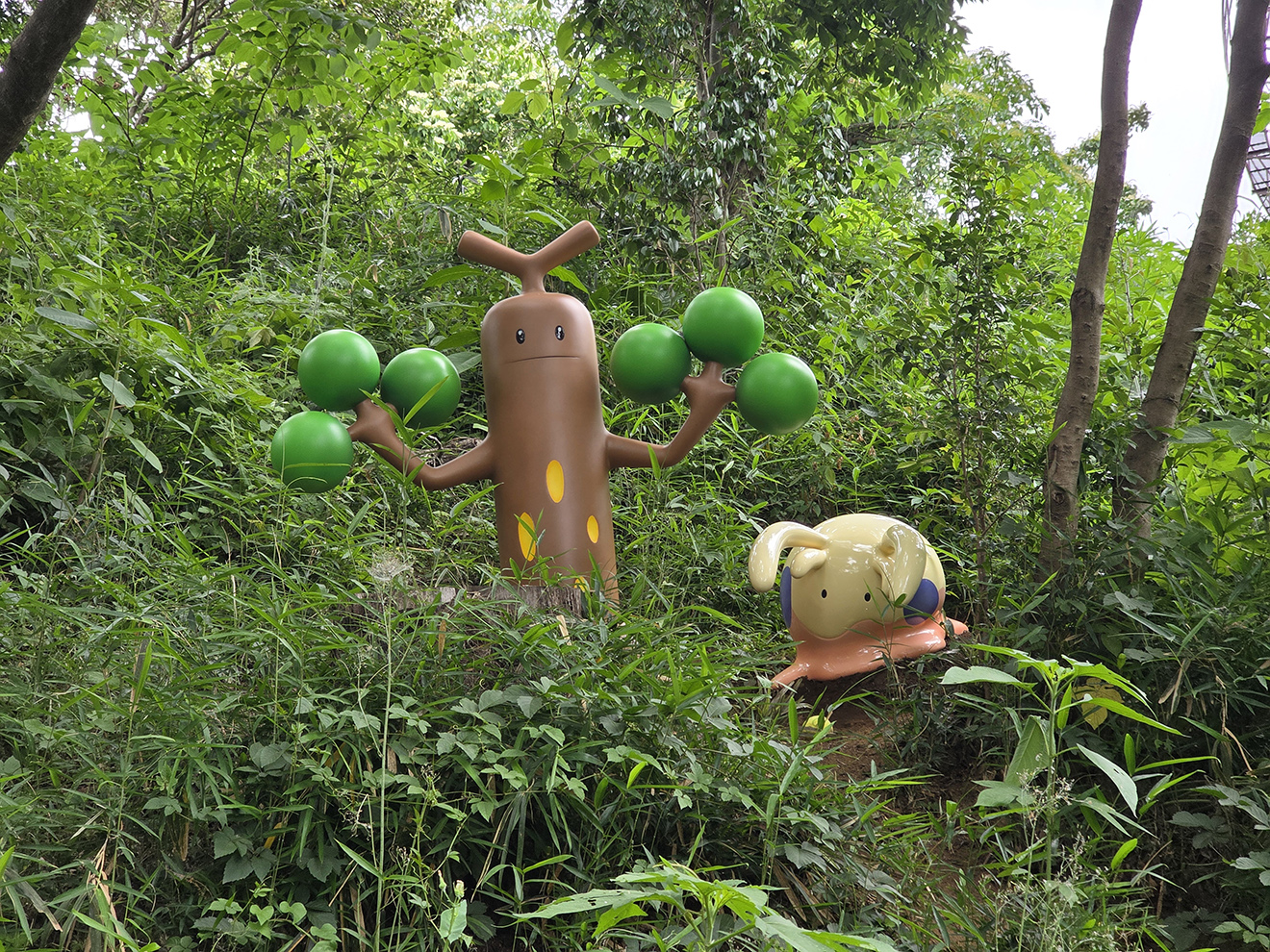
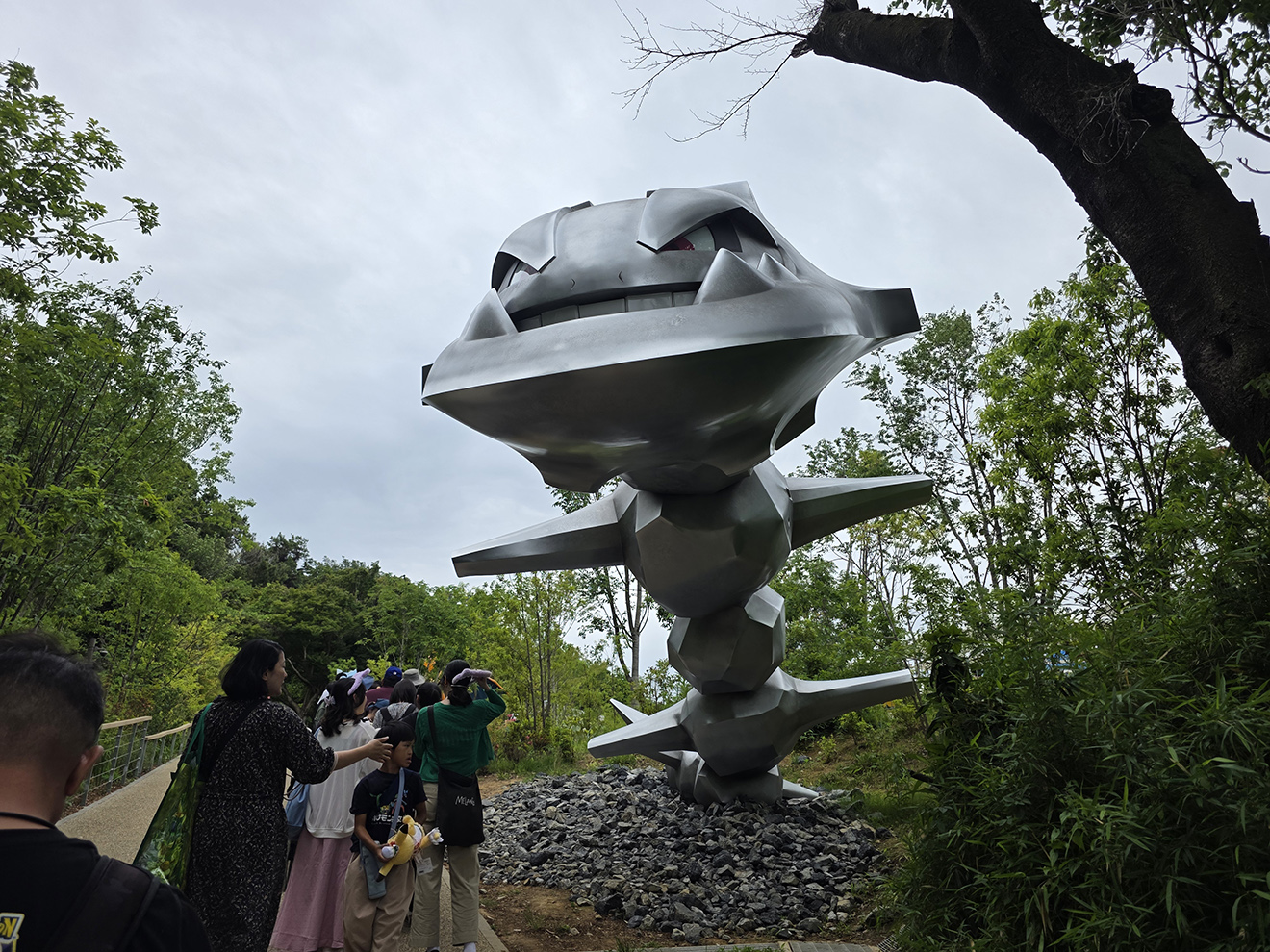
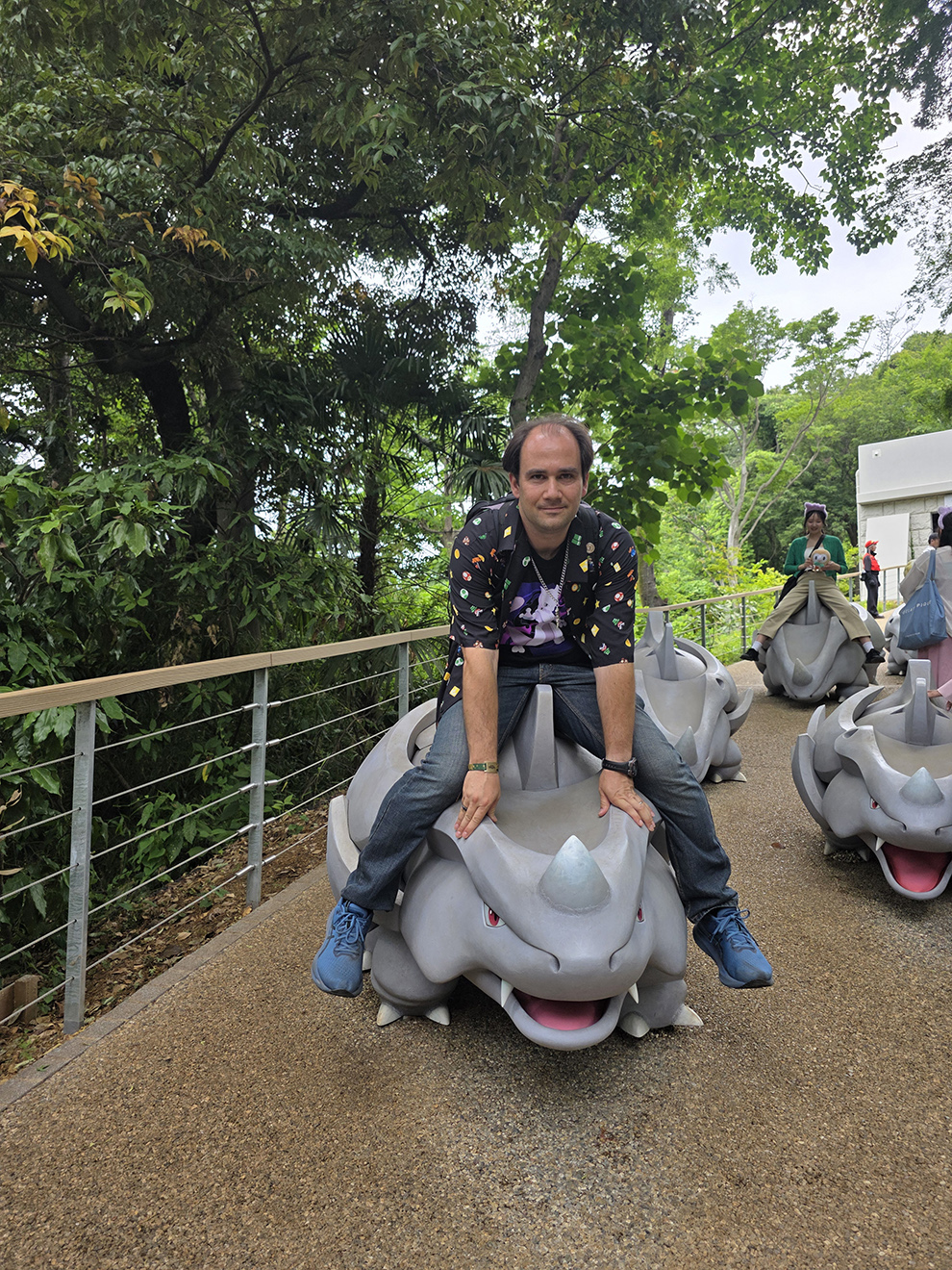
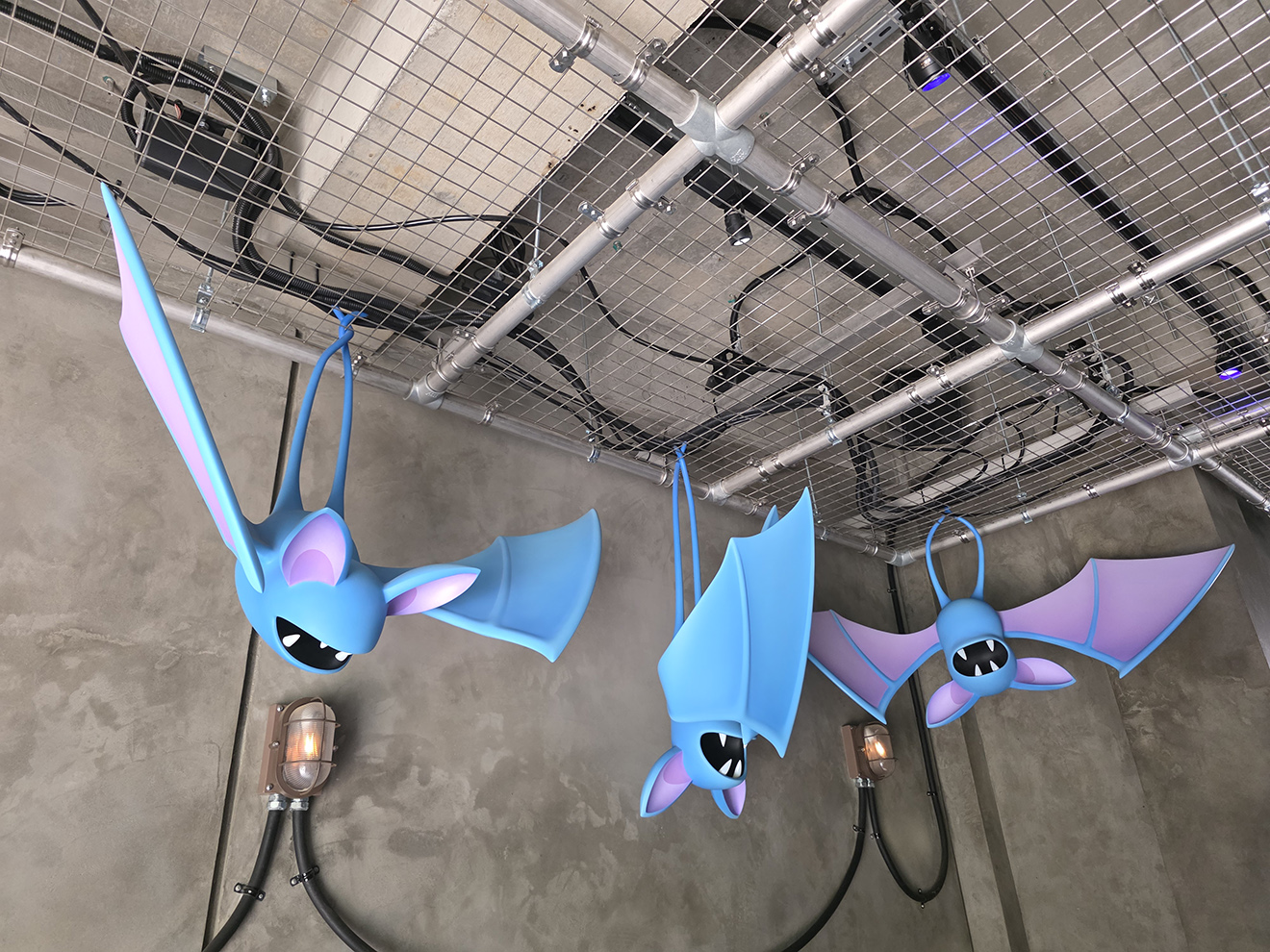
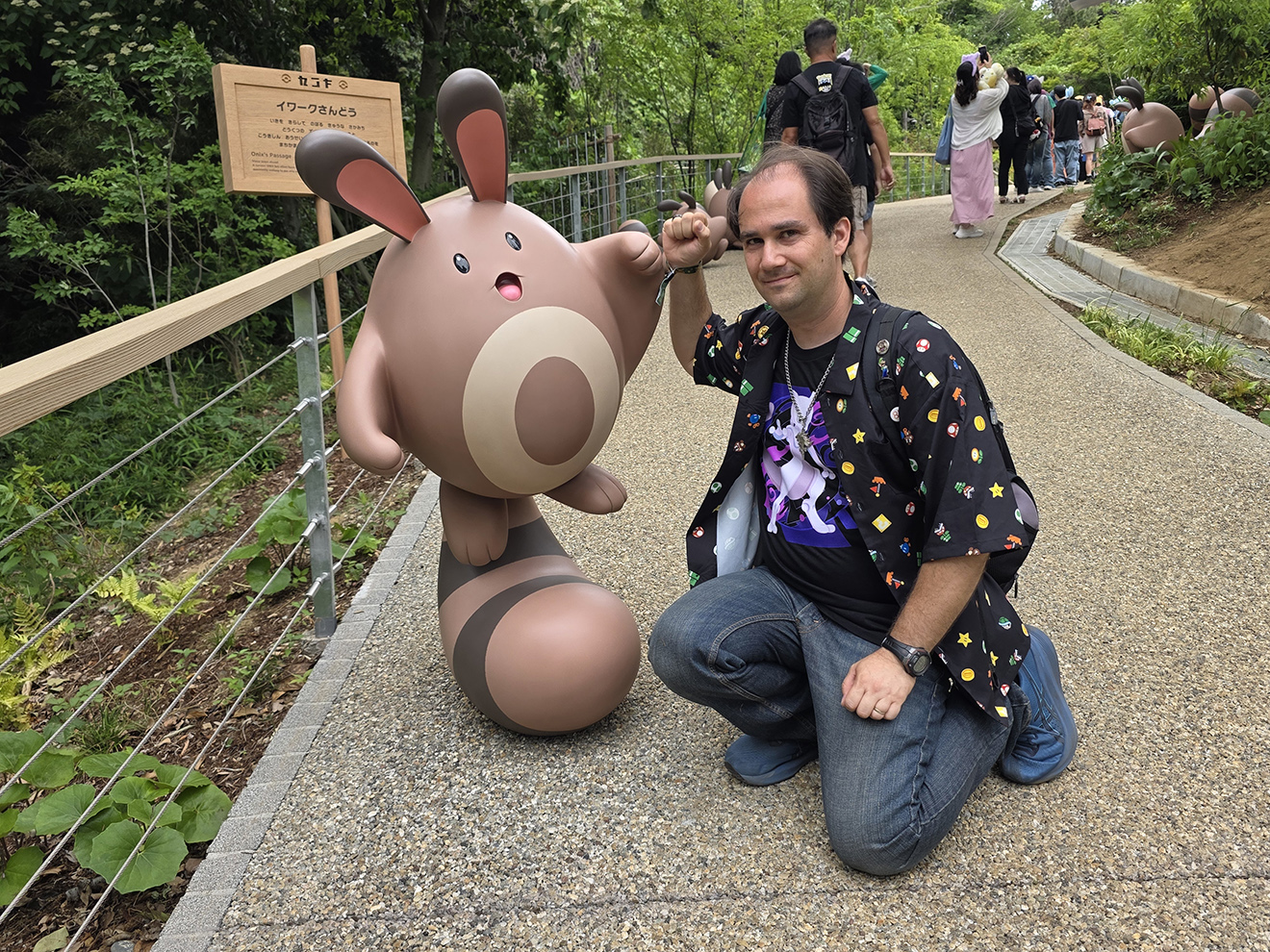
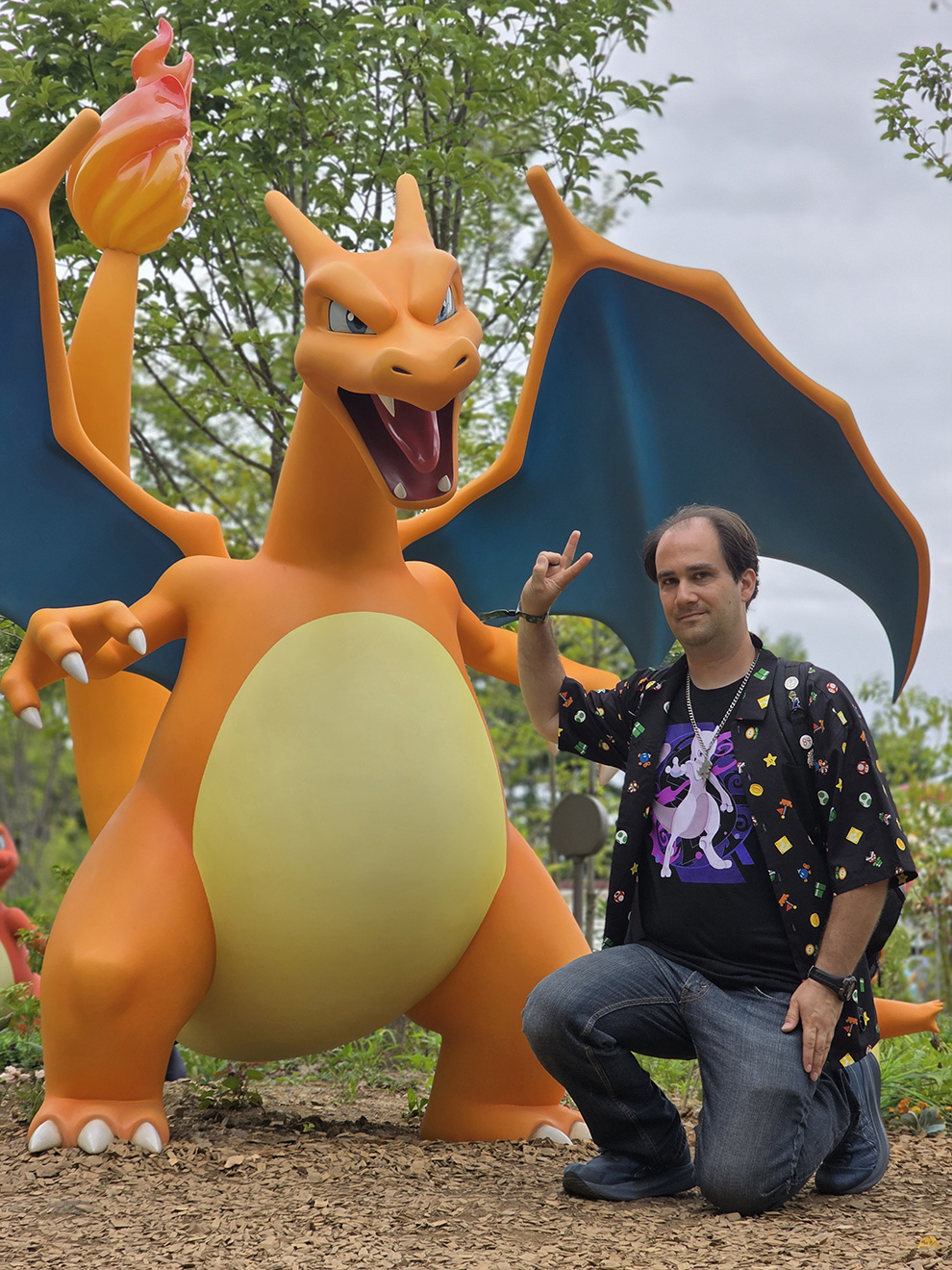
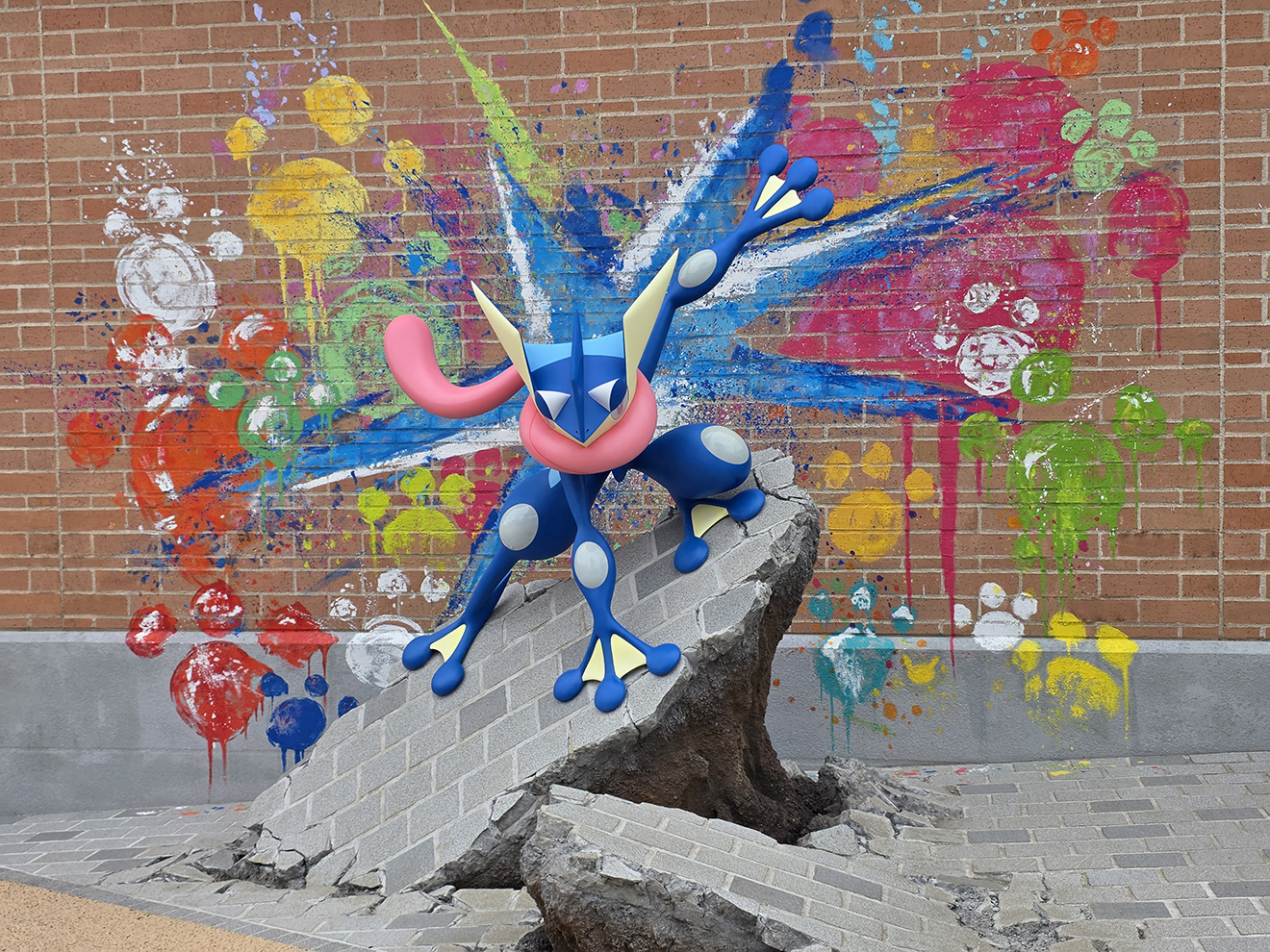
After that I headed over to the entrance to PokePark Kanto. The main entrance there goes into the Pokemon Forest (which really is the best way to start) but if you can't enter it yet, there's a smaller passage that goes directly to Sedge Town instead. Heading for the forest, I passed through a Pokemon Lab and, after some quick instructions, found myself on Route 1. The attention to detail from the games was impressive with different types of grass, little ledges, route and trainer tip signs, and the like. Not to mention the pokemon. There are pokemon everywhere in all sorts of different poses. They're not animatronic, so no motion, but you do hear a lot of pokemon cries as you walk around. And you're encouraged to examine, touch, and photograph them, even if it means going slightly off the beaten path. Route 1 transitioned into the Pikachu and Eevee Forest, which naturally focused primarily on those two pokemon, but had some others scattered about as well. Then Diglett's Boardwalk featured a lot of pokemon known for digging. If you haven't figured it out yet, the Pokemon Forest is about walking around, enjoying the wide variety of pokemon figures, and taking lots of photos. Honestly, it's kind of like playing a real life version of Pokemon Snap (on easy mode I suppose, since the pokemon don't move). And how much time and enjoyment you get out of it is going to be somewhat dependant on how much you like finding and "catching" lots of different pokemon on film. It's too bad they don't have an app to rate your photos like in the game... After the boardwalk there's some steps (which they repeatedly warn you about) leading down to Skwovets' Rest Area, followed by a section dedicated to bidoof. Keep in mind, while lots of pokemon are pretty obvious, some are a bit more hidden, behind bushes, up trees, and the like so keep your eyes open. I even found a shiny. All the pokemon are accurately sized, and there are even some you can ride. The forest trail led through a few more areas, including a tunnel with zubat, and featured lots of great photo opportunities, running for around 500 meters. You could probably speed through it in 15 minutes if you wanted to but it can easily occupy an hour or more if you're having fun spotting and photographing all the pokemon.
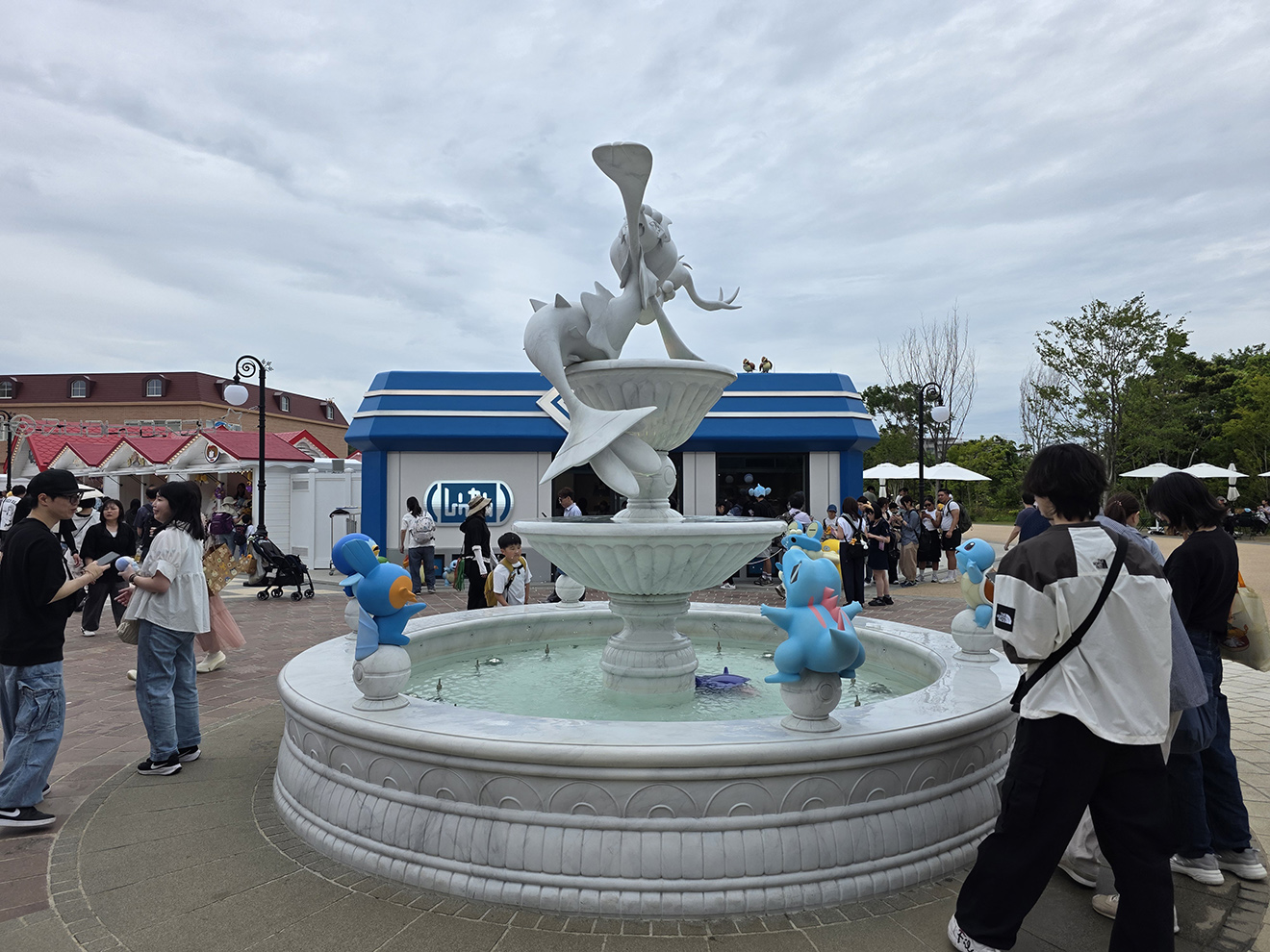
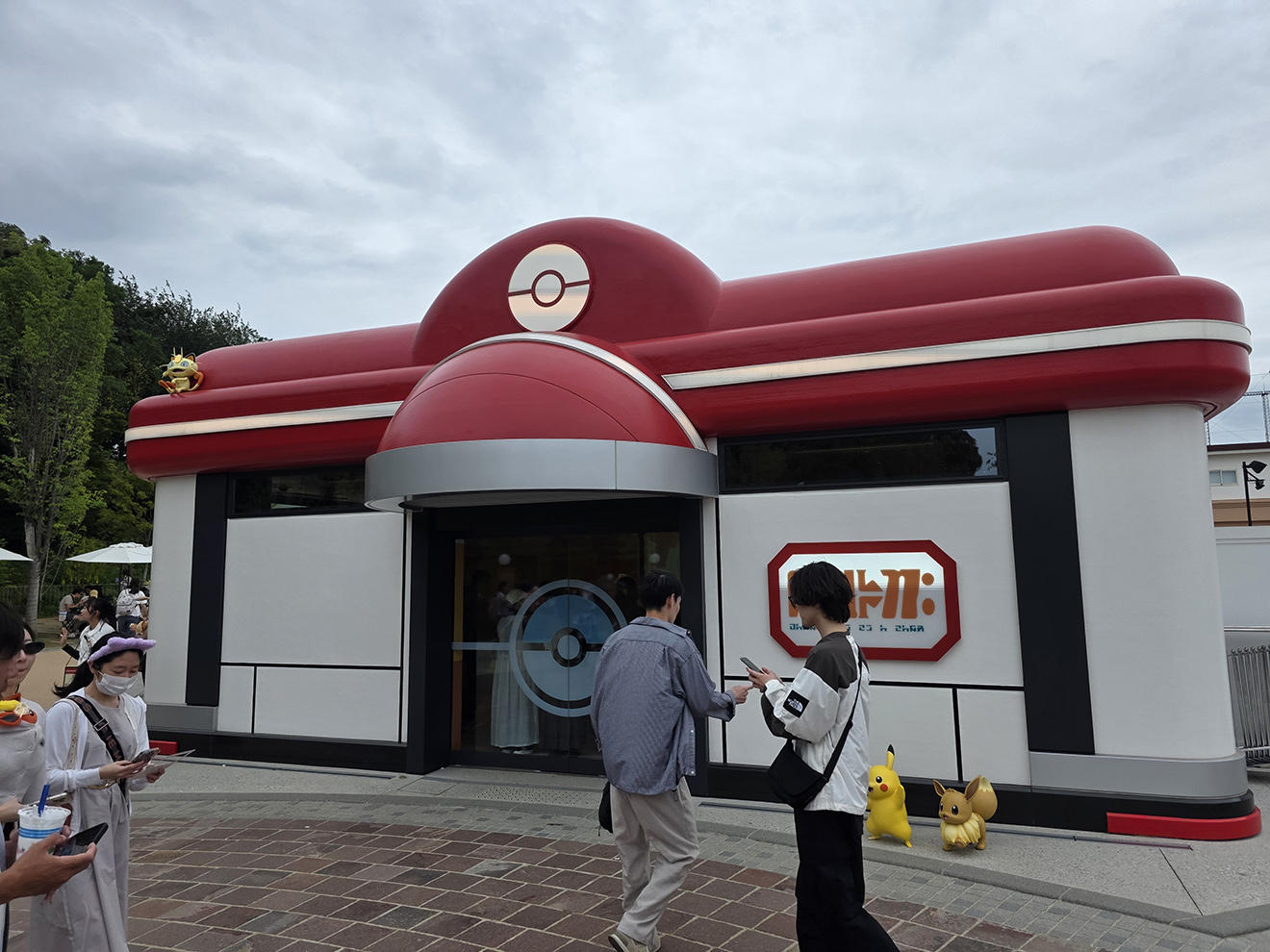
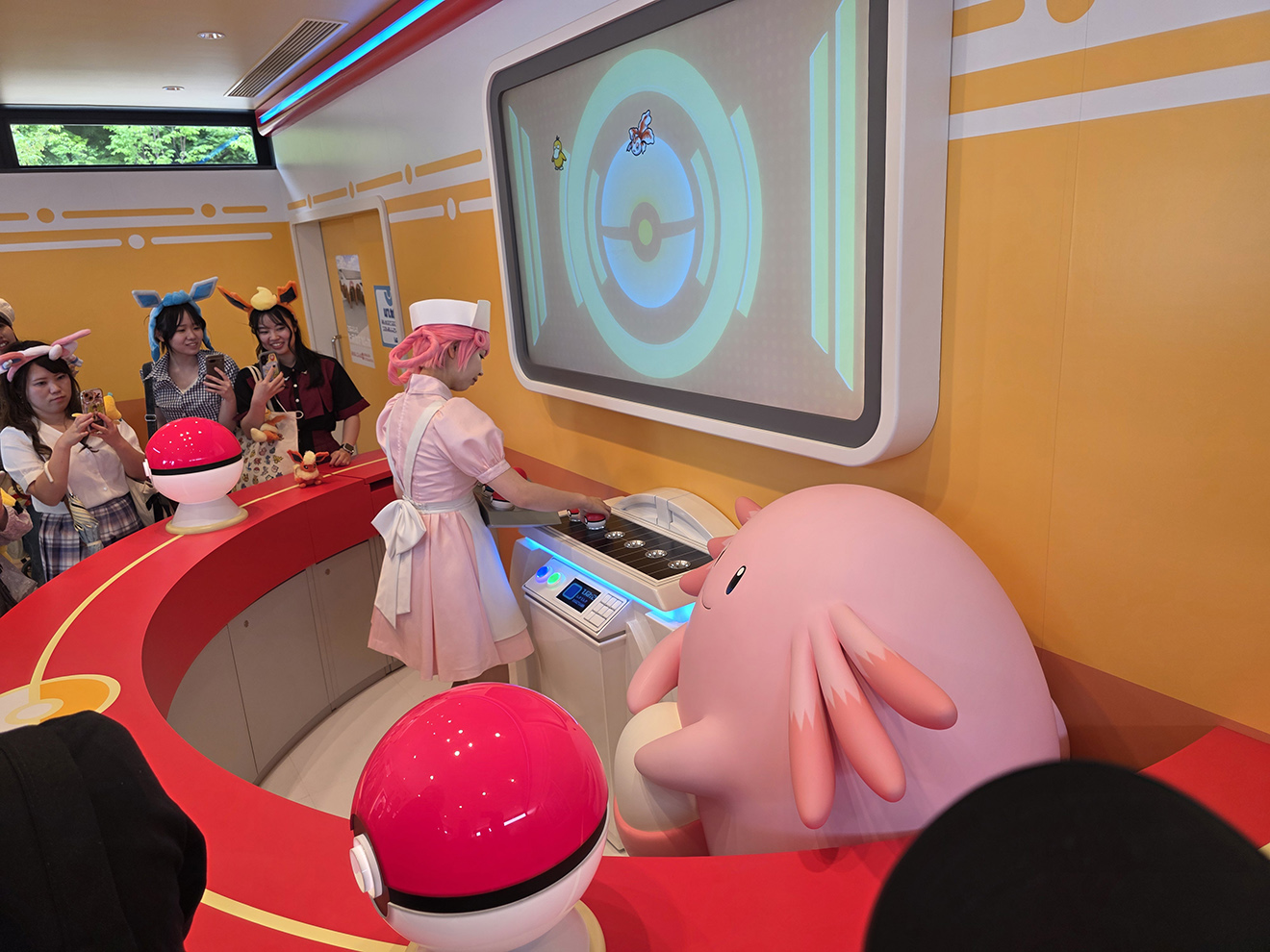
The Pokemon Forest trail ends at the entrance to Sedge Town. Like any good pokemon town, it has its own Pokemon Center, PokeMart, and even a gym. The Pokemon Center has a little show where you can watch Nurse Joy healing some pokemon and even get your own pokemon plushy healed. Oh yes, I should mention the pokemon plushies. A very large percentage of visitors to PokePark were carrying around a favorite pokemon plush or two. To the point that people who didn't have one where probably in the minority. Posing them for photos alongside different pokemon figures was a very popular pass time. If you didn't bring a plush, the various stalls in the town and the big gift shop by the entrance (for which you need to reserve an entry time via the app) have a decent selection, including some exclusives. Though they lack the full selection that you find in the regular Pokemon Center stores. The lack of a full Pokemon Cafe also seems like a missed opportunity, especially since, while there's a few snack stands with pokemon themed food, there aren't any full on restaurants. Pokemon plushies aside, there's lots of other souvenirs, the most popular by far being blind box (or blind pokeball in this case) collectable pins for all 151 first gen pokemon. Unfortunately, they were only sold at one stall, which featured a massive line all day and, despite purchase limits, sold out a couple hours before the park closed, so I wasn't able to get any. My Ace Trainer pass did, however, get me a free shoulder bag and sticker sheet.
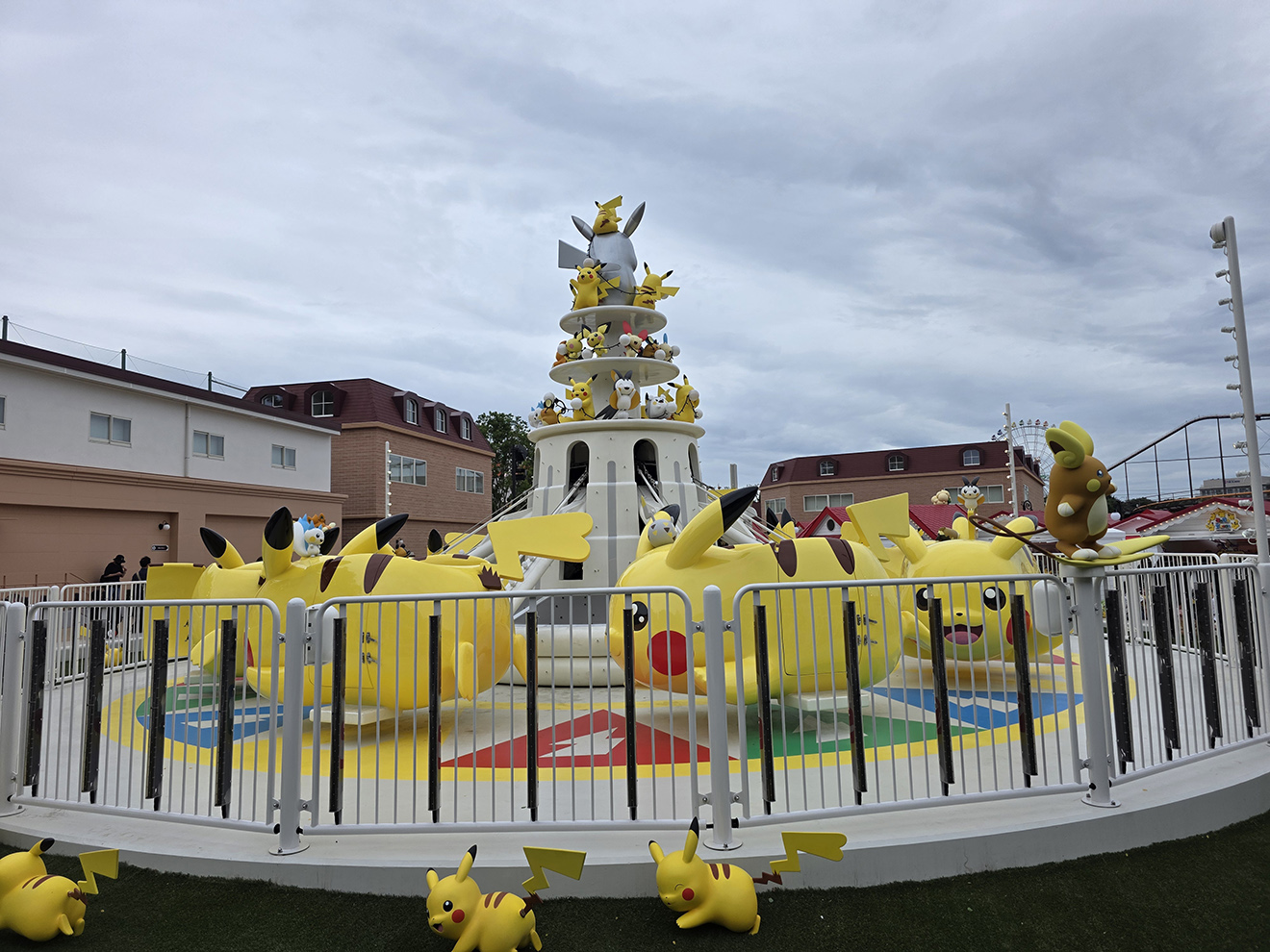
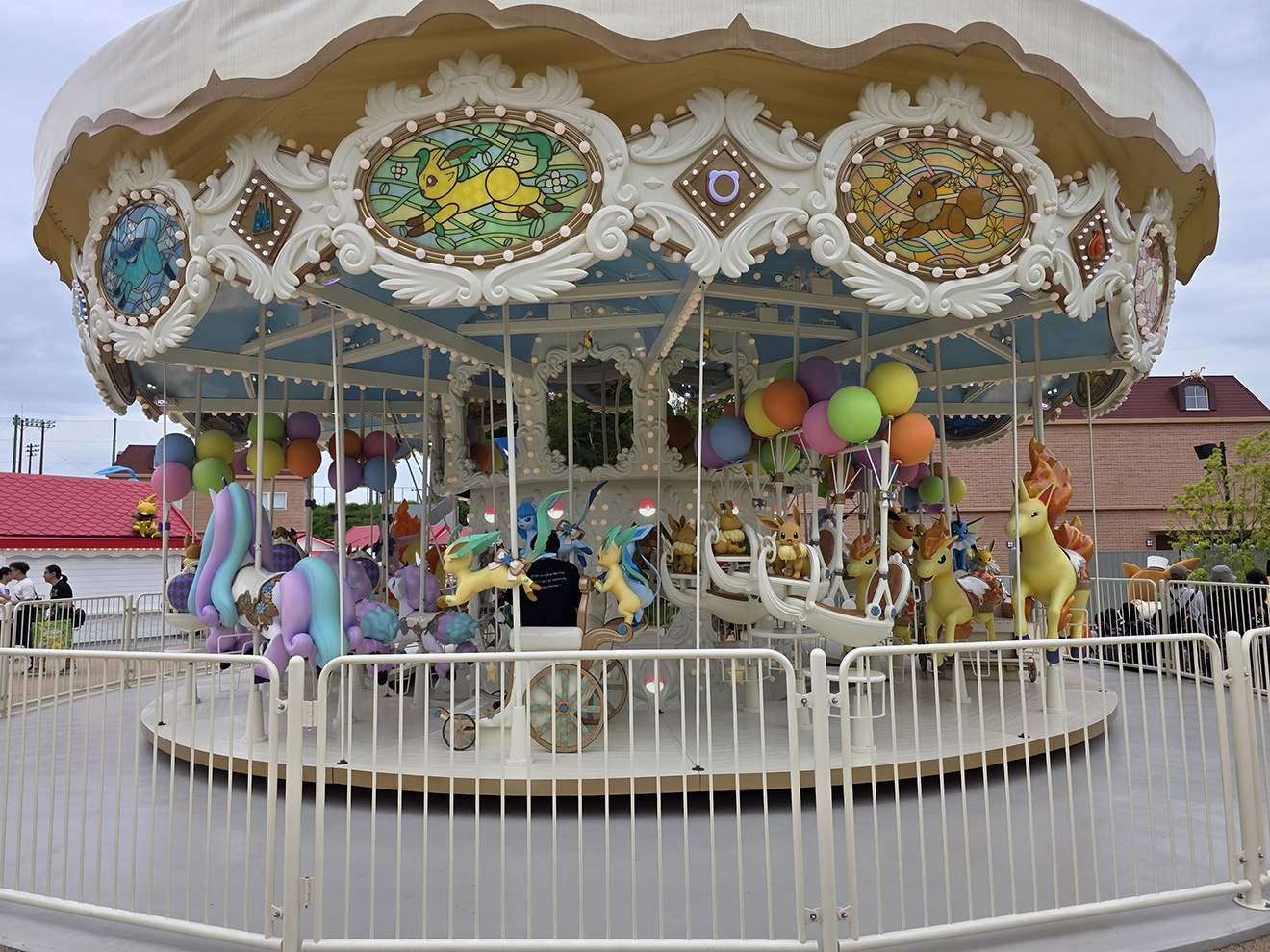
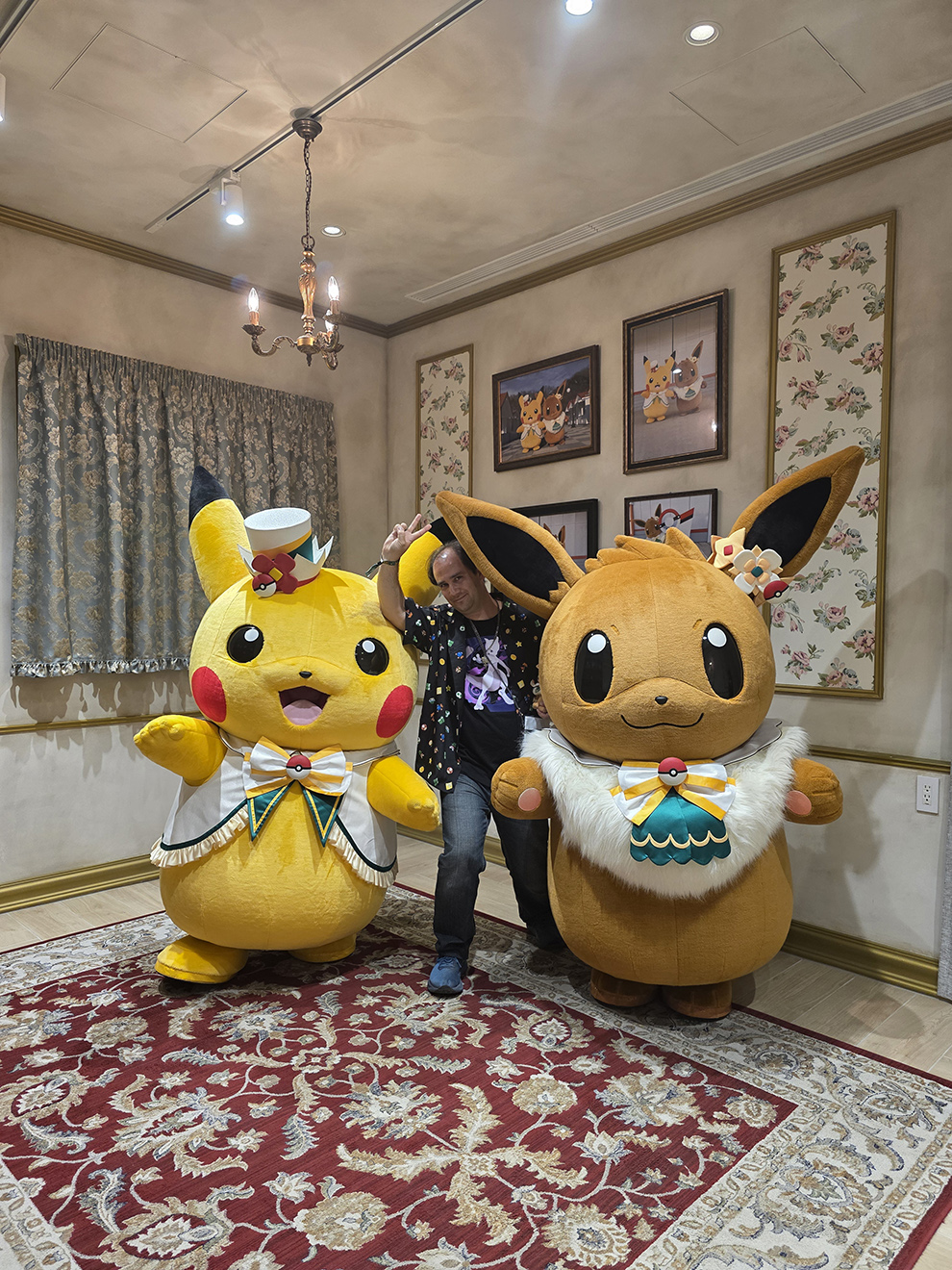
Shopping aside, Sedge Town feature two rides, based on pikachu and eevee respectively. They're very cute, though also very simple, and you have to purchase tickets if you want to ride. Fortunately, an Ace Trainer perk gives you one free ride each with express line access. You'll also periodically see various pokemon (costumed actors) walk though the town to wave and take photos and there's a small parade as well. Like the forest, quite a lot of the fun in Sedge Town revolves around finding and photographing the many different pokemon scattered about. You can also visit the playroom (which also requires a timed reservation via the app and tends to get booked up very quickly) and get you photo taken with a rotating selection of pokemon. I was a little slow and missed getting a slot there, but my Ace Trainer pass included a photo session with Pikachu and Eevee so I didn't especially mind. There's also the Pika Pika Sparks show which takes place throughout the day in the gym. This is another thing you have to use the app to reserve an entry slot for. Though the Ace Trainer pass gets you one confirmed admission (with VIP seating) at a specific time (chosen when you buy your ticket). It's a silly but fun dance show featuring remixes of lots of different Pokemon music. As a note, they didn't allow photos or videos of the main show, just a little photo session bit at the end.
I enjoyed the 5 hours or so I spent in PokePark Kanto, but it's clearly geared for a mix of younger kids and die hard pokemon fans (especially those who enjoy photograph), so it won't appeal to everyone. Keep in mind, I'm only showing a handful of the photos I took and I purposely left out a lot of the ones I felt were especially interesting or surprising, as it's more fun to discover them yourself.
I didn't stay all the way until closing, but I had seen and done pretty much everything and I had to pack up in preparation for my departure the next day. Plus, there was a decent chance of rain later. So I headed back to Tokyo and grabbed a quick dinner to wrap up my last full day in Japan.
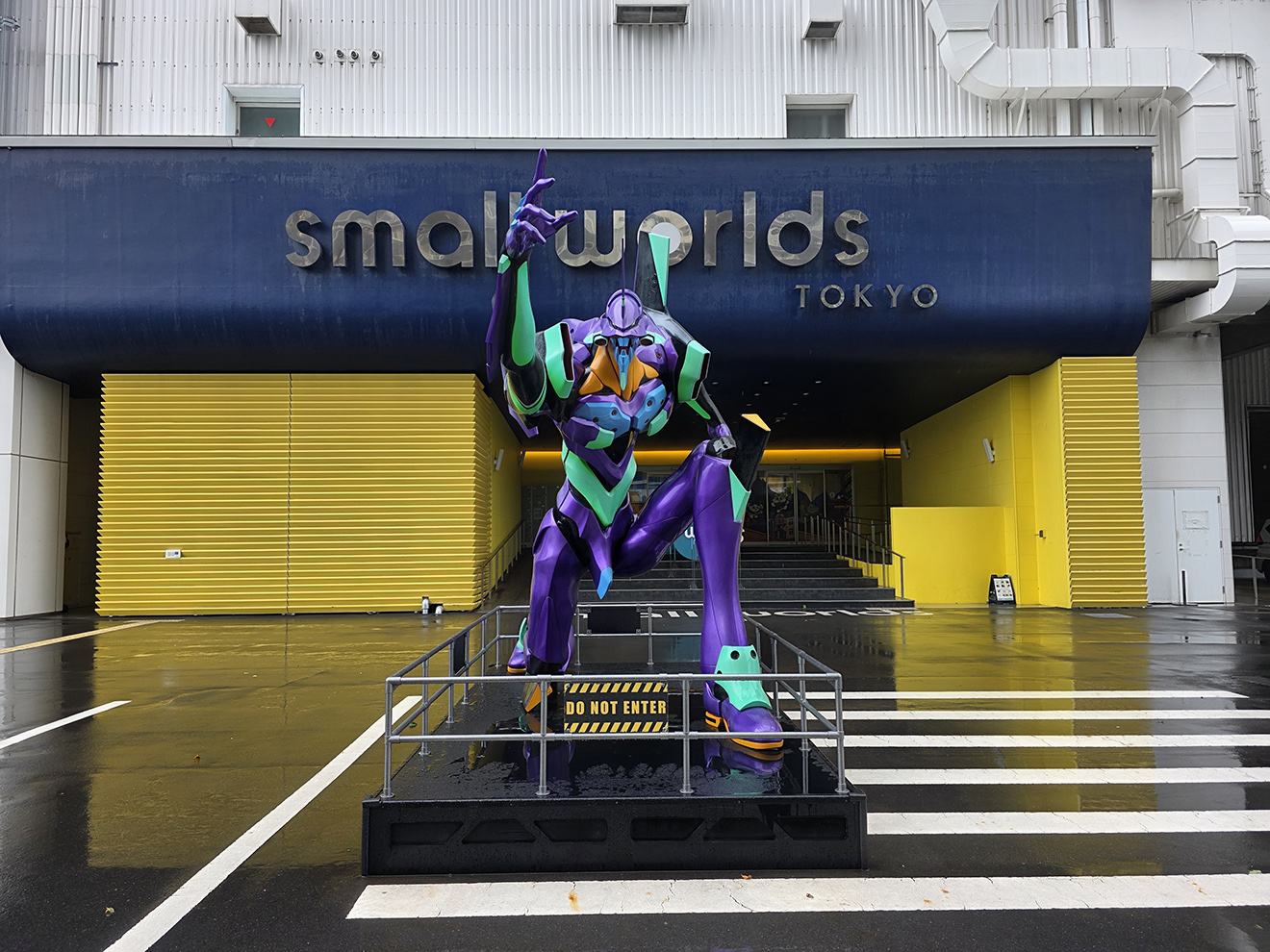
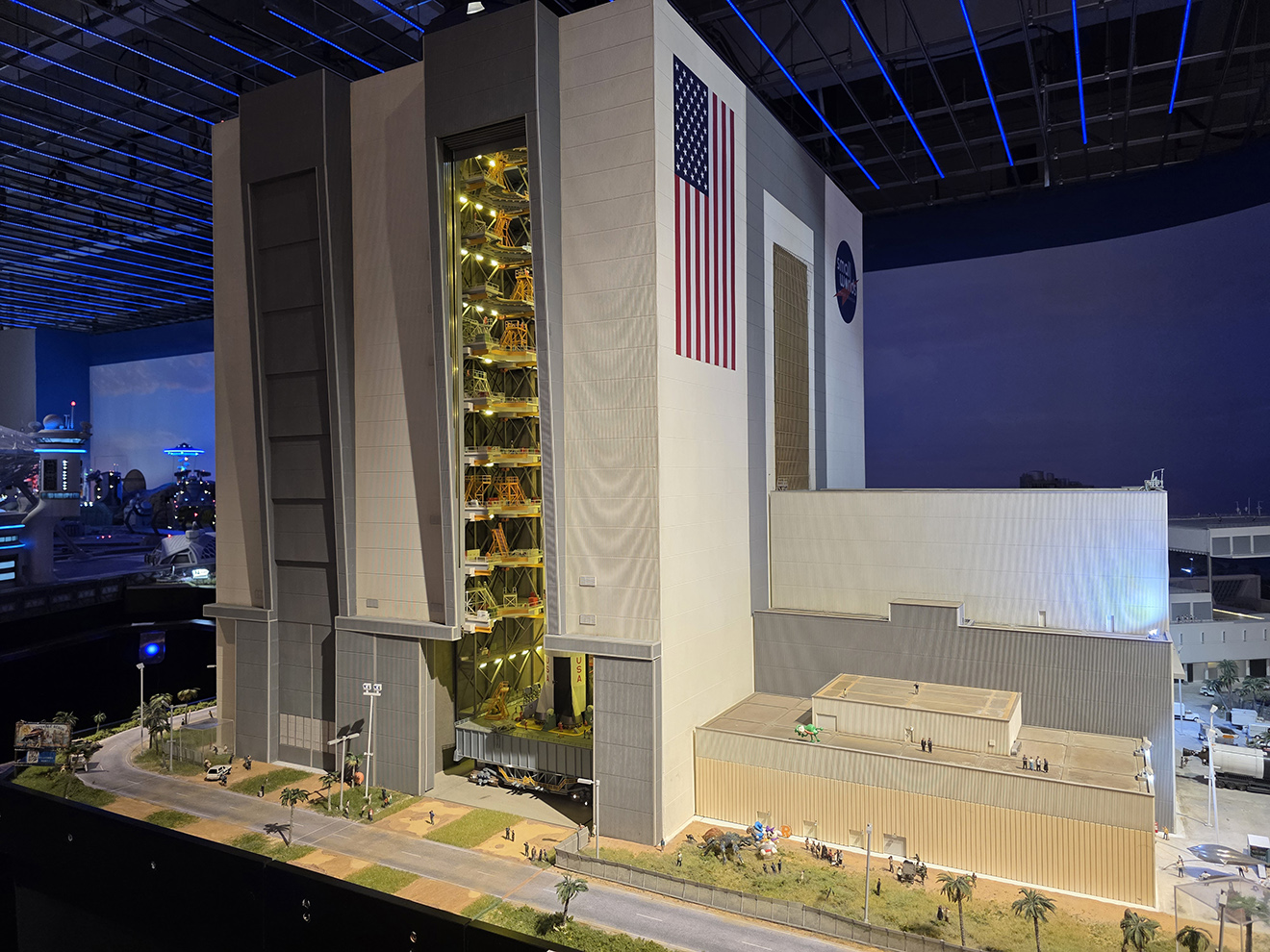
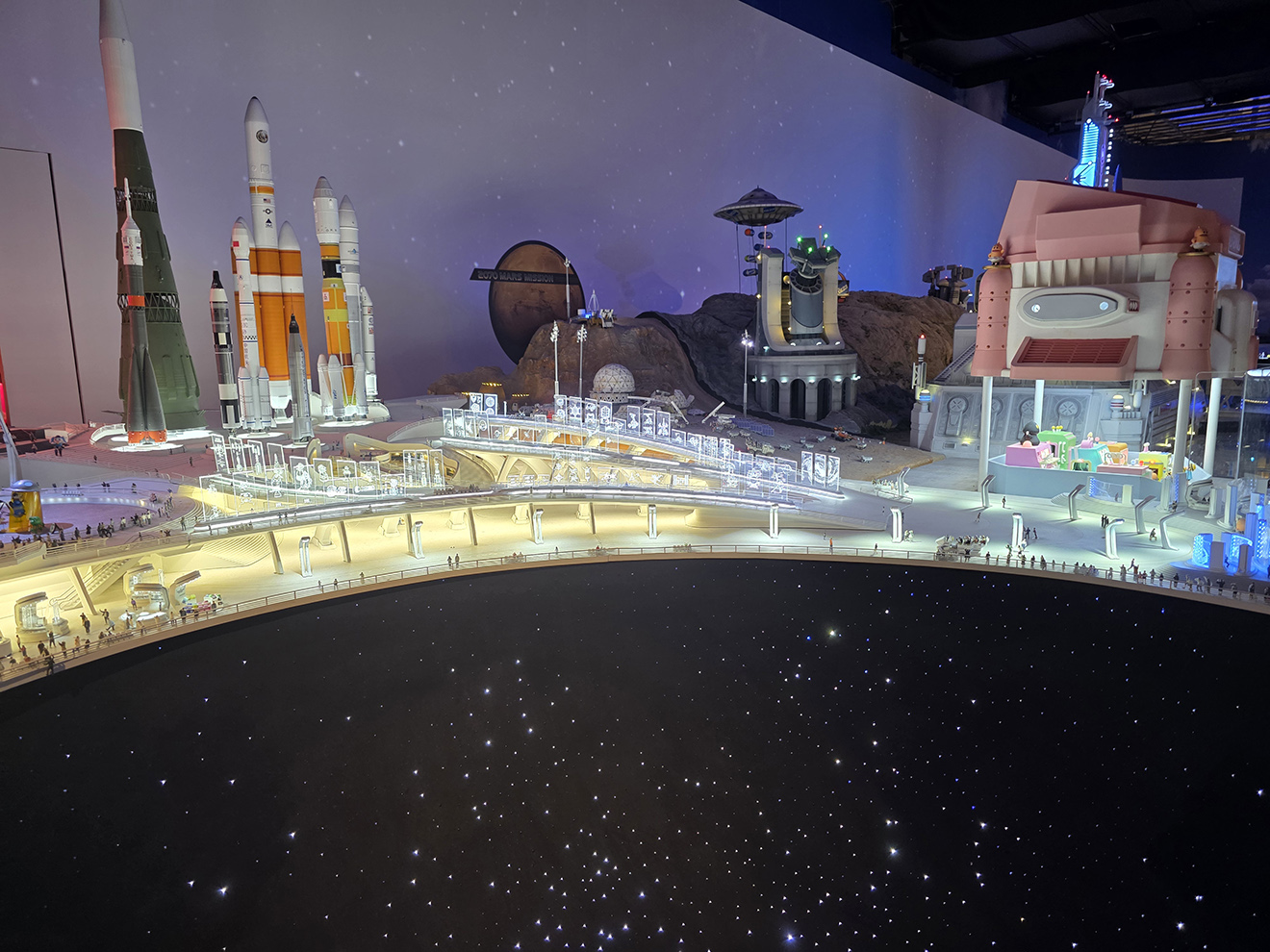
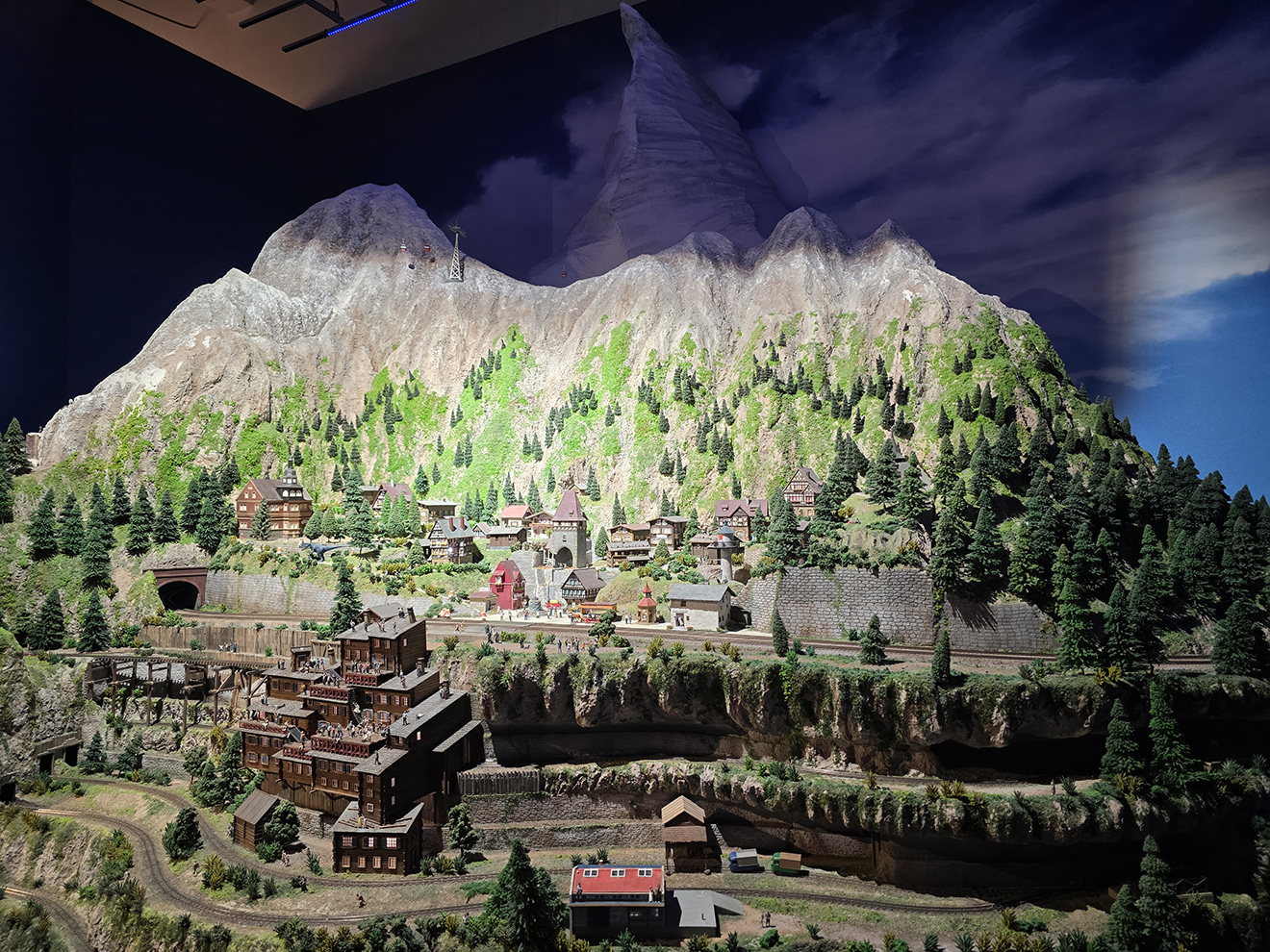
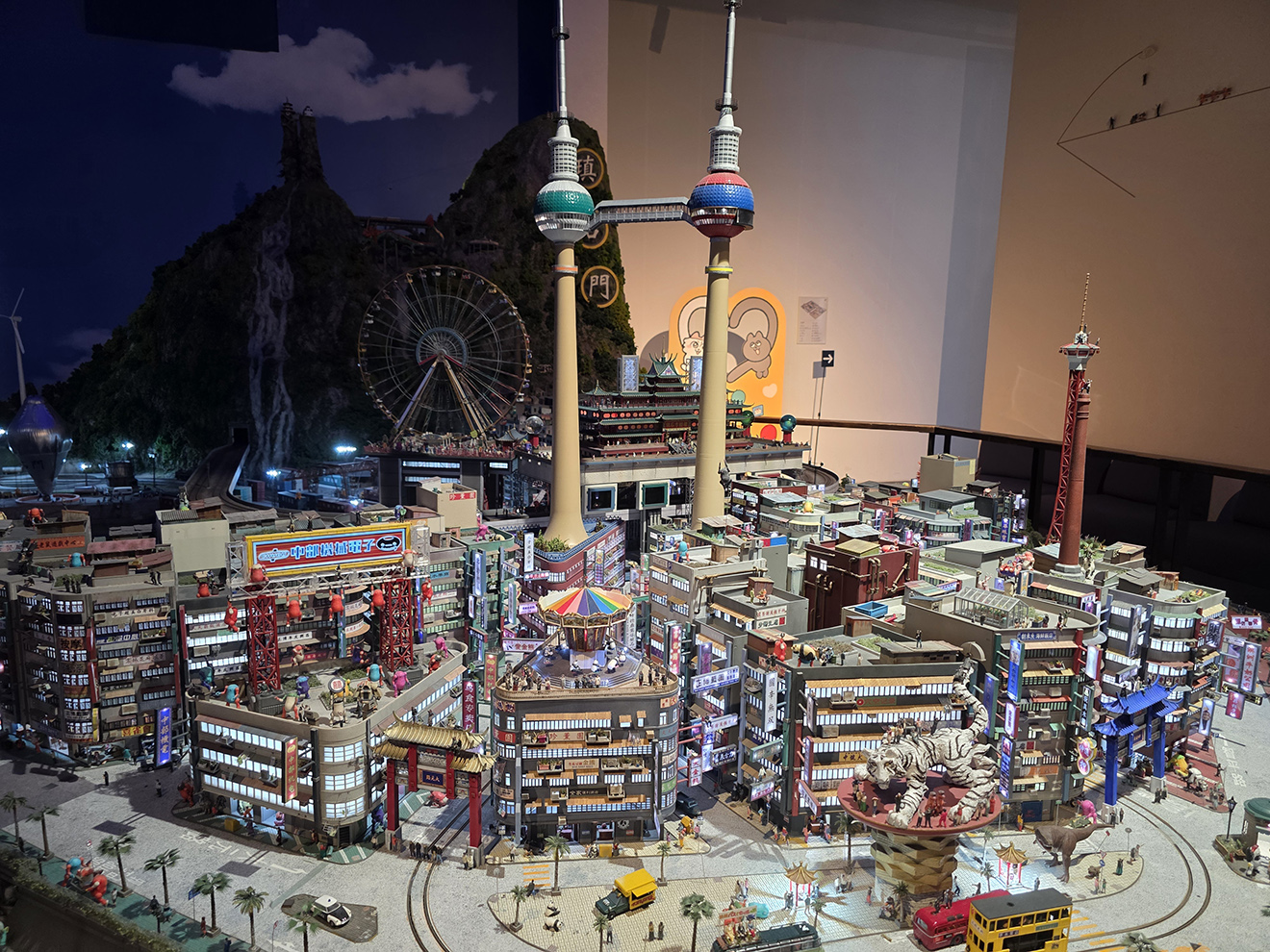
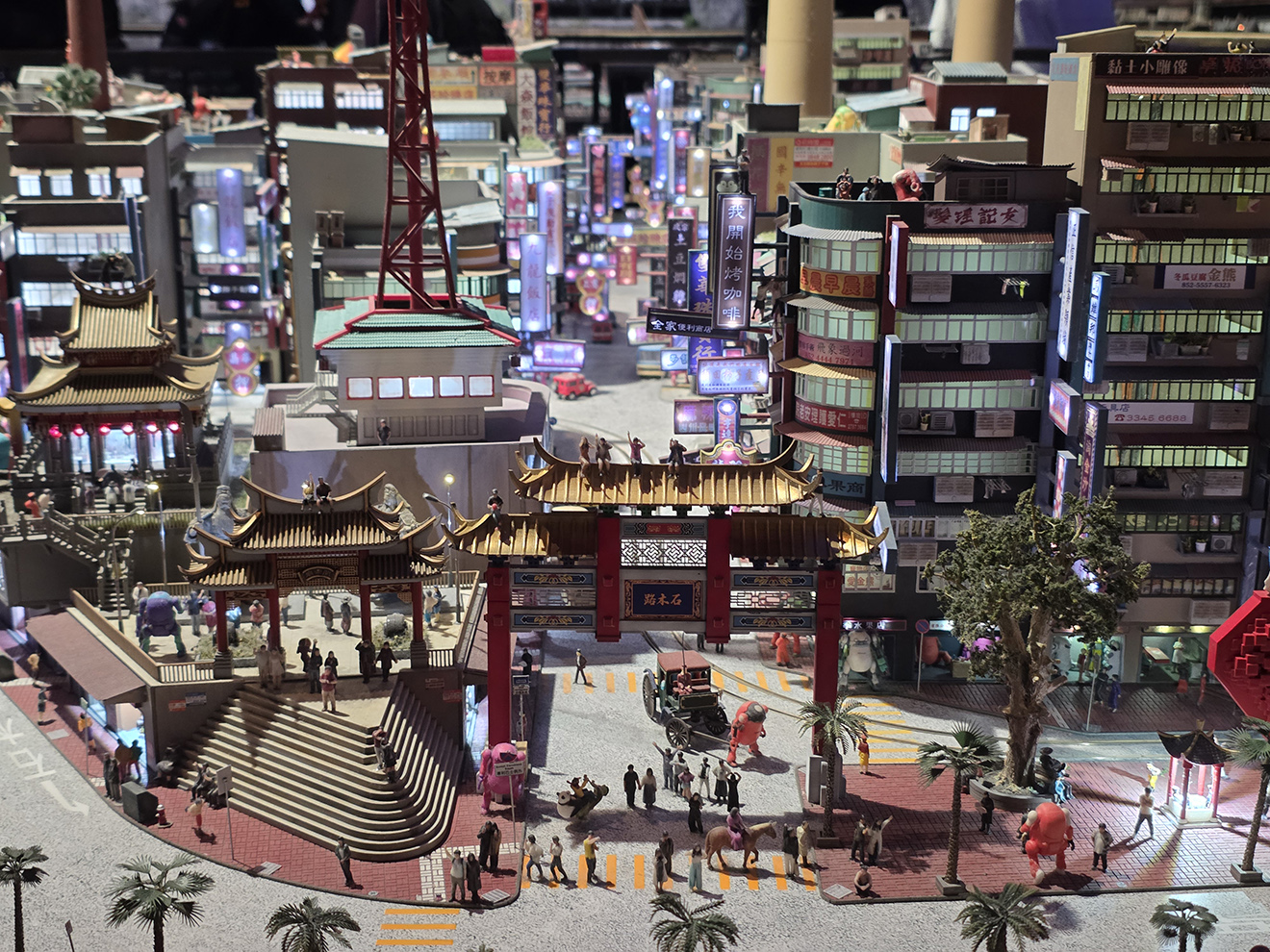
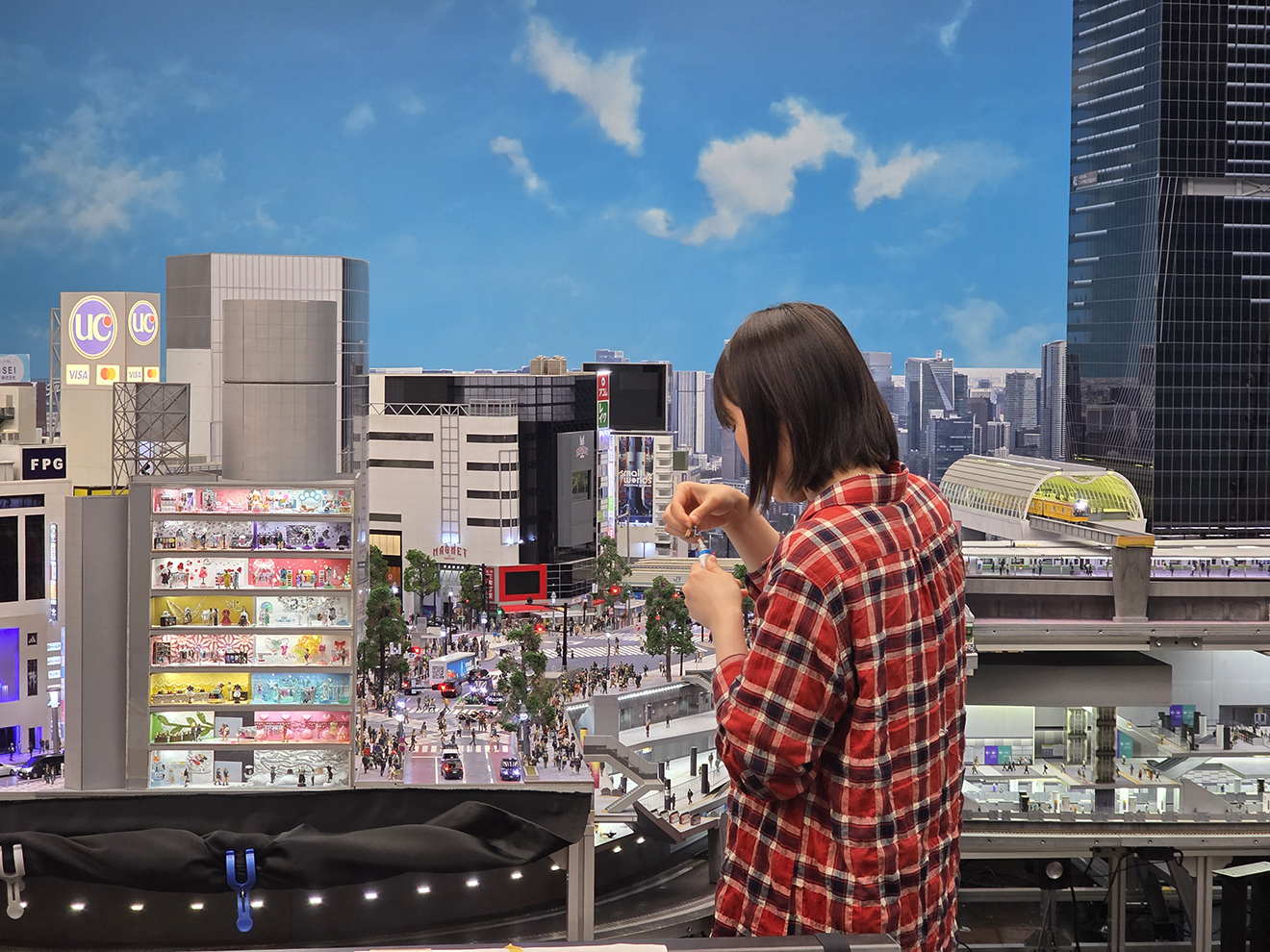
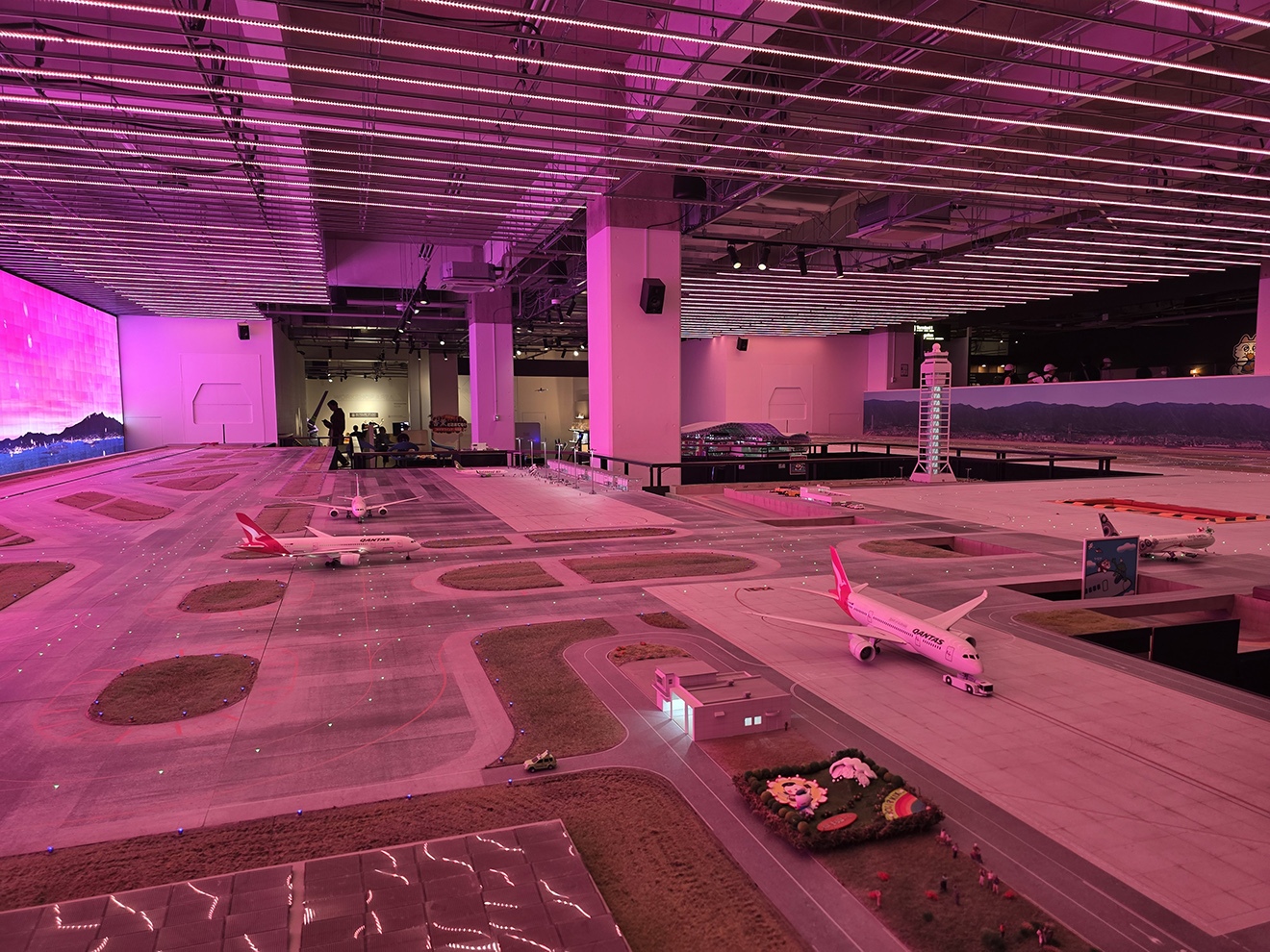
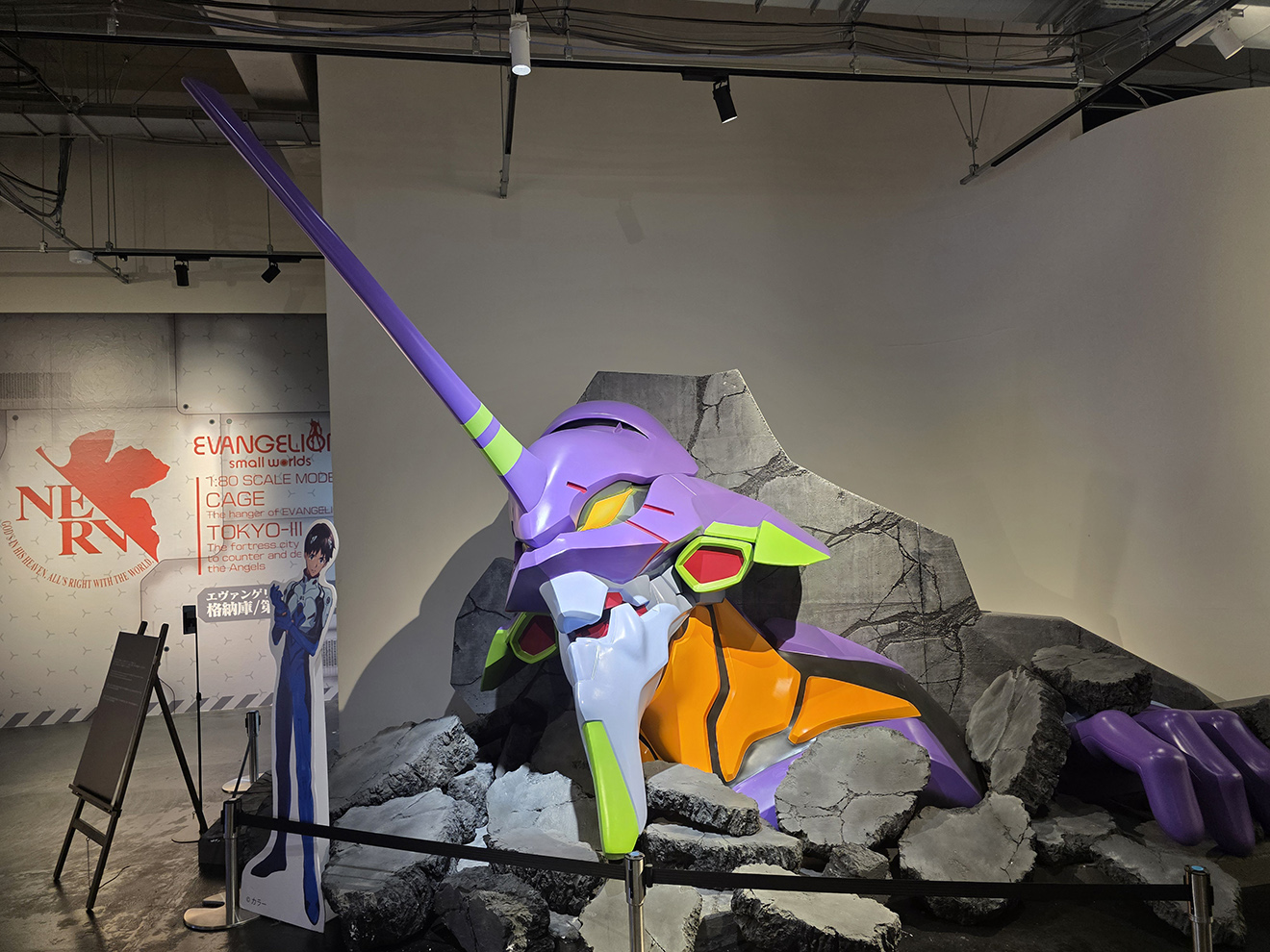
I stopped by Odaiba on the way back for lunch (monjayaki, which I really should get more often) then picked up my suitcase and headed to the airport a little early to look around before my flight. The flight itself was a bit bumpy most of the way, but it could have been worse and I made it home without any problems. Once again,, it was a successful tour and I look forward to further tweaking and adjusting it in future years as we further differentiate the Game Studio and Media tours. As for the me though, no time to rest as I've got another big trip coming up in less than a week.